
Listen to this article
Checking audio support
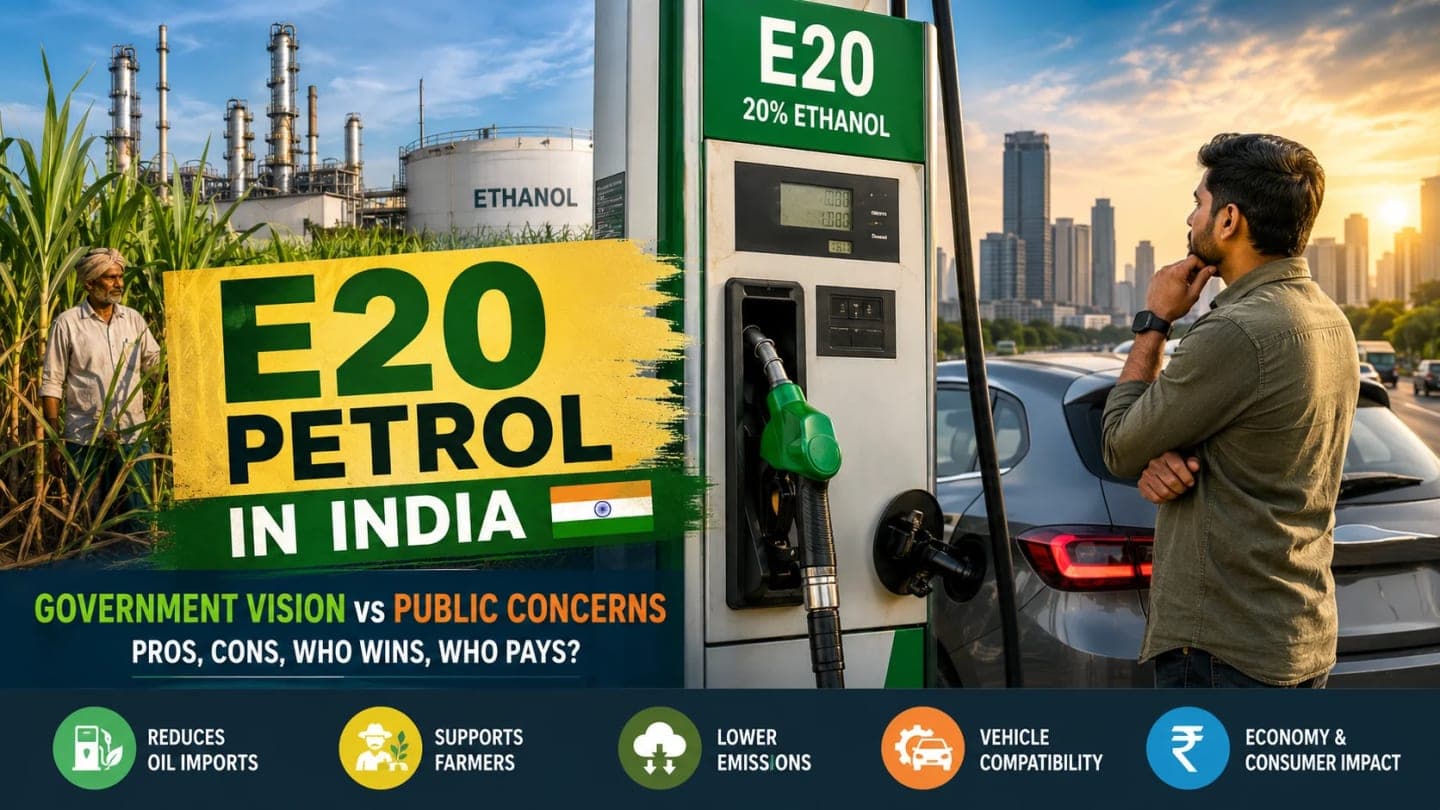
E20 Petrol in India: Government's Vision, Public Concerns and the Real Debate.
Over the past few years, E20 petrol has become one of the most debated topics in India's automobile industry. Supporters describe it as a step towards energy independence and cleaner transportation, while critics worry about vehicle compatibility, reduced mileage and additional maintenance costs.
The truth lies somewhere in between.
E20 petrol is neither a miracle fuel that solves every problem nor a disastrous experiment that guarantees vehicle damage. Like most major policy decisions, it creates winners and losers, offering benefits to some groups while imposing costs or challenges on others.
This article looks at the debate from both sides—what the Government of India hopes to achieve, what concerns many vehicle owners have raised, and who ultimately stands to gain or lose from the transition.

Why Is the Government Promoting E20?
The Government of India presents E20 as part of a broader energy and economic strategy rather than simply a change in fuel composition.
According to the Ministry of Petroleum and Natural Gas, the main objectives include:
Reducing dependence on imported crude oil.
Improving India's energy security.
Saving foreign exchange spent on oil imports.
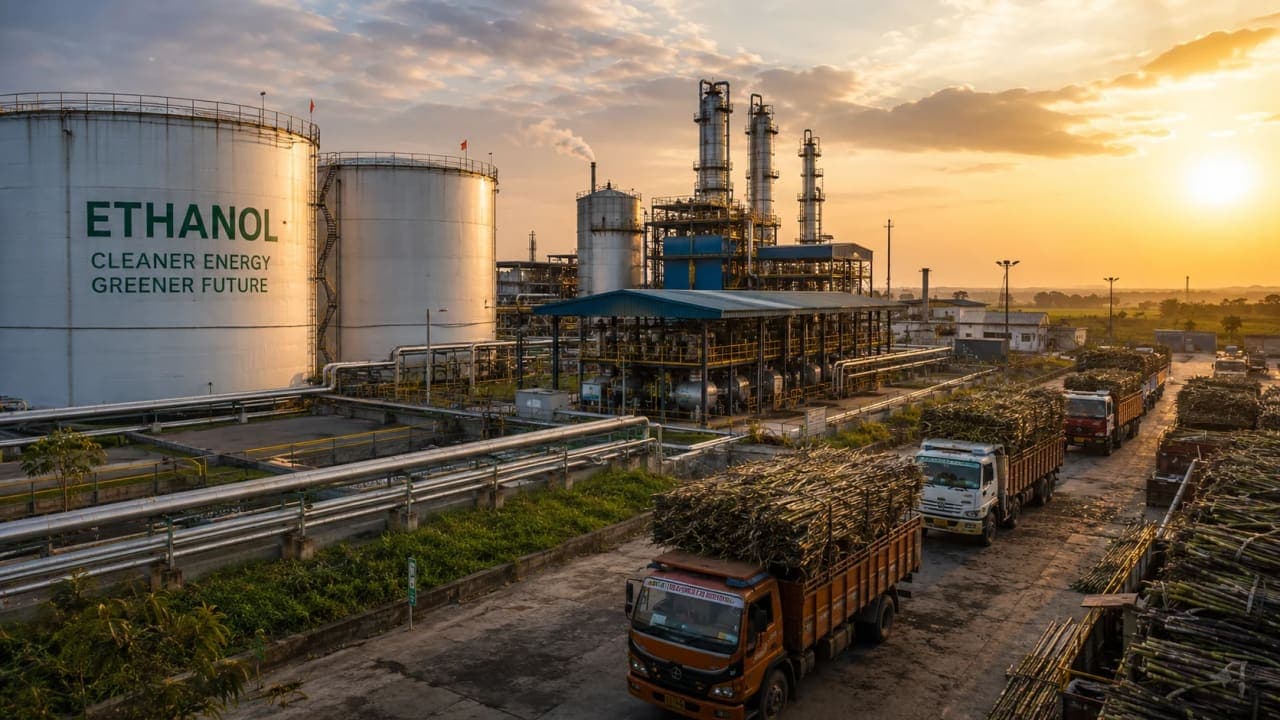
Supporting sugarcane, maize and grain farmers by creating additional demand.
Expanding the domestic biofuel industry.
Increasing the use of renewable transport fuels.
Government data states that ethanol blending has increased from less than 1.5% in 2013–14 to about 20% in 2025–26, alongside significant growth in domestic ethanol production capacity.
The government also argues that ethanol is not a new or experimental fuel. Countries such as Brazil and the United States have used ethanol blends for decades, and India's own blending programme began in 2001.
What Is the Public Concern?
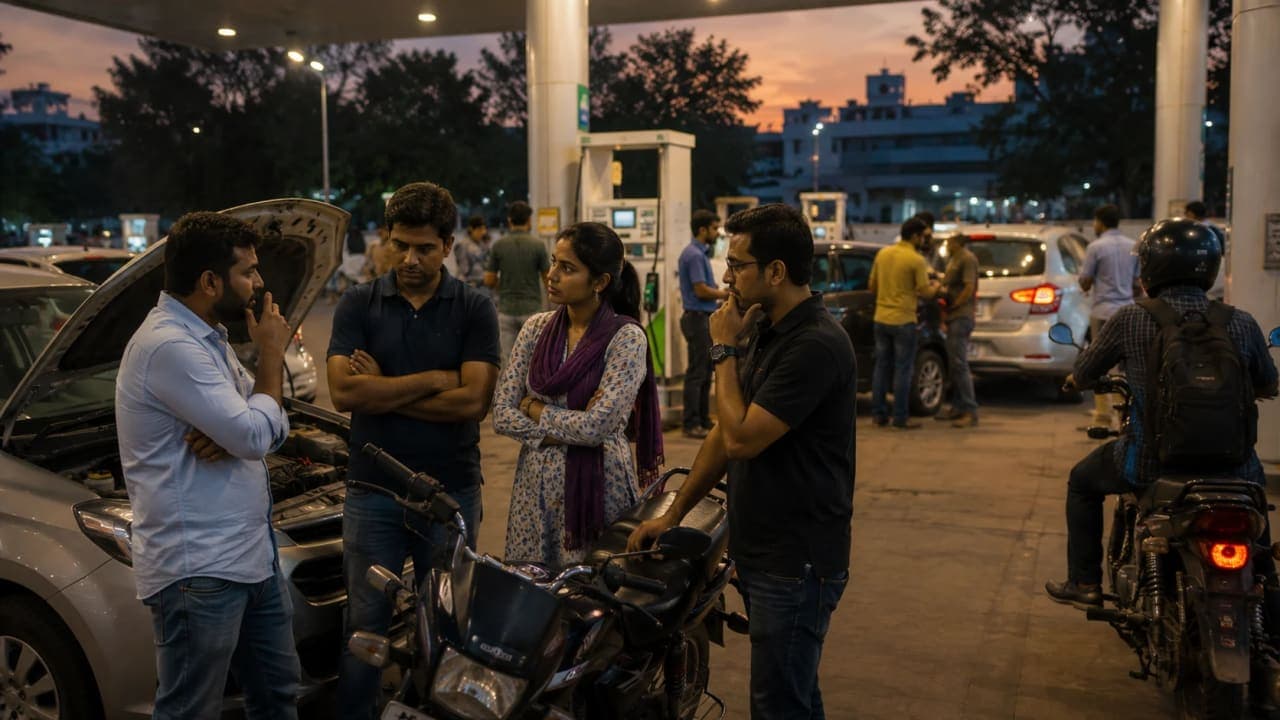
Despite these objectives, many motorists remain unconvinced.
Social media, automotive forums and consumer groups have highlighted several recurring concerns.
Lower Mileage
The most common complaint is fuel economy.
Because ethanol contains less energy per litre than petrol, some drivers report lower mileage after switching to E20. The extent of the reduction varies depending on the vehicle and driving conditions, but this issue has become the centre of the public debate. Even supporters of ethanol generally acknowledge that ethanol has a lower energy content than petrol.
Vehicle Compatibility
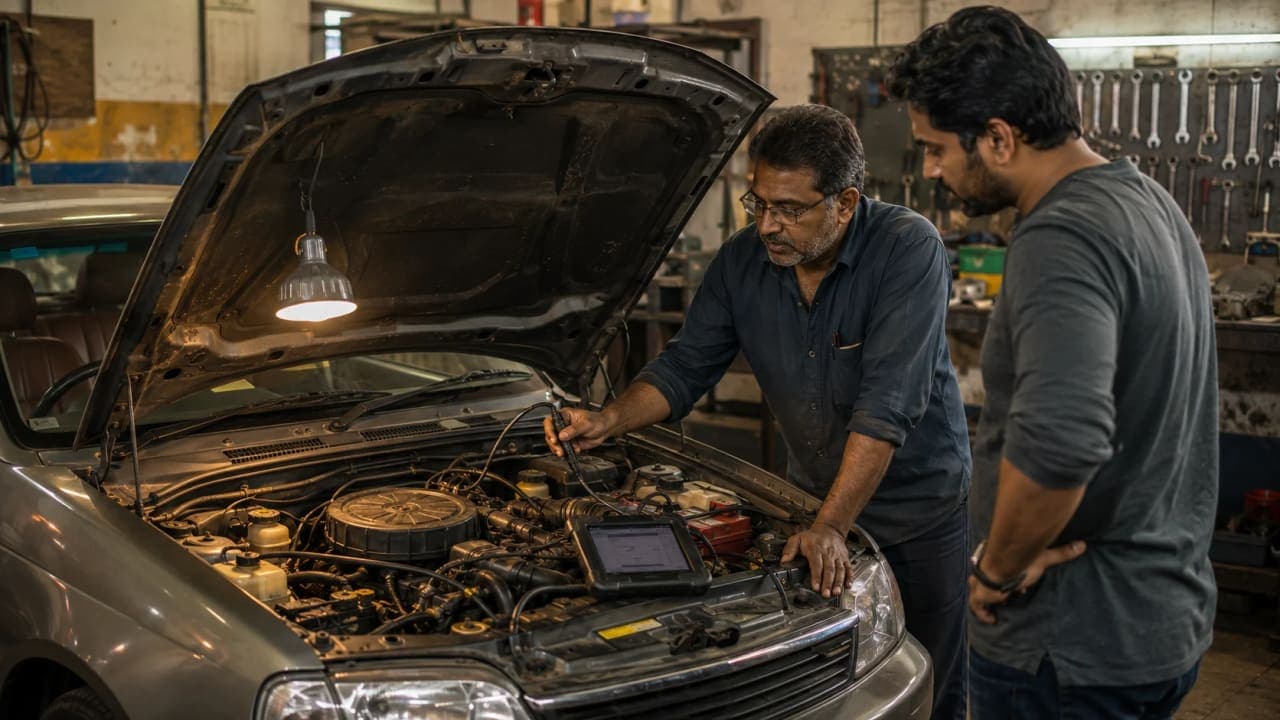
Another major concern is whether older cars and motorcycles are fully compatible with E20.
While manufacturers have introduced E20-compatible models in recent years, owners of older vehicles often worry about long-term effects on fuel systems, engine components and maintenance costs.
Manufacturers generally advise owners to follow the fuel recommendations provided for their specific vehicle model.
Lack of Consumer Choice
Many people also argue that they should have the option of choosing between conventional petrol and E20 rather than being limited to a single blend.
This argument has become increasingly prominent in public discussions and political debates.
How is it so far?
Vote with other readers
Government's Response to These Concerns
The government maintains that the ethanol blending programme has been introduced in phases after years of planning and testing.
It has also stated that misleading claims circulating on social media have created unnecessary confusion. Government clarifications emphasise that ethanol has a long international history and that vehicle manufacturers have been preparing newer models for higher ethanol blends.
Automobile manufacturers have similarly stated that many modern BS VI petrol vehicles are designed to operate safely with E20, provided they are certified as compatible.
Who Gains from E20?
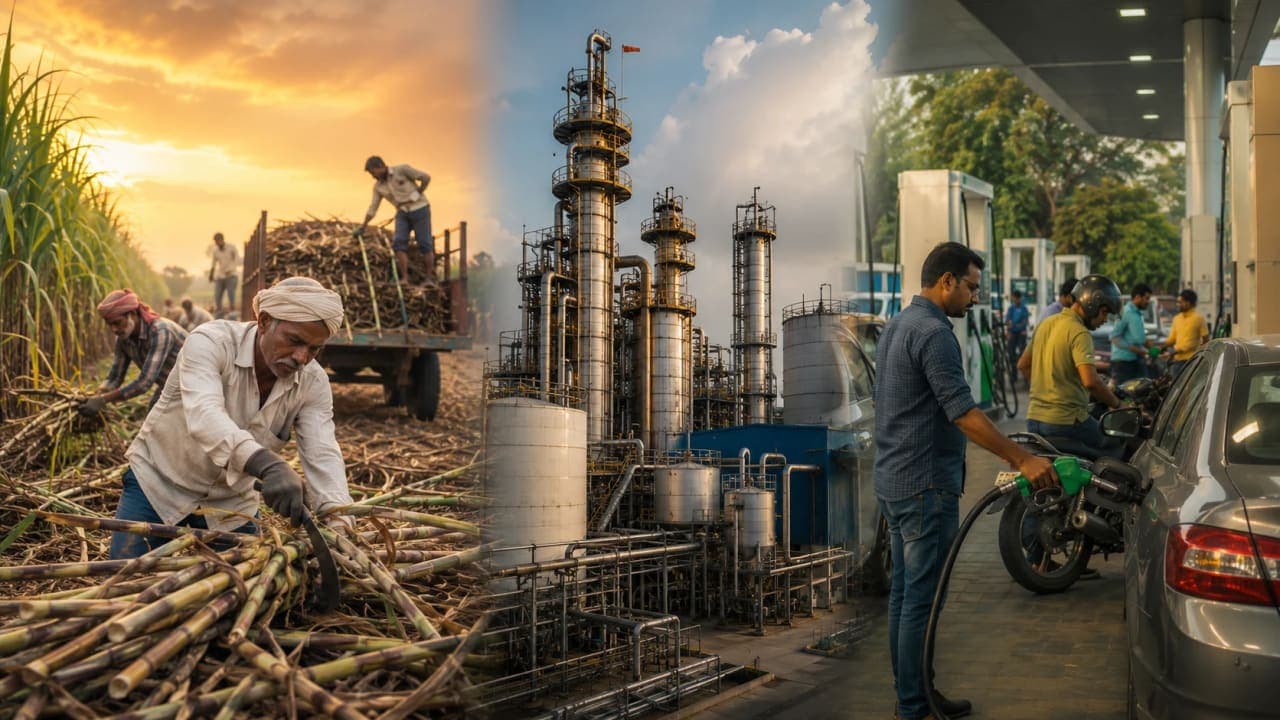
The benefits of E20 are spread across several sectors.
Farmers
Demand for sugarcane, maize and other approved feedstocks increases as ethanol production expands, potentially creating additional market opportunities for agricultural producers.
Sugar Mills and Ethanol Producers
Companies involved in ethanol manufacturing benefit from increased procurement by oil marketing companies.
Oil Marketing Companies
Domestic ethanol blending reduces the amount of petrol required, helping diversify fuel supply.
Government
Reduced crude oil imports can lower foreign exchange outflows and improve energy security over the long term. These outcomes are central to the government's stated objectives.
Who May Bear the Costs?
Like any major policy, E20 also has trade-offs.
Owners of Older Vehicles
If a vehicle is not designed or recommended for E20, owners may face uncertainty about compatibility and maintenance, making it important to follow manufacturer guidance.
Consumers Concerned About Fuel Economy
Drivers who experience reduced mileage may feel that they are visiting fuel stations more frequently, even if the fuel price remains similar.
Automobile Manufacturers
Manufacturers have had to redesign engines, update fuel systems and respond to consumer concerns. Recent legal disputes have also increased attention on vehicle compatibility and product liability.
Is Public Opinion Divided?
Yes.
Some motorists support ethanol blending because they believe reducing oil imports and encouraging renewable fuels benefits the country in the long run.
Others remain sceptical, arguing that the transition has moved faster than consumer confidence.
Recent surveys have found substantial public concern about mileage, vehicle compatibility and the lack of fuel choice, although opinions differ across respondents.
Advantages of E20 Petrol
Reduces dependence on imported crude oil.
Supports domestic biofuel production.
Creates additional demand for agricultural feedstocks.
Strengthens energy security.
Encourages investment in renewable fuel infrastructure.
Can contribute to lower lifecycle greenhouse gas emissions when sustainably produced.
Disadvantages of E20 Petrol
Ethanol contains less energy per litre than petrol, which may affect fuel economy.
Older vehicles may require careful attention to manufacturer compatibility recommendations.
Consumer awareness about compatibility remains uneven.
The transition has generated public debate over costs, choice and implementation.
Conclusion
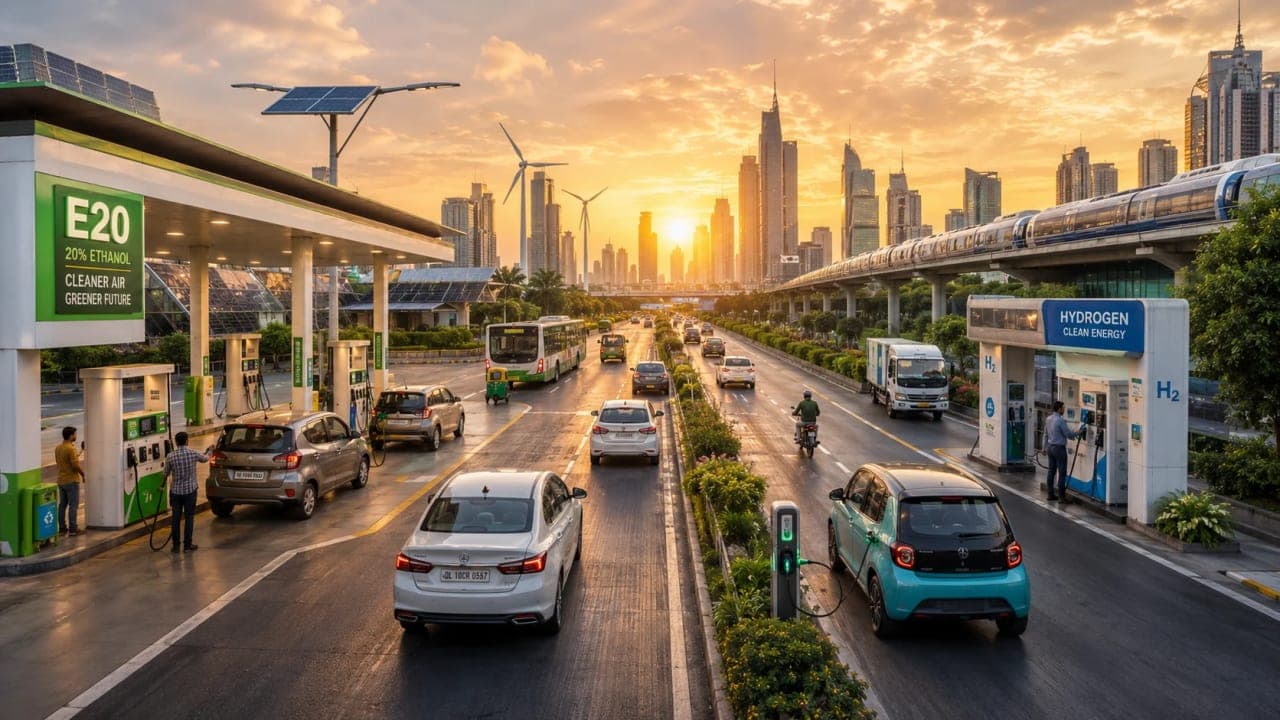
The debate around E20 petrol is not simply about fuel—it is about balancing national policy objectives with everyday consumer experience.
From the government's perspective, E20 is a strategic investment in India's energy future, aiming to reduce crude oil imports, support farmers and expand renewable fuel production.
From the perspective of many motorists, the questions are more immediate: Will my vehicle perform the same? Will my mileage decrease? Am I being given enough information and enough choice?
Both perspectives contain legitimate concerns.
As more E20-compatible vehicles enter the market and more long-term real-world data becomes available, the discussion is likely to shift from speculation to evidence. Until then, E20 will remain one of the most closely watched changes in India's transport and energy policy.
Lock in the takeaway
Frequently asked questions
What is E20 petrol?
E20 petrol is a fuel blend containing 20% ethanol and 80% petrol. It is part of India's Ethanol Blended Petrol (EBP) Programme aimed at increasing the use of renewable fuels.
Why is India promoting E20 petrol?
The Government of India says E20 can help reduce crude oil imports, improve energy security, support farmers, encourage biofuel production and promote cleaner transport fuels.
Why are some people against E20 petrol?
Many motorists have raised concerns about fuel efficiency, vehicle compatibility, maintenance costs and the limited choice of conventional petrol in some areas.
Can every car use E20 petrol?
No. Vehicle compatibility depends on the manufacturer's recommendations. Owners should always check their owner's manual or consult the manufacturer before regularly using E20 petrol.
Does E20 petrol reduce mileage?
Ethanol contains less energy than petrol, so some vehicles may experience a small reduction in fuel economy. The actual impact varies depending on the vehicle and driving conditions.
Who benefits the most from E20 petrol?
Potential beneficiaries include farmers, ethanol producers, sugar mills, oil marketing companies and the government through reduced dependence on imported crude oil.
Who may face challenges with E20 petrol?
Owners of older petrol vehicles and consumers concerned about mileage or compatibility may experience the greatest uncertainty during the transition.