
Listen to this article
Checking audio support
While travelling across India, I slowly noticed something that refused to leave my mind.
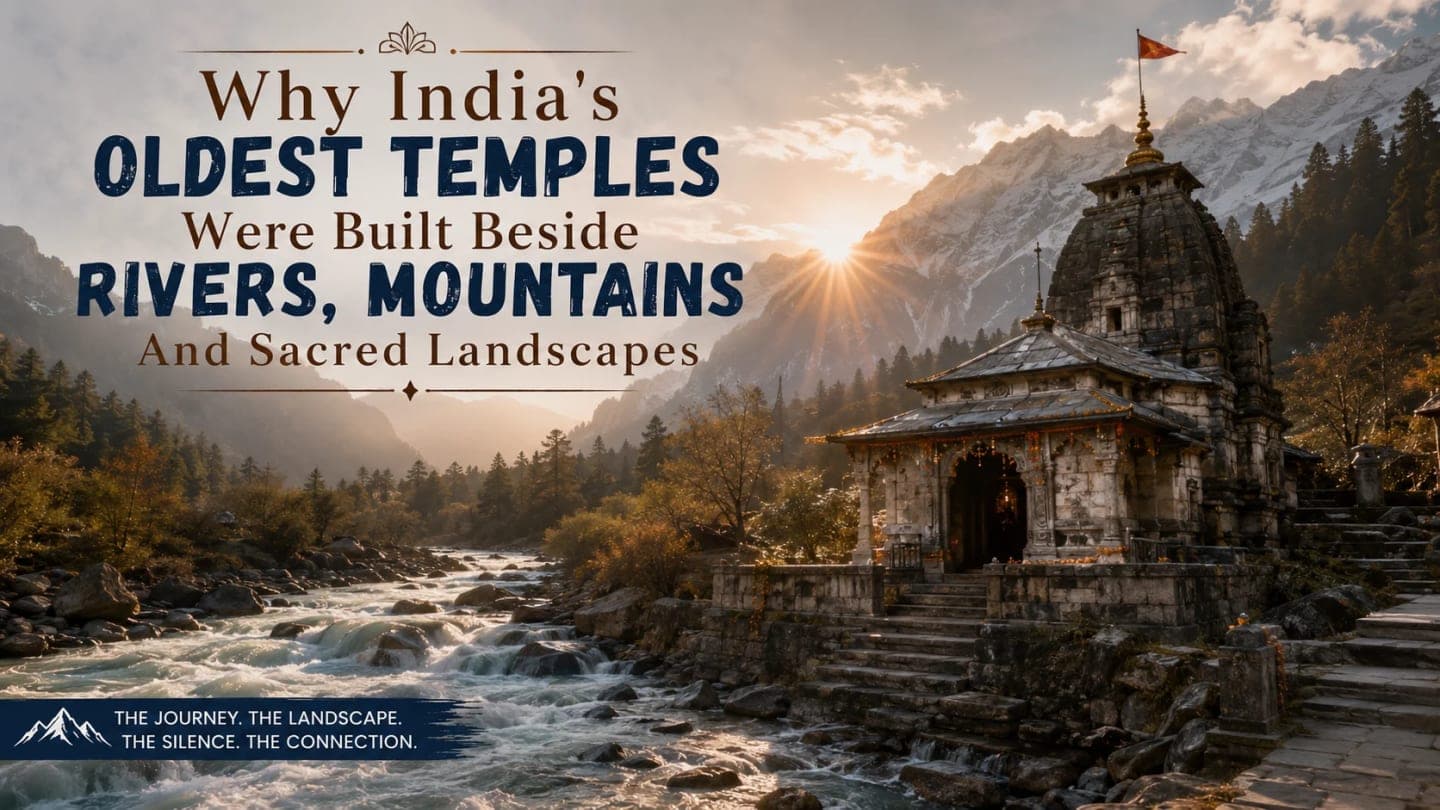
Many of the oldest and most powerful temples were not built in the easiest places.
They were not always in the centre of busy markets or comfortable cities. Again and again, they appeared beside rivers, waterfalls, forests, caves, cliffs and mountains.
At first, it felt like coincidence.
The more I travelled, the less it looked like one.
Why did our ancestors repeatedly choose places that required walking, climbing, crossing water, or leaving ordinary life behind for a while?
The answer is not only mythology. It is also geography, architecture, psychology, history and something more difficult to explain: the feeling of standing where nature itself already feels sacred.
Nature Was Never Separate From Spirituality
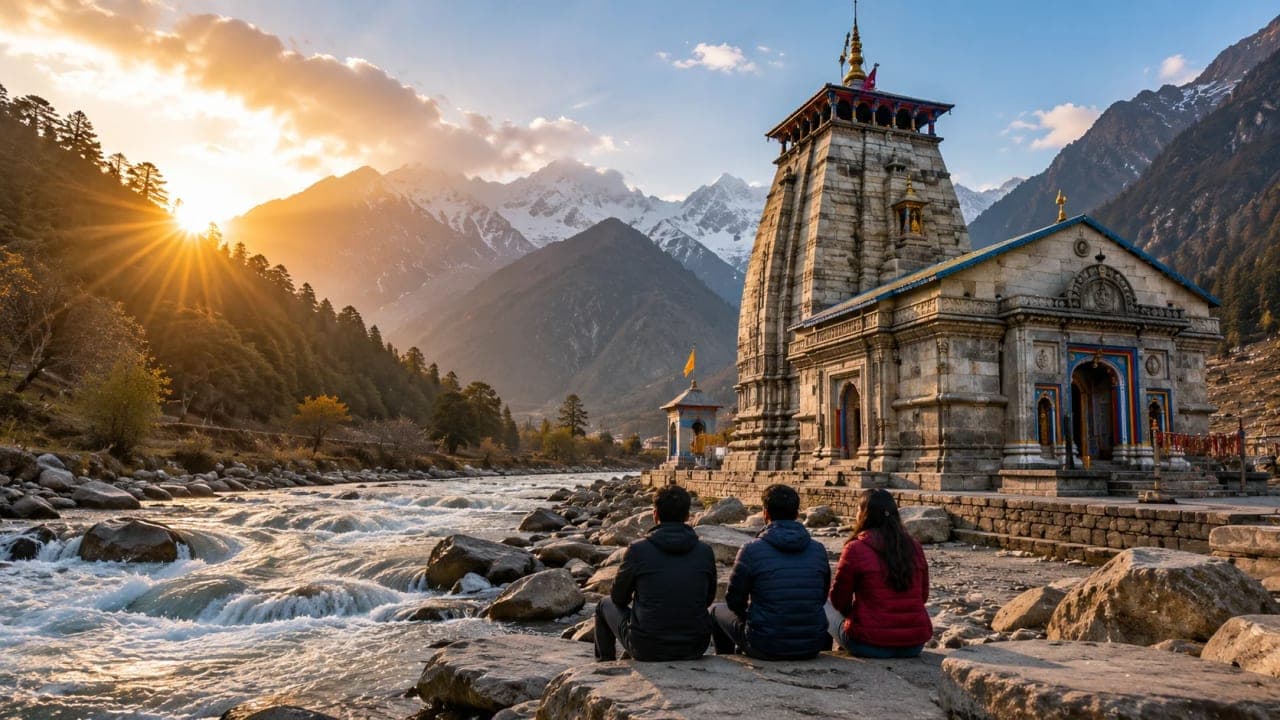
In many ancient Indian traditions, nature was not treated as a background decoration. Rivers, mountains, forests and caves were seen as living, meaningful spaces.
A river was not just water. It was life, movement, cleansing and continuity.
A mountain was not just stone. It was height, silence and distance from everyday distraction.
A forest was not empty land. It was a place of retreat, learning and tapasya.
This does not mean every belief can be proven historically. Some meanings come from tradition, some from scriptures, some from local memory. But the larger pattern is clear: sacred spaces were often chosen where the natural world already created awe.
Mountains Encouraged Silence
Mountains naturally change human behaviour.
You speak softer. You walk slower. You notice the wind, the cold, the height, the sound of your own breath.
That silence mattered.
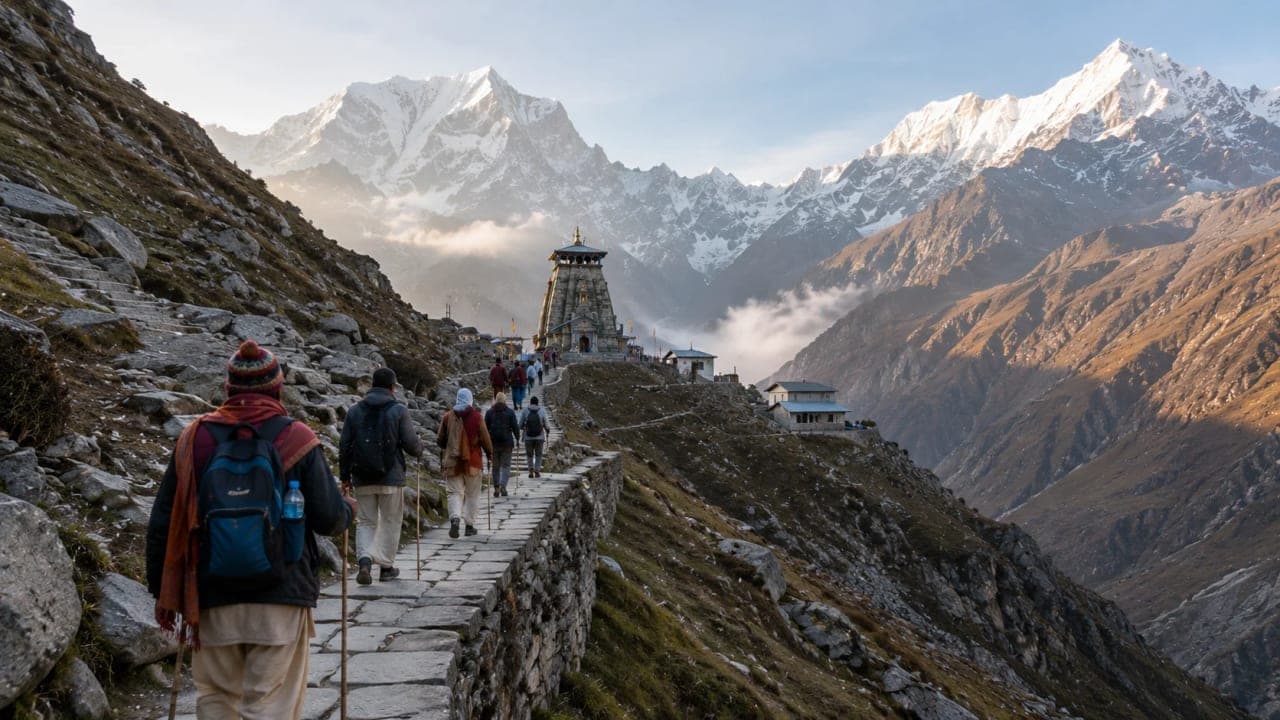
Ancient sages and spiritual seekers often preferred places away from crowds because isolation helped concentration. A mountain temple was not only a destination; it was a filter. Reaching it required effort, patience and intention.
This is why places like Kedarnath, Badrinath, Tungnath and Amarnath feel so different from temples inside cities. The journey prepares the mind before the prayer begins.
Why Rivers Became Sacred
Rivers offered the most practical reason first: life.
Ancient settlements grew near water because people needed it for drinking, farming, travel, rituals and daily living. Building temples near rivers naturally connected worship with community life.
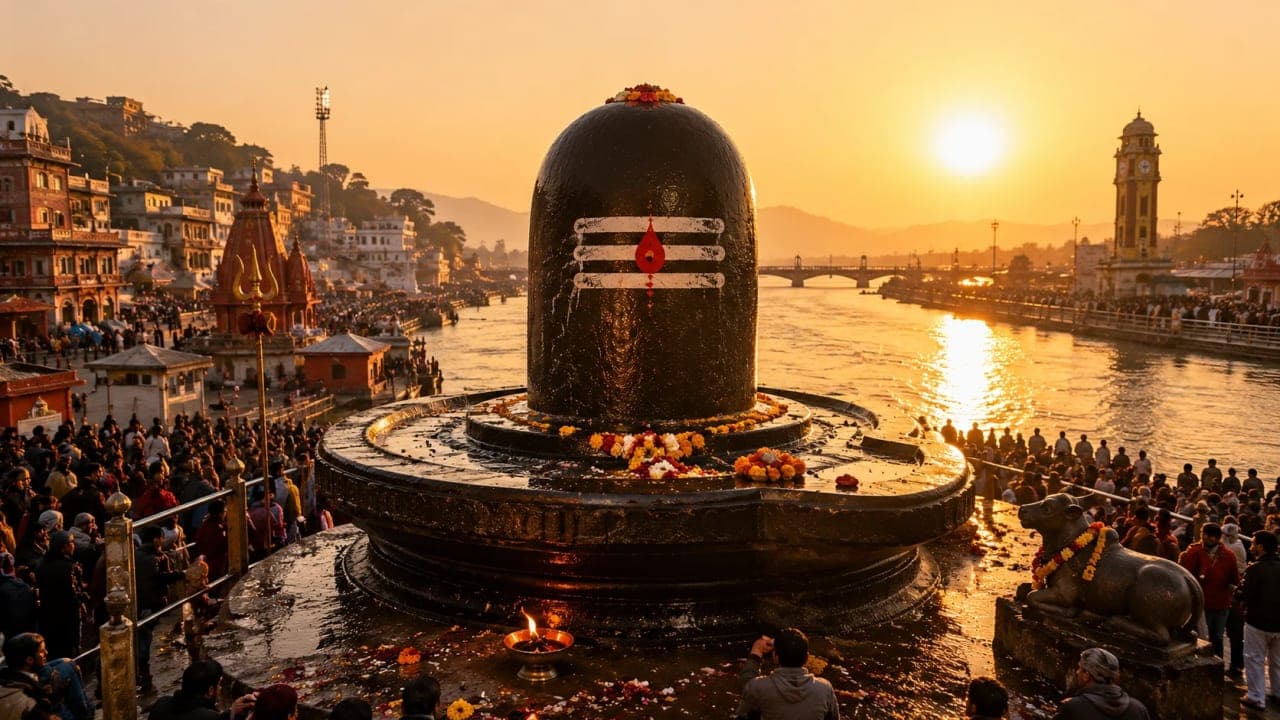
But rivers also carried spiritual meaning. Water cleanses. It flows. It renews. Ritual bathing, offerings, cremation rites, festivals and pilgrimages all grew around this idea of purification and movement.
Gangotri and Yamunotri are connected with the sacred origins of the Ganga and Yamuna traditions. Omkareshwar stands by the Narmada, where geography and devotion meet at the river. Rameswaram, surrounded by the sea, shows another version of the same relationship: water as boundary, purifier and witness.
Historically, water supported life. Spiritually, it gave life a deeper rhythm.
How is it so far?
Vote with other readers
Ancient Engineering Was Smarter Than We Think
It is easy to romanticize the past, but ancient builders were not just choosing pretty views.
Many temple sites show a careful reading of landscape. Builders considered water sources, sunlight, airflow, terrain, approach routes, stone availability and local climate.
A temple near a river could support rituals and pilgrims. A temple on a hill could remain visible from far away. A shrine inside a cave could feel naturally protected and meditative. A structure facing sunrise could turn morning light into part of the experience.
Architecture was not separate from geography. The land shaped the temple, and the temple shaped how people experienced the land.
What Anjani Mahadev Made Me Understand
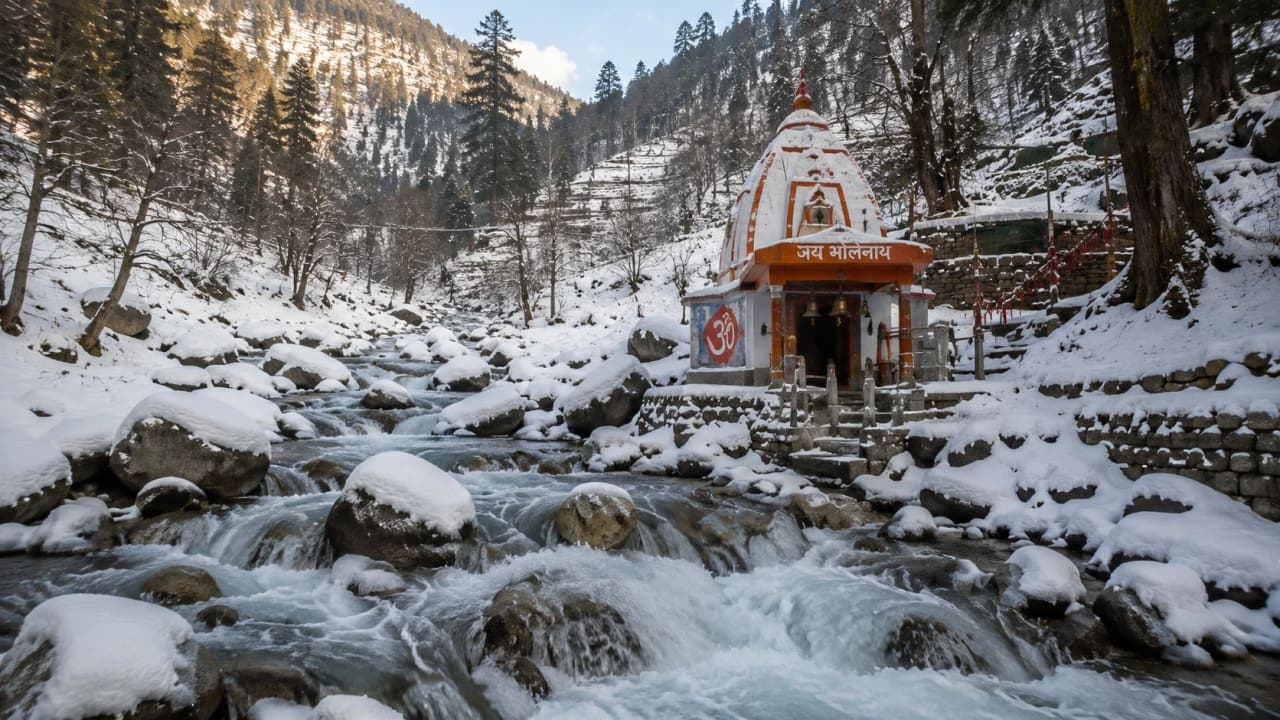
I understood this most clearly during our visit to Anjani Mahadev near Solang Valley in Himachal Pradesh.
We were trekking through snow, surrounded by mountains, flowing water and that strange quietness only the Himalayas can create. The place did not feel powerful because someone had decorated it heavily. It felt powerful because everything around it was already doing half the work.
The cold air made us alert. The water kept moving beside us. The mountains stood quietly in the background. Every step made the destination feel more earned.
Standing there, it became easier to understand why ancient temples were often placed in such landscapes.
Maybe the location was not chosen to impress people.
Maybe it was chosen because the place itself helped people become still.
Famous Temples That Follow This Pattern
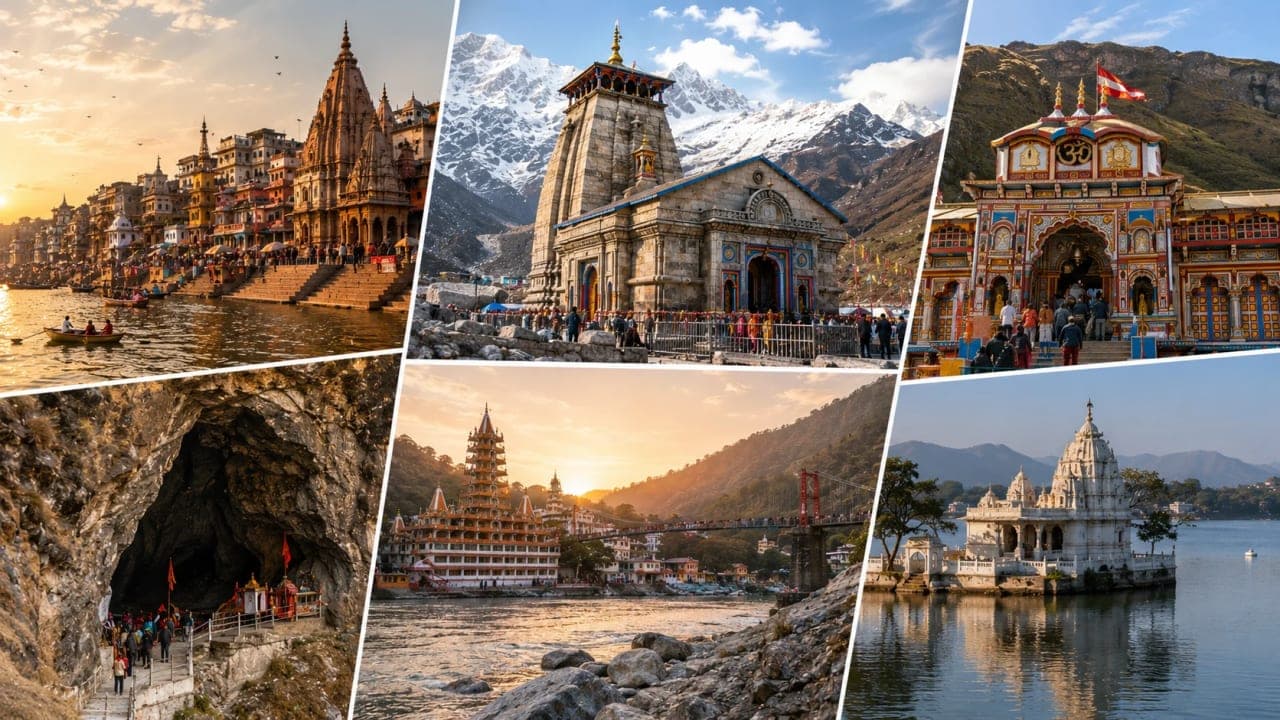
Across India, this relationship between temple and geography appears again and again.
Kedarnath sits high in the Himalayas, where the Mandakini valley makes devotion feel inseparable from endurance. Badrinath stands near the Alaknanda, surrounded by mountains that make the town feel like a spiritual pause between earth and sky.
Gangotri and Yamunotri are tied to river origins and sacred water traditions. Amarnath and Vaishno Devi are linked with caves and mountain routes, where reaching the shrine is itself part of the experience.
Omkareshwar is shaped by the Narmada landscape. Rameswaram carries the feeling of sea, island and pilgrimage. These places are very different, but they share one idea: the setting is not accidental.
Did Ancient Builders Understand Human Psychology?
Modern language may call it psychology. Our ancestors may have called it peace, tapasya or darshan.
Either way, nature affects how we feel.
A rushing river can calm the mind. A long climb can make a person more focused. A forest can reduce noise. A cave can create inwardness. A mountain can make ordinary worries feel smaller.
We do not need to exaggerate scientific claims to understand this. Anyone who has stood near a waterfall or watched sunrise from a hill knows that the body responds before the mind explains it.
Perhaps ancient builders understood this through lived experience.
They knew that a sacred place becomes more powerful when the journey, landscape and silence all prepare the devotee.
Maybe The Journey Was Always Part Of Worship
Today, we often want convenience. Parking nearby. Short queues. Quick darshan. Fast return.
But many old pilgrimages were designed differently.
You walked. You climbed. You crossed rivers. You waited. You adjusted to weather. By the time you reached the temple, you were no longer the same person who had started.
That effort changed the prayer.
Yeh wahi moment hota hai jab destination se zyada journey yaad reh jaati hai.
Maybe that was the point.
Maybe ancient temples near rivers and mountains were not meant to separate us from nature. Maybe they were meant to remind us that nature itself could become a place of prayer.
When I think back to Anjani Mahadev, I remember the flowing water first. Then the snow. Then the mountains. Then the quiet.
And standing there, it finally made sense.
Some temples were built in extraordinary places because those places already knew how to make human beings pause.
Lock in the takeaway
Spiritual Travel Stories


Frequently asked questions
Why were many ancient Indian temples built near rivers and mountains?
Many temples were placed near rivers and mountains because these landscapes offered water, silence, natural protection, pilgrimage routes, ritual meaning and a setting that already felt sacred.
Were ancient temple locations chosen only for religious reasons?
No. Faith mattered, but practical factors such as water access, terrain, sunlight, approach routes, stone availability, climate and community life also shaped temple locations.
What is sacred geography in Indian temple travel?
Sacred geography means the way mountains, rivers, forests, caves, towns and pilgrimage routes become connected with stories, worship, memory and travel over time.
Why are rivers important near temples?
Rivers supported settlements and rituals, but they also carried symbolic meaning around cleansing, renewal, offerings, pilgrimage and the rhythm of daily spiritual life.
Why are mountain temples associated with silence and meditation?
Mountain temples often require effort to reach. The climb, cold air, distance from crowds and natural quiet prepare the mind before worship begins.
Which Indian temples show this river and mountain pattern?
Kedarnath, Badrinath, Gangotri, Yamunotri, Amarnath, Vaishno Devi, Omkareshwar and Rameswaram all show how sacred places often work with rivers, mountains, caves or sea landscapes.
How did Anjani Mahadev help explain this idea?
The snowy walk, flowing water, mountain silence and natural setting around Anjani Mahadev made it easier to understand why many sacred places were built where nature already shaped the experience.