Listen to this article
Checking audio support
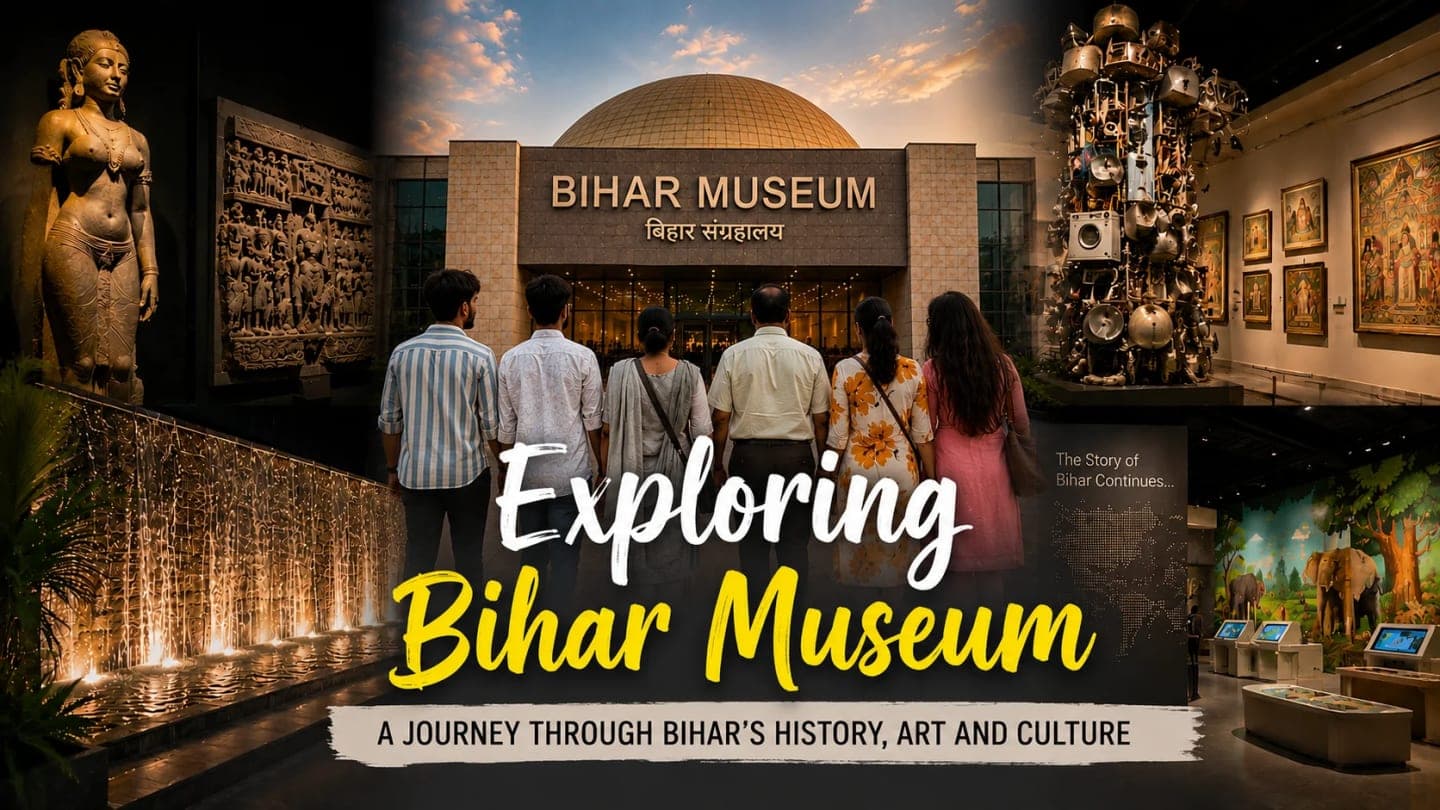
Exploring Bihar Museum: A Perfect Escape From Patna's Summer Heat
After spending a few days enjoying the comfort of being back in Patna, it was finally time to step out and explore.
There were plenty of places we could have visited, but there was one place that immediately came to my mind — Bihar Museum.
Not because it was new to me.
I had already visited it before.
But my husband had never been there.
And honestly, if someone visits Patna and wants to understand Bihar's history, culture, art, and heritage in one place, Bihar Museum is probably one of the best places to start.
There was another reason behind choosing it as our first outing.
The heat in Patna was absolutely unbearable during those days.
Stepping outside felt like walking straight into a hot oven. The temperature was soaring, the roads looked deserted during the afternoon, and everyone was searching for ways to escape the heat.
A museum sounded like the perfect solution.
Air-conditioned galleries.
Hours of exploration.
And a chance to show my husband one of the most impressive places in the city.
So the plan was finalized.
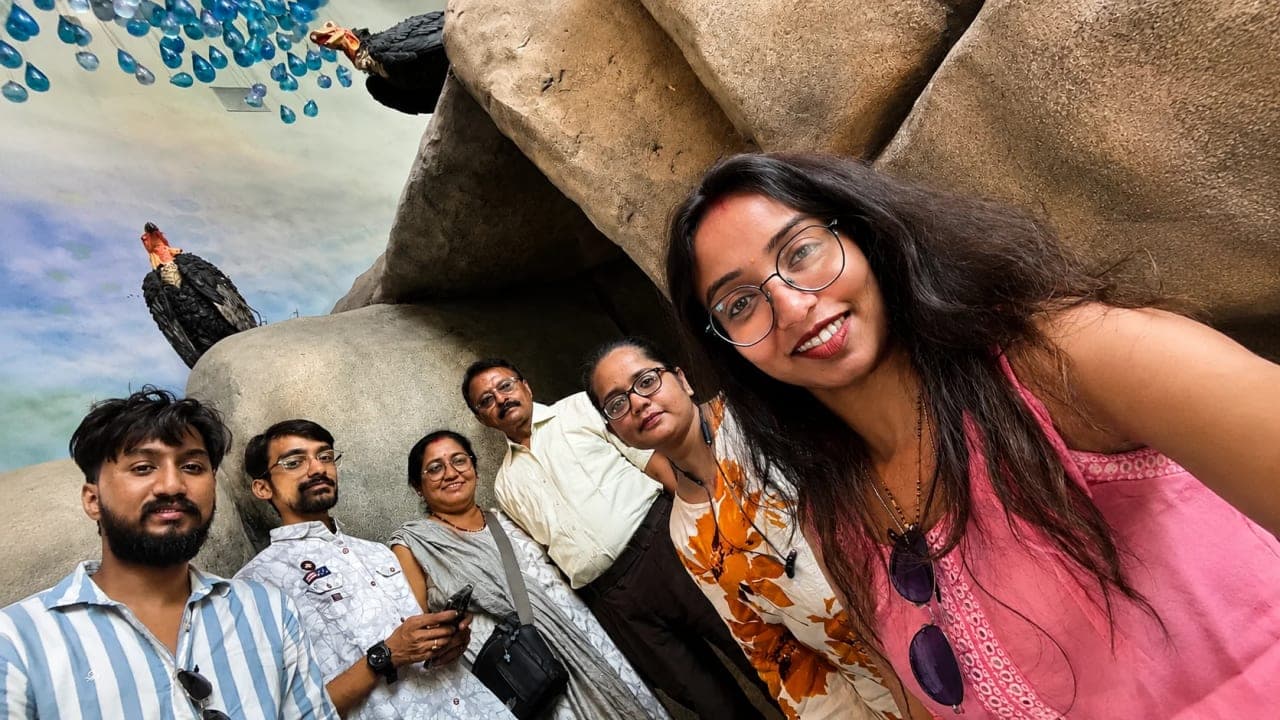
My mother, father, brother, husband, one of our friends, and I got into the car and headed towards Bihar Museum.
Little did we know that we would end up spending almost five hours there, walking through thousands of years of Bihar's history.
Reaching Bihar Museum
As we reached the museum, the first thing that caught our attention was how beautifully the place is designed.
Even before entering the galleries, the architecture itself feels modern and impressive.
The museum is spread across a large campus and follows a "museum in a garden" concept, designed by the renowned Japanese architectural firm Maki and Associates along with Mumbai-based OPOLIS Architects. The entire space blends open courtyards, greenery, and modern structures beautifully.
We parked our car and walked towards the ticket counter.
"Six tickets please."
Simple.
At least that is what we thought.
Then came the surprise.
The ticket counter did not accept UPI.
And honestly, that shocked all of us.
In today's world, especially at a place like Bihar Museum, we expected digital payments to be the easiest option.
The problem?
None of us had cash.
For a few seconds, we were genuinely confused.
Thankfully, parents are parents.
My mother and father were carrying cash.
And once again, their habit of carrying physical money saved the day.
Tickets collected.
Problem solved.
Museum adventure officially started.
The Water Wall
As we entered the museum premises, one of the first things we noticed was a beautiful flowing water installation.
Water gently flowed down a massive wall, creating a peaceful atmosphere.
Considering the temperature outside, even looking at the flowing water felt refreshing.
For a few minutes, we simply stood there appreciating the view.
It felt calm.
Quiet.
And completely different from the traffic and heat outside.
Orientation Gallery
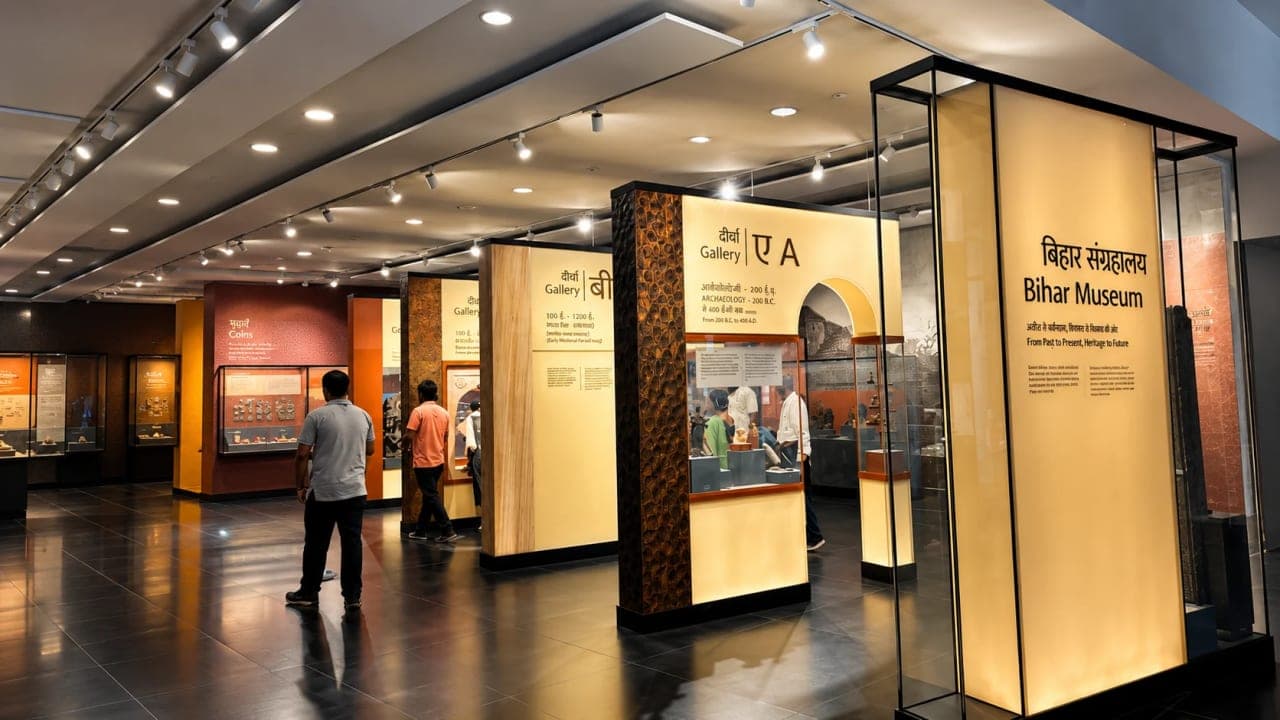
Our first stop inside was the Orientation Gallery.
This gallery gives visitors an overview of Bihar Museum and the incredible journey they are about to experience.
The gallery introduces the history, culture, archaeology, and heritage of Bihar through visual displays, maps, multimedia installations, and storytelling sections.
As we slowly moved through the gallery, we realized that this museum is not just a collection of old objects.
It is designed to tell the story of Bihar.
And that story spans thousands of years.
The Theatre Experience
At the end of the Orientation Gallery is a theatre.
We entered and sat down to watch the presentation.
The film talked about Bihar's journey through time.
Ancient kingdoms.
Buddhism.
Jainism.
Trade routes.
Universities.
Empires.
Art.
Culture.
Everything came together beautifully through visuals and storytelling.
Watching that film felt like getting a trailer before the actual movie.
And the actual movie was waiting inside the galleries.
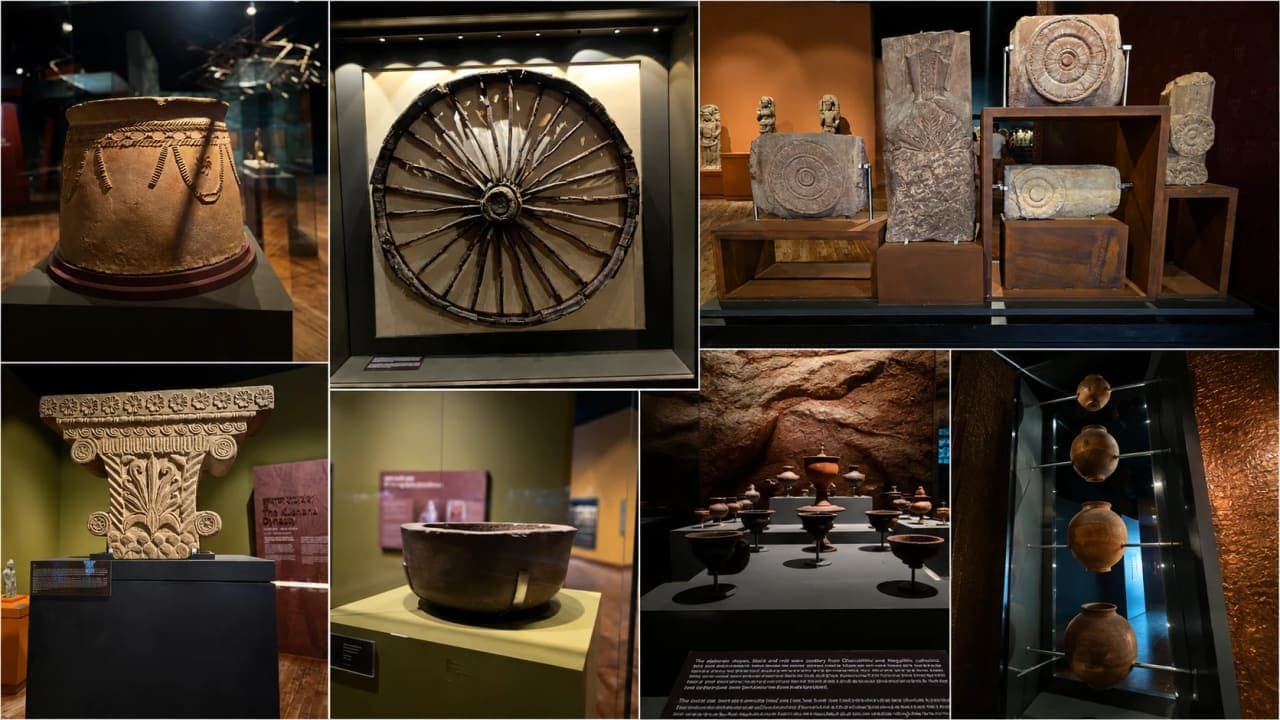
Gallery A — From Stone Tools To Empire (400000 BCE – 200 BCE)
This was probably one of the most fascinating sections of the museum.
Gallery A takes visitors through prehistory and protohistory with a special focus on Bihar and the Indian subcontinent.
The gallery begins with prehistoric stone tools.
Simple pieces of stone that early humans transformed into weapons, cutting tools, hunting instruments, and survival equipment.
Looking at those tools makes you realize how intelligent early humans actually were.
The gallery then gradually moves towards:
Indus Valley Civilization
Early settlements
The Second Urbanization
Rise of Buddhism
Rise of Jainism
Haryanka Dynasty
Shishunaga Dynasty
Nanda Empire
Mauryan Empire
One of the most impressive sections showcases the rise of Emperor Ashoka and the Mauryan Empire.
Stone railings, inscriptions, fragments of stupas, and representations of Ashokan pillars help explain how Buddhism spread across Asia.
How is it so far?
Vote with other readers
The gallery beautifully demonstrates how Magadh transformed from a regional kingdom into one of the most powerful empires in Indian history.
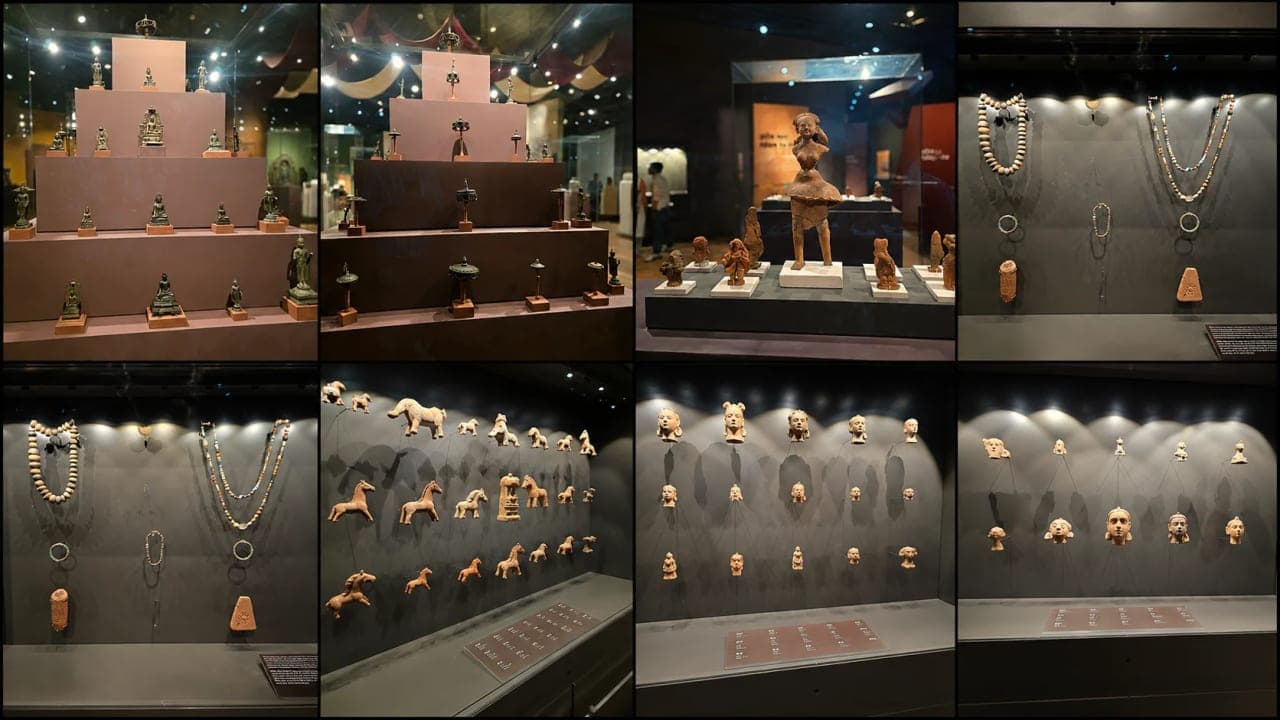
Gallery B — A Millennium Of Cultural Patronage (200 BCE – 1200 CE)
If Gallery A is about power and empire building, Gallery B feels like a celebration of art, religion, and culture.
This gallery covers:
Shunga Dynasty
Kushana Empire
Gupta Empire
Harshavardhana
Buddhist Mahaviharas
Pala Dynasty
One of the highlights here is the Kushana art collection.
The sculptures clearly show Gandhara influences where Greek artistic styles merged with Indian traditions.
The Buddha sculptures have detailed curls, facial structures, and drapery patterns that look remarkably different from later Indian styles.
The Gupta section was equally fascinating.
The Gupta period is often called the Golden Age of India, and the sculptures displayed here explain why.
The carvings feel elegant.
Balanced.
Refined.
Almost perfect.
The gallery also contains exhibits related to the famous Mundeshwari Temple and showcases beautiful sculptures associated with the Gupta period.
One section that especially stood out was the Pala Dynasty collection.
The bronze sculptures discovered at Kurkihar demonstrate extraordinary craftsmanship.
The detailing on these bronze Buddhas is unbelievable considering they were created nearly a thousand years ago.
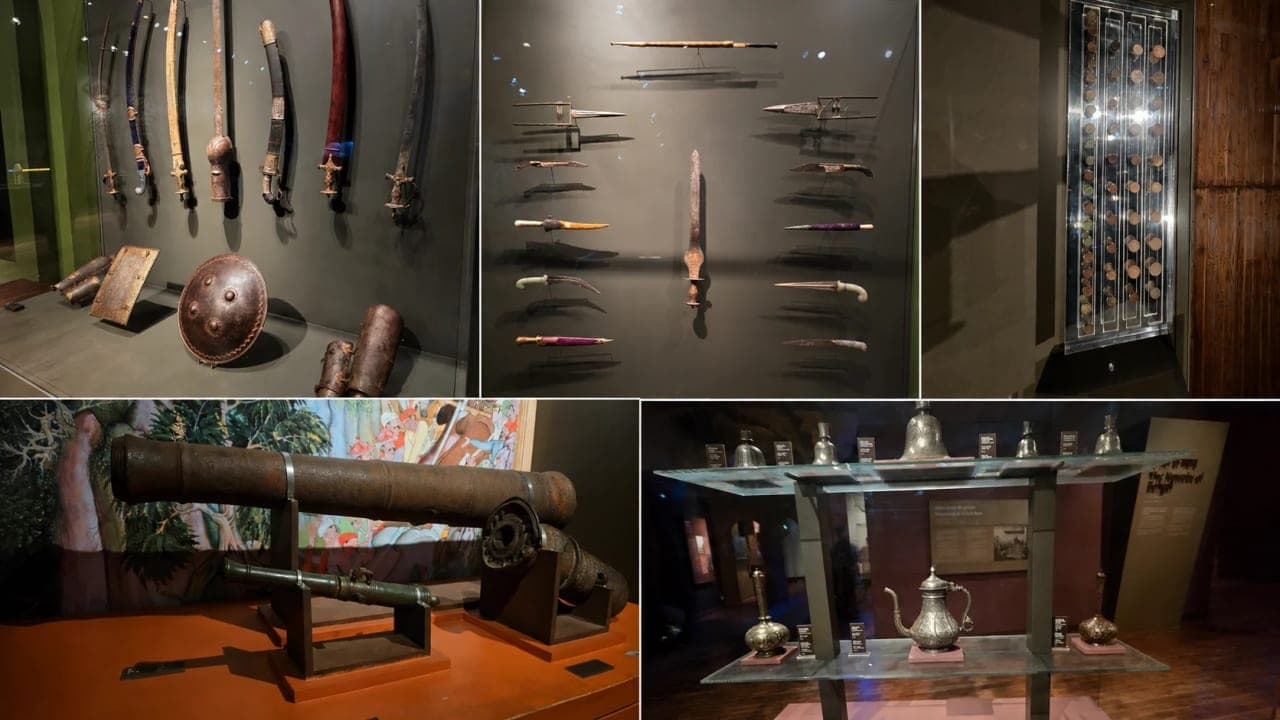
Gallery C — Shifting Boundaries And Identities (1200 CE – 1800 CE)
Gallery C takes visitors into medieval and early modern Bihar.
This section explores the changing political, cultural, and religious landscape after the decline of the Pala dynasty.
The gallery covers:
Delhi Sultanate influence
Bengal Sultanate
Mughal period
Nawabs of Bengal
Sikh history
Sufi traditions
There are remarkable collections of:
Coins
Manuscripts
Paintings
Ivory artefacts
Decorative objects
One of the most interesting exhibits was related to Sher Shah Suri.
His administration, currency reforms, and the development of the Grand Trunk Road had a huge impact on Indian history.
This gallery really shows how Bihar continued evolving even as kingdoms and rulers changed.
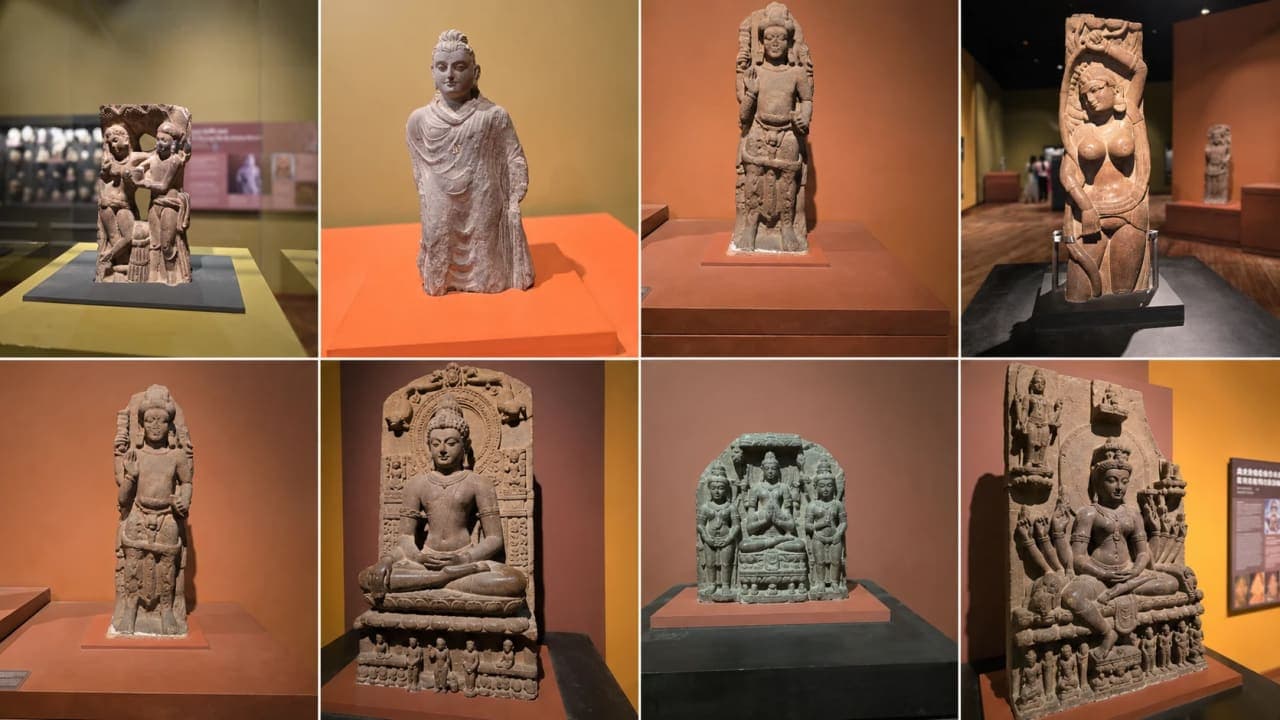
Gallery D — Historical Art Gallery
Gallery D felt different.
Less about timelines.
More about masterpieces.
The biggest attraction here is undoubtedly the world-famous Didarganj Yakshi.
This magnificent sandstone sculpture is considered one of the finest examples of ancient Indian craftsmanship. Its polished surface still shines even after centuries.
The gallery also includes:
Medieval miniature paintings
Hindu deity sculptures
Daniell prints
Historical artworks
Stone sculptures
Every piece feels like it belongs in a history textbook.
Except here, it is standing right in front of you.
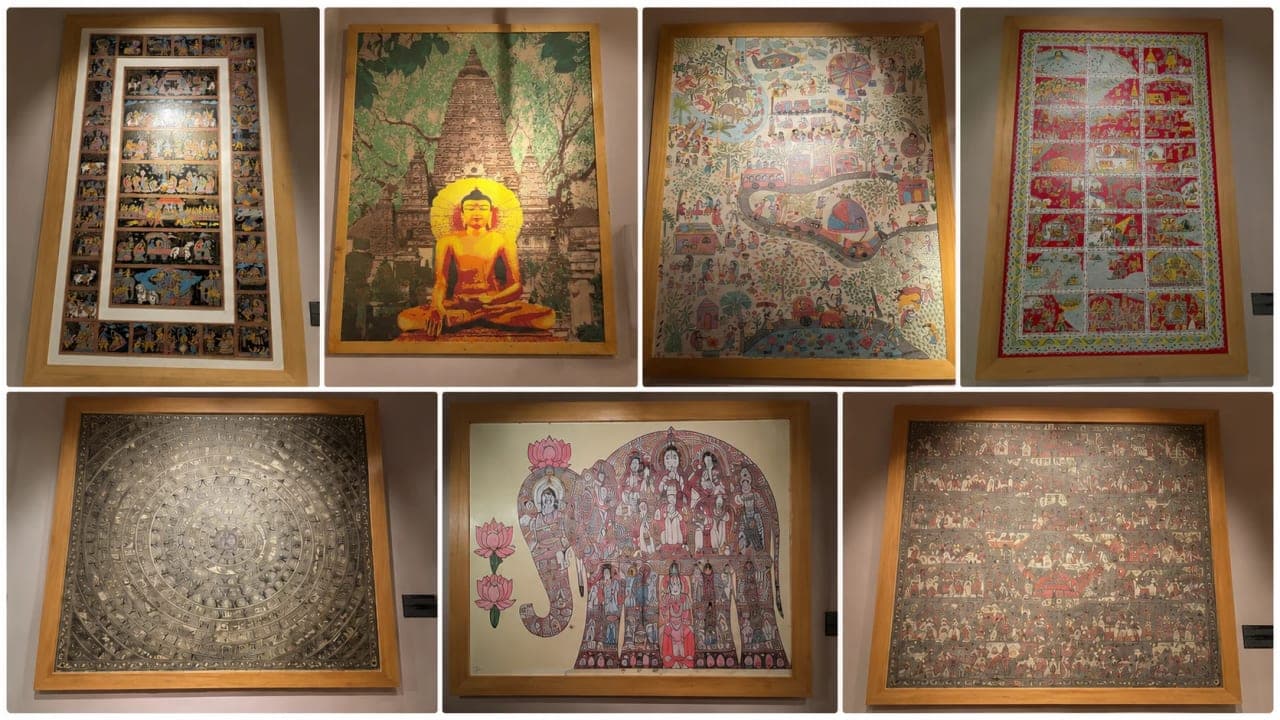
Regional Art Gallery
This gallery celebrates Bihar's folk traditions and local artistic heritage.
It showcases generations of artistic practices that have survived through communities and families.
You can find references to:
Madhubani Art
Folk traditions
Local crafts
Cultural practices
Decorative arts
The gallery feels colorful, vibrant, and deeply connected to Bihar's identity.
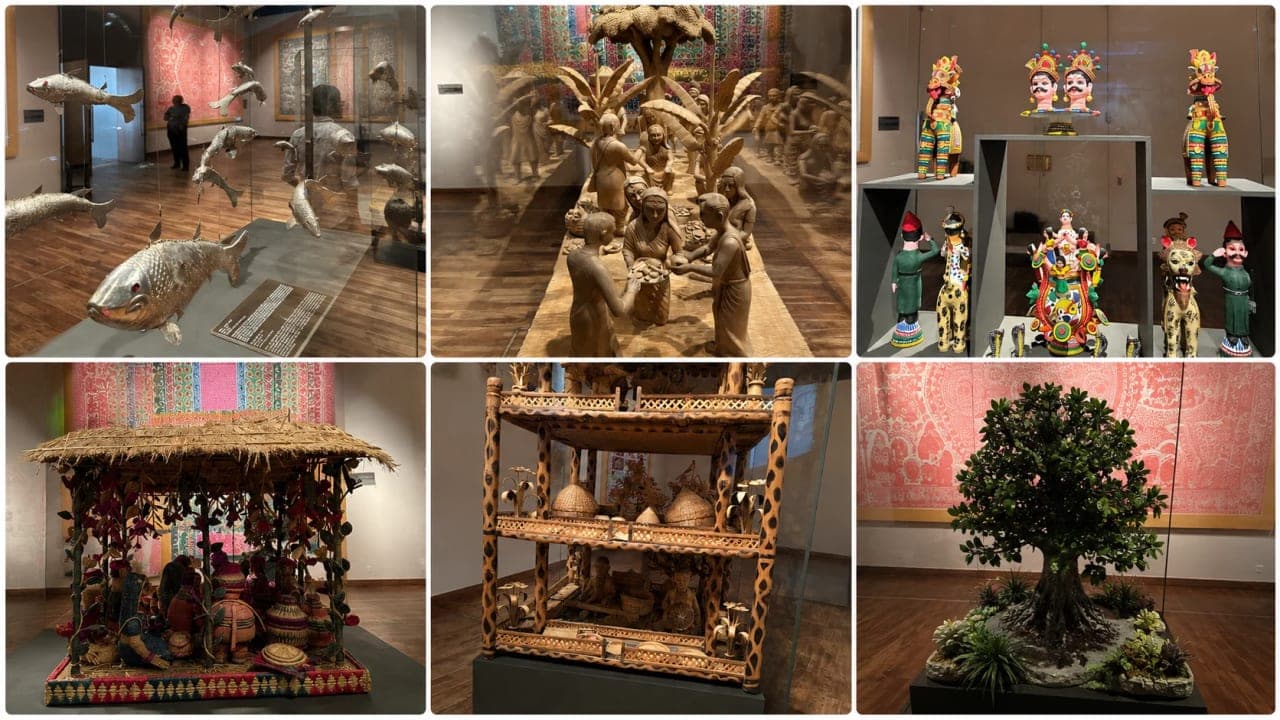
Contemporary Art Gallery
This gallery was completely different from everything else we had seen.
Instead of ancient kingdoms and historical sculptures, this section focuses on modern artistic expression.
The gallery features works by contemporary Indian artists and explores modern social, political, and cultural themes through paintings, installations, and sculptures.
It felt refreshing to see history and modern creativity existing under the same roof.
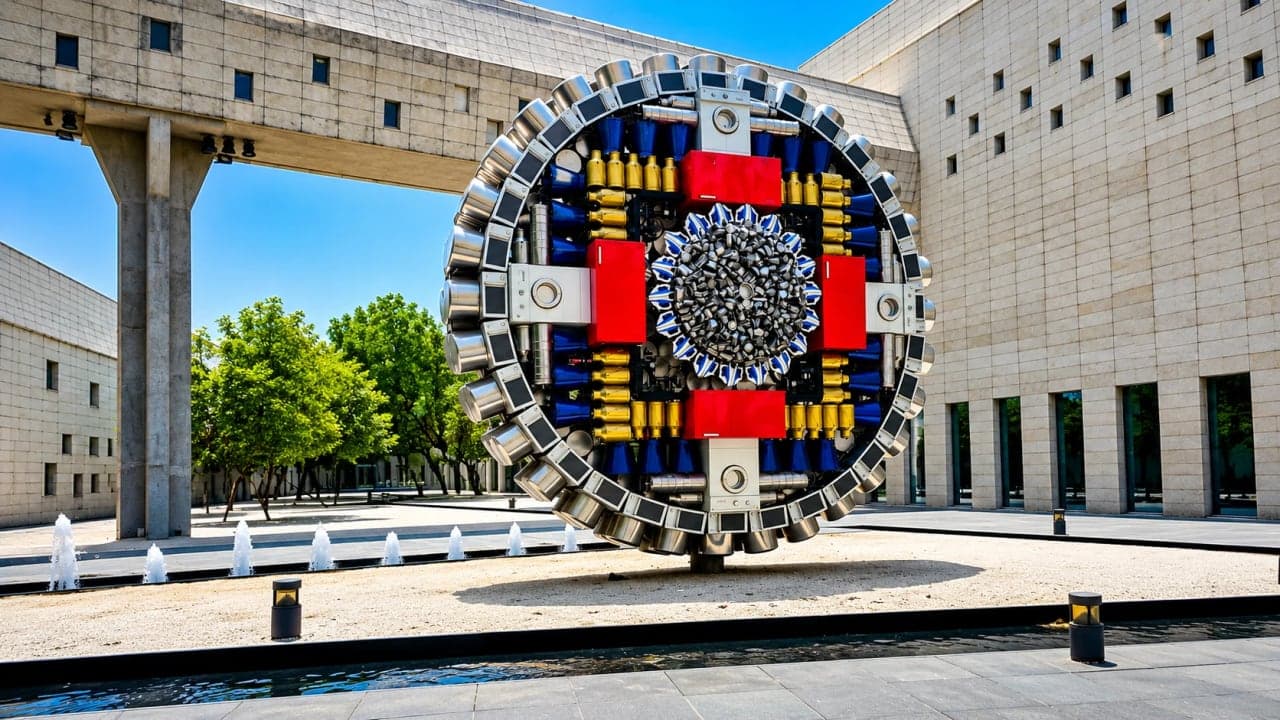
The Sculpture Made From Utensils And Machines
One of the most memorable things we saw was a giant sculpture created using discarded household and industrial objects.
Utensils.
Machine parts.
Washing machine components.
Metal scraps.
And many other everyday items.
The sculpture transforms ordinary objects into art.
Standing in front of it, we spent several minutes identifying different items hidden within the structure.
It was creative.
Unexpected.
And incredibly impressive.
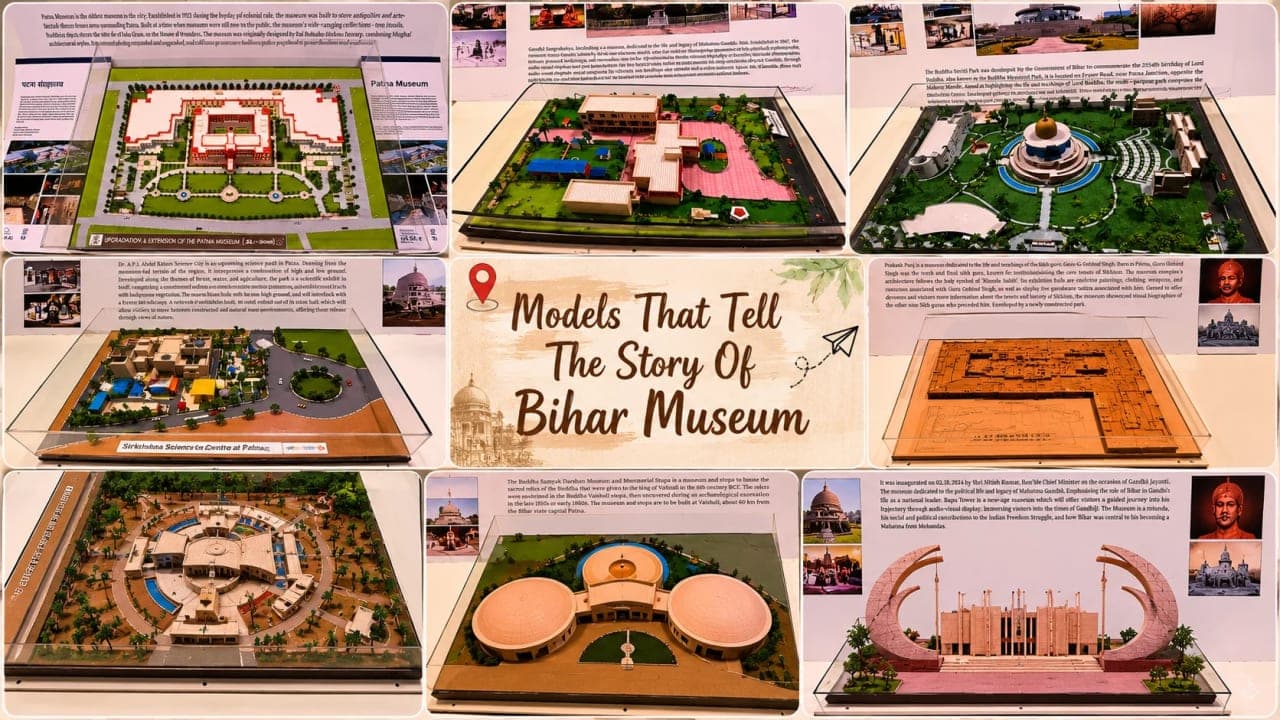
Diaspora Gallery
The Diaspora Gallery talks about the growing influence of people from Bihar across the world.
It highlights stories of migration, success, contribution, and identity.
This gallery reminds visitors that Bihar's story does not stop at its borders.
Its people have carried its culture, traditions, and values to different parts of the world.
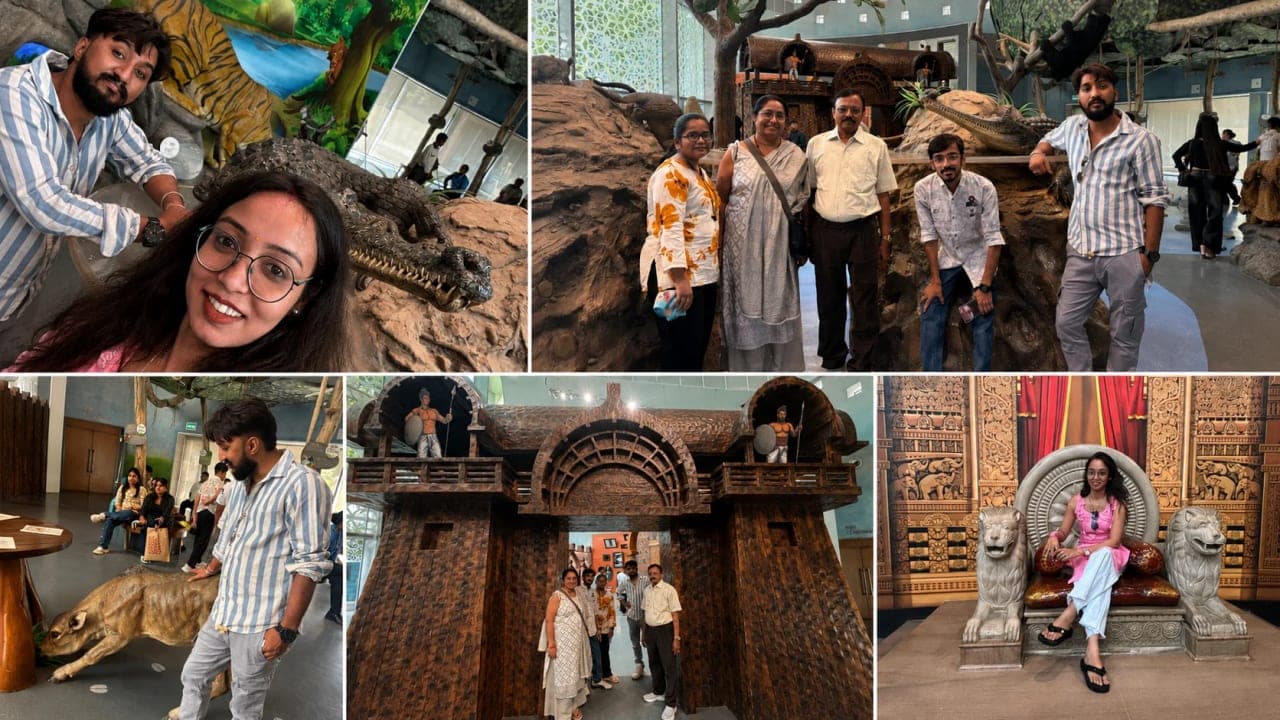
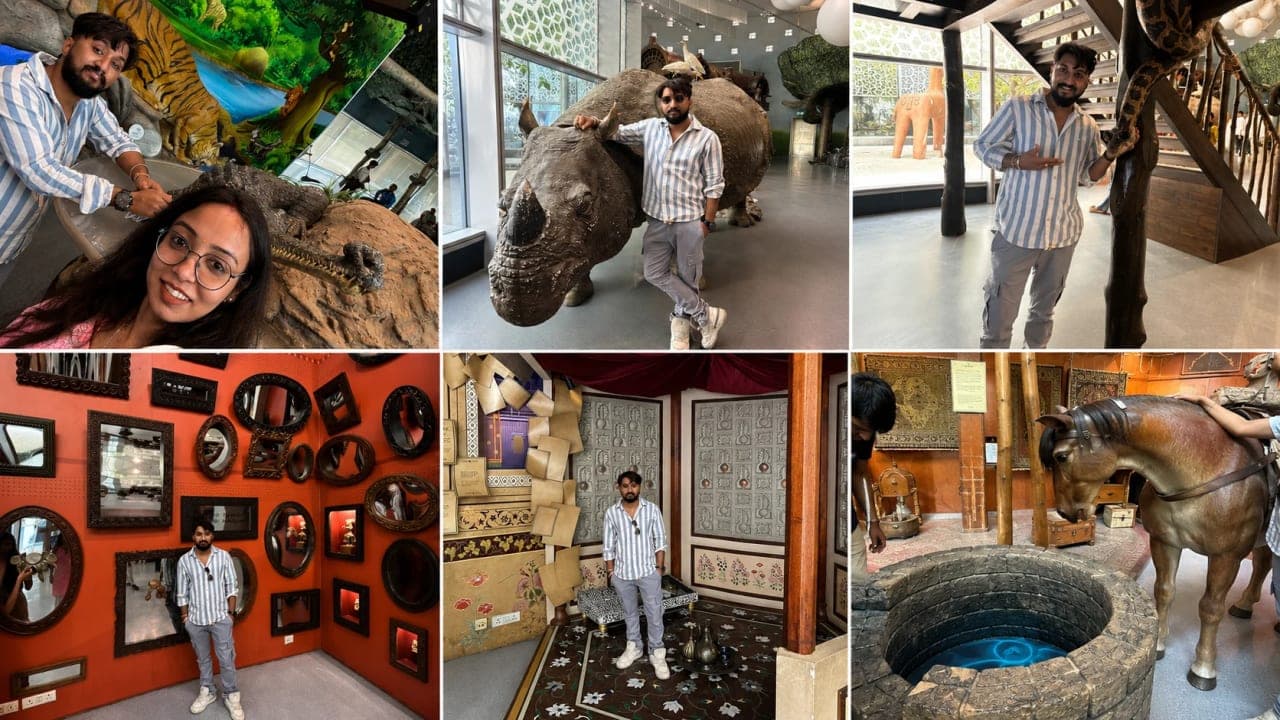
Children's Gallery
Even though the gallery is designed for children, adults enjoy it just as much.
The space is interactive, colorful, and full of engaging exhibits.
The gallery includes:
Wildlife sections
Discovery zones
Arts and culture areas
History sections
Interactive learning experiences
The exhibits are designed to encourage curiosity rather than simply display information.
And honestly, it brought out the child in all of us.
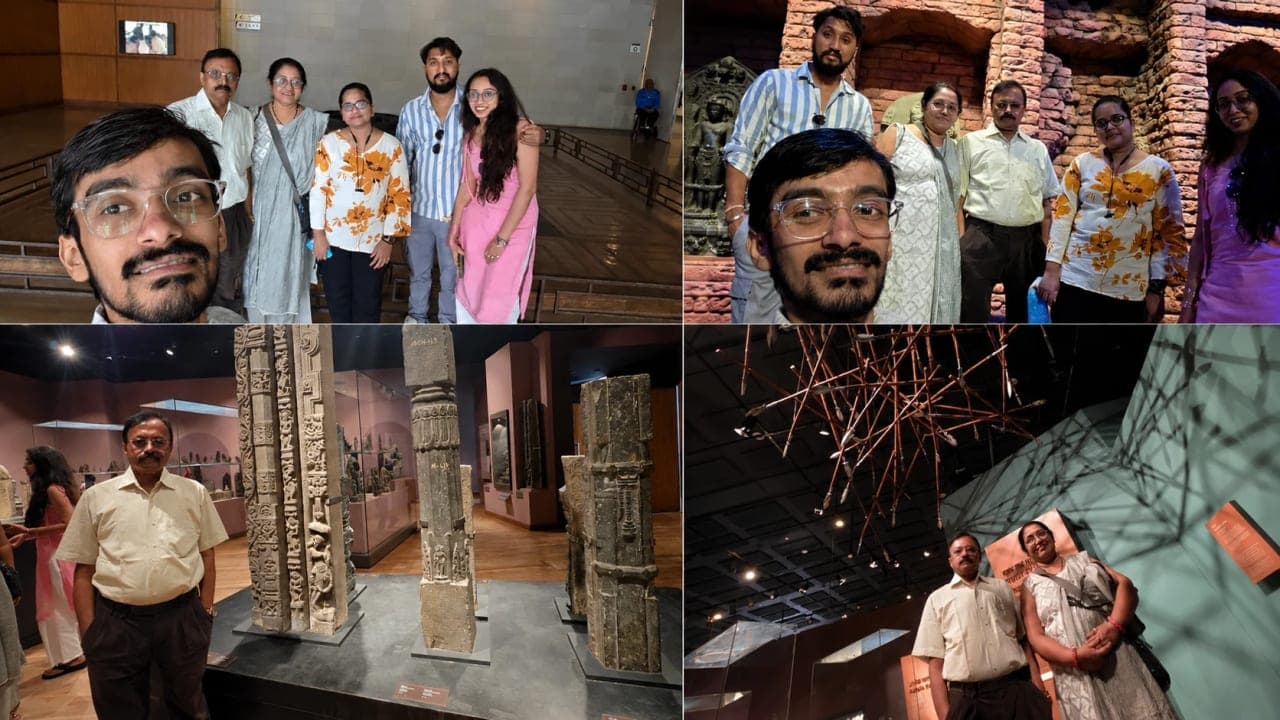
Four To Five Hours Later...
We kept walking.
Gallery after gallery.
Floor after floor.
Story after story.
Without realizing it, almost four to five hours had passed.
And somehow, it never felt boring.
That is probably the biggest achievement of Bihar Museum.
It makes history feel alive.
The Mandatory Fridge Magnet Stop
No trip is complete without buying a fridge magnet.
At least not for us.
So before leaving, we visited the museum shop.
And yes, we bought our favourite souvenir.
Another fridge magnet added to the collection.
A small memory that would later remind us of this day.
Ending The Day At Potbelly
After hours of walking, learning, reading, and exploring, all of us were hungry.
So we headed towards Potbelly, the restaurant inside Bihar Museum.
And honestly, it was the perfect ending.
Good food.
Family around.
Stories being discussed.
Everyone talking about their favourite gallery.
And outside, the Patna heat was still waiting for us.
But thankfully, we had spent the entire day escaping it inside one of the most beautiful places in the city.
When we finally walked back towards the parking area, I realized something.
I had brought my husband there thinking I was showing him a museum.
But somewhere during those five hours, I was actually showing him a part of Bihar.
A part of my home.
And maybe that is why this became the first place I wanted him to visit after coming to Patna.
Lock in the takeaway
Patna Travel Stories
Frequently asked questions
Is Bihar Museum a good place to visit in Patna during summer?
Yes. In this story, Bihar Museum felt like one of the best summer outings in Patna because the galleries were air-conditioned and there was enough to explore for several hours.
How much time should you keep for Bihar Museum?
Based on this visit, you should keep at least four to five hours if you want to explore the galleries slowly and enjoy the experience properly.
Why was Bihar Museum chosen as the first outing in Patna?
It was chosen because it is a strong introduction to Bihar's history, culture, art, and heritage, and it also offered relief from Patna's intense summer heat.
What was one unexpected issue at Bihar Museum?
The group was surprised that the ticket counter did not accept UPI, and the day was saved only because the parents were carrying cash.
What made this Bihar Museum visit emotionally special?
The visit became special because it was not just about showing a museum to the writer's husband. It ended up feeling like sharing a meaningful part of Bihar and home with him.