
Listen to this article
Checking audio support
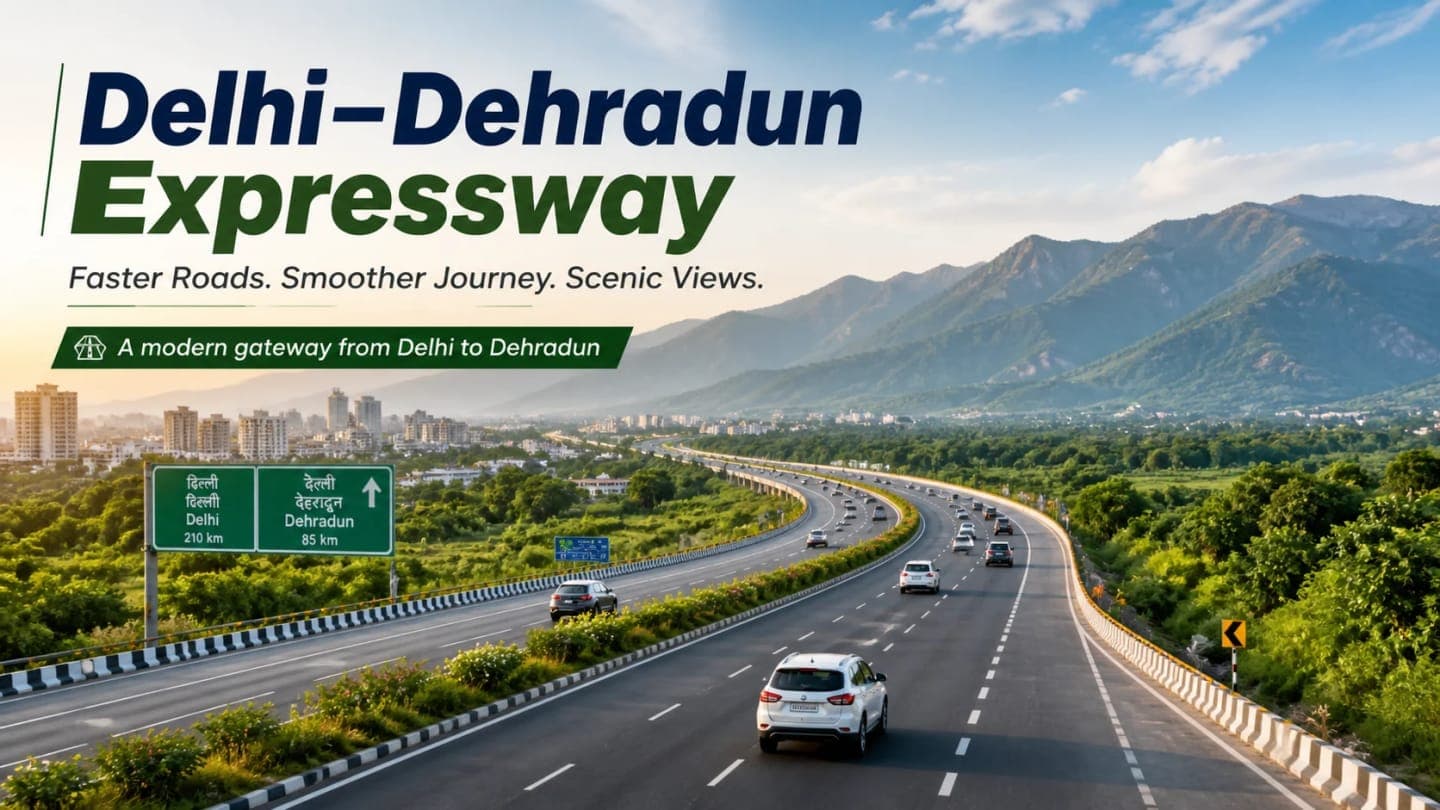
We still remember that evening—16th April 2026. It took us nearly an hour to reach the Delhi–Dehradun Expressway, and as we entered it at 5:57 PM, the sky was turning golden. Within seconds, the chaos of city traffic disappeared, replaced by a smooth, wide, almost unreal stretch of road. My husband and I just smiled—this felt different.
Just two days after its inauguration on 14th April 2026, we were already experiencing what this ~210 km expressway promised: cutting travel time from 6–7 hours to about 2.5–3 hours. The drive was effortless—no breaks, no stress. Toll plazas weren’t operational yet, and there were no food stops available, though construction was ongoing. Still, we didn’t miss them—the journey itself was the highlight.
What makes this expressway special is that it’s more than just fast. It acts as a wildlife corridor, with elevated sections and underpasses designed to let animals move safely across forest regions. At the same time, it’s an emerging economic corridor, expected to boost tourism, business, and connectivity between Delhi and Uttarakhand.
How is it so far?
Vote with other readers
We reached Dehradun in about 2.5 hours—but as we entered the city, we saw an accident involving two trucks. It was a sudden reminder that even the best roads can’t guarantee safety. In fact, it’s only been a few days since the expressway opened, and accidents have already been reported.
We loved the drive—it was smooth, fast, and refreshing. But one thought stayed with us:
the better the road, the more responsibly we need to drive.