
Listen to this article
Checking audio support
The story of a movement that united people beyond caste, religion, and ideology.
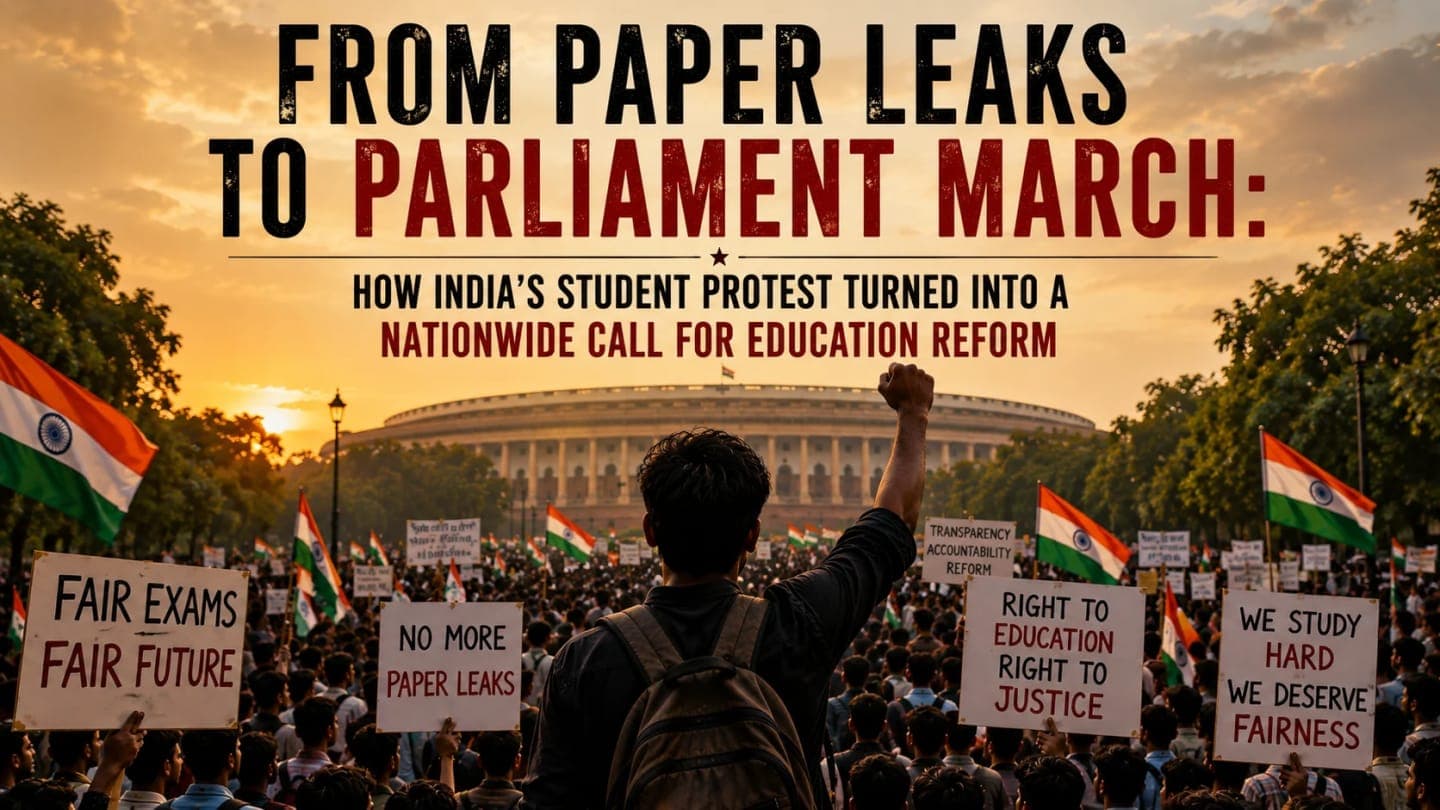
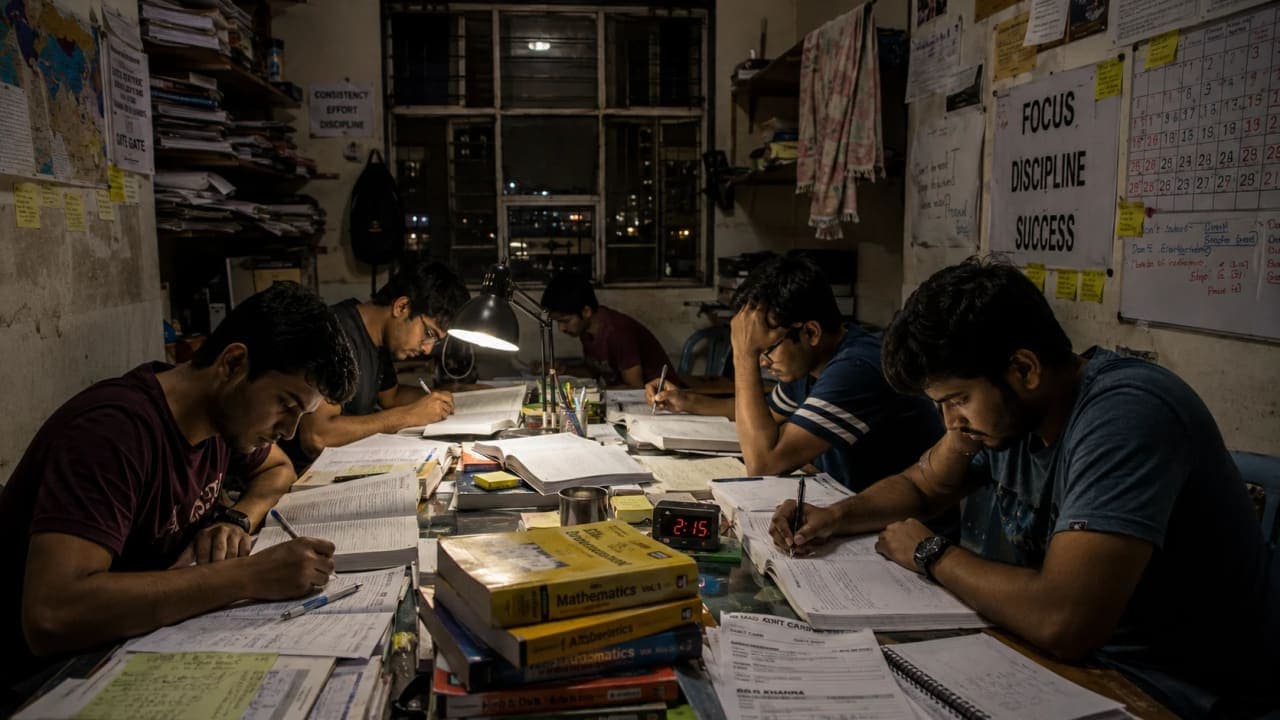
For lakhs of students across India, competitive examinations represent years of preparation, financial sacrifices made by families, and dreams of building a better future. When repeated controversies over examination paper leaks, cancellations, and irregularities surfaced, many students felt that the system they had trusted was failing them.
What began as frustration over examination management gradually transformed into one of the country's biggest student-led movements demanding transparency, accountability, and long-term reforms in India's education and examination system.
Why Did the Protest Begin?
The movement did not emerge overnight. It was the result of months of growing anger among students who had experienced repeated disruptions in competitive examinations.
Several examination controversies, including major paper leak allegations and cancelled exams, left students questioning whether merit alone was enough to secure their future. Many aspirants spoke about spending years preparing for examinations, only to find themselves facing uncertainty because of administrative failures beyond their control.
As discussions spread through coaching institutes, universities, and social media, the movement expanded beyond individual examinations. Students began demanding systemic reforms that would improve the transparency, security, and credibility of India's examination process.
Over time, what started as a protest against examination irregularities evolved into a larger campaign calling for accountability from institutions responsible for conducting competitive examinations.
A Movement That United People Beyond Students
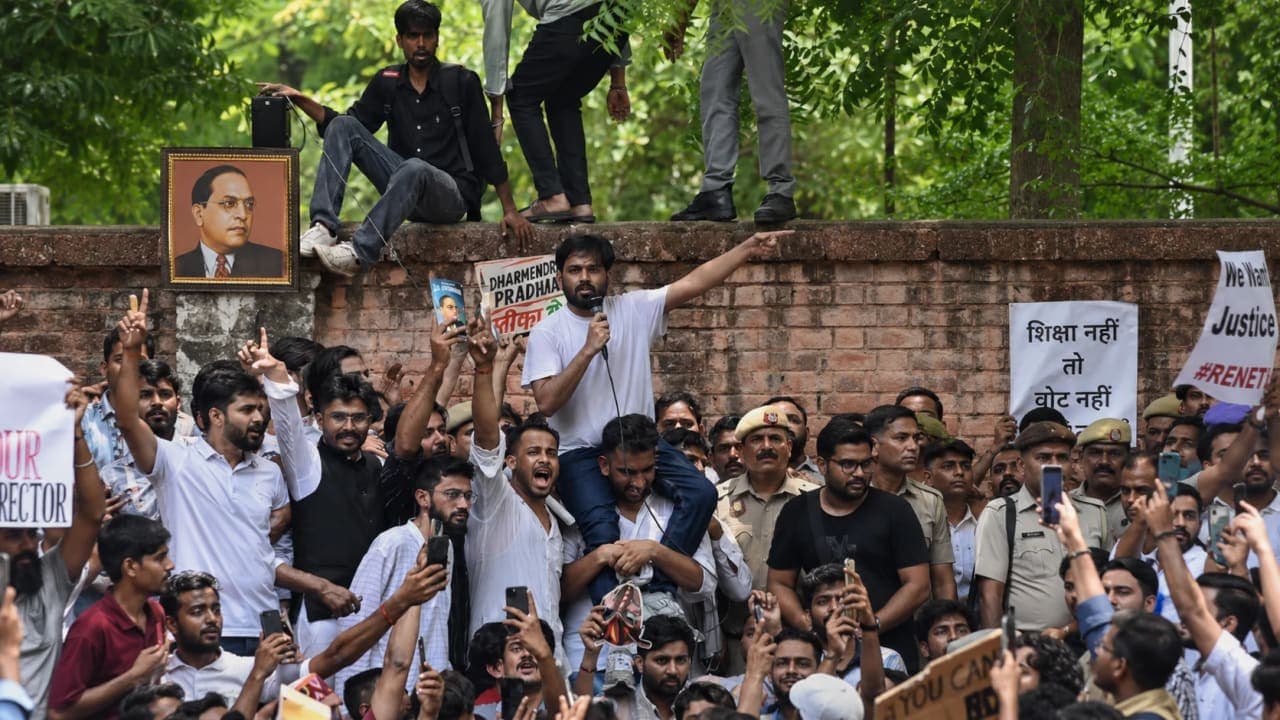
One of the striking aspects of the protest was the diversity of the people who stood together.
Students from different states, languages, communities, and educational backgrounds participated in demonstrations. Many observers noted that, at the protest sites, differences of caste, religion, gender, and region appeared secondary to a common concern: protecting the integrity of India's education system.
Parents, teachers, retired professionals, social activists, and ordinary citizens also joined the discussions, expressing concern that examination credibility affects not only today's students but the country's future workforce.
Public Figures Who Extended Their Support
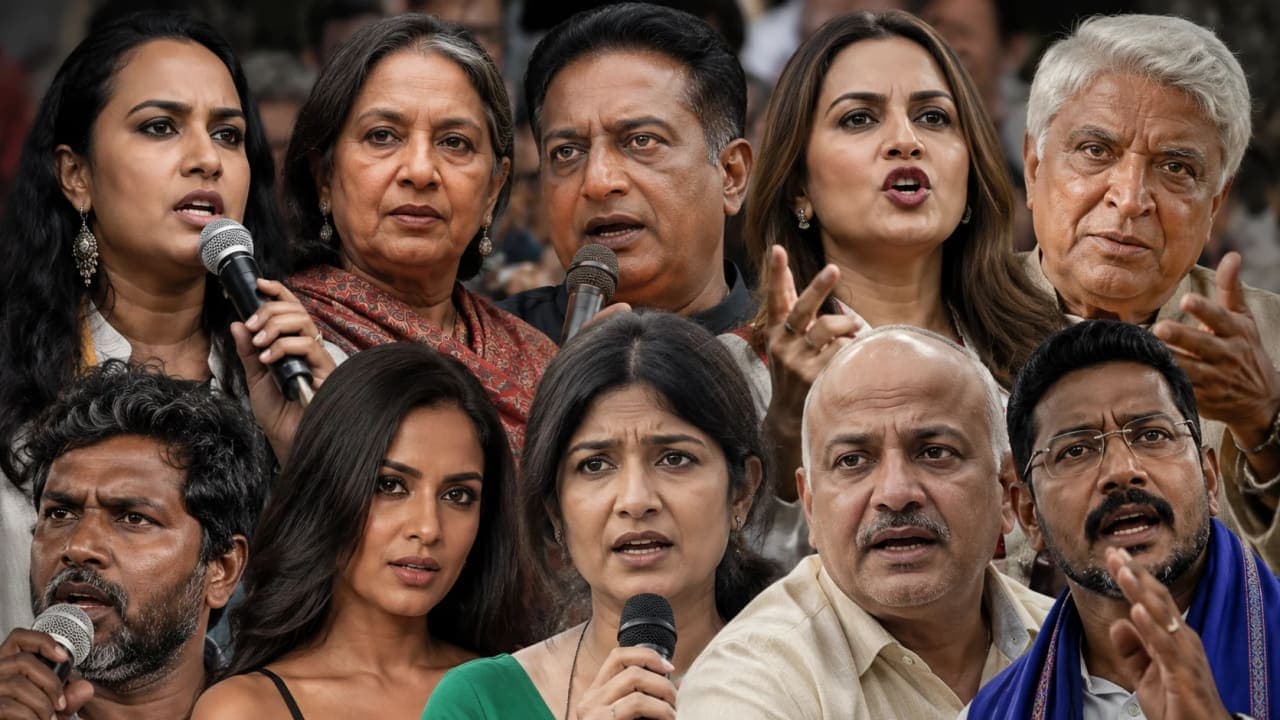
As the movement gathered momentum, it began attracting support far beyond classrooms and coaching centres. Actors, filmmakers, politicians, former ministers, retired defence personnel, social activists, and ordinary citizens reached Jantar Mantar or expressed solidarity online. Their participation helped bring national attention to what many students described as a fight for the future of India's education system.
Veteran actor Shabana Azmi visited Jantar Mantar, interacted with students, and publicly supported their demand for examination reforms and greater accountability. Actor Prakash Raj also reached the protest site and repeatedly expressed solidarity through both his presence and social media, urging authorities to listen to the voices of young people.
Actor Sonakshi Sinha publicly backed the movement, calling for peaceful dialogue and urging that students' concerns be heard. According to Shabana Azmi, lyricist and screenwriter Javed Akhtar had written to Prime Minister Narendra Modi expressing concern over the examination controversy even before she joined the protest. Tamil filmmaker Pa. Ranjith also extended his support, saying that the education system must remain fair and transparent for every student.
Actress Swara Bhasker visited Jantar Mantar to express solidarity with Sonam Wangchuk and the protesting students. During her visit, she met Wangchuk and addressed those gathered, stating that the movement was about protecting the future of young Indians and ensuring accountability in the education system.
Actress Kunickaa Sadanand (also spelled Kunika Sadanand) also reached Jantar Mantar and publicly supported the students. Speaking to the media, she questioned the treatment of protesting students and appealed to the government to engage with them through dialogue rather than confrontation.
Actress Poonam Pandey also joined the protest, saying that she had come "only and only to support the students." She appealed to people not to turn the issue into a political or religious debate and said the focus should remain on protecting students' futures and strengthening India's education system.
Political support also became increasingly visible. Samajwadi Party MP Dimple Yadav visited Jantar Mantar and joined the demonstrations, saying that the concerns of students deserved serious attention and that the government should provide clear answers regarding examination irregularities.
Former Delhi Deputy Chief Minister and former Education Minister Manish Sisodia also joined the protest and expressed support for the students' demands. He criticised the handling of the examination controversies and called for greater transparency and accountability in the education system.
Member of Parliament Chandrashekhar Azad, founder of the Bhim Army and Azad Samaj Party, addressed the gathering at Jantar Mantar and extended his support to the movement. While urging protesters to maintain discipline and peace, he said that students seeking a fair education system should not be ignored.
Apart from political leaders and celebrities, the movement also witnessed participation from retired armed forces personnel, teachers, educationists, lawyers, parents, and civil society organisations. Their presence reflected how the issue had evolved from a student protest into a broader public movement concerning the credibility of India's education and examination system
How is it so far?
Vote with other readers
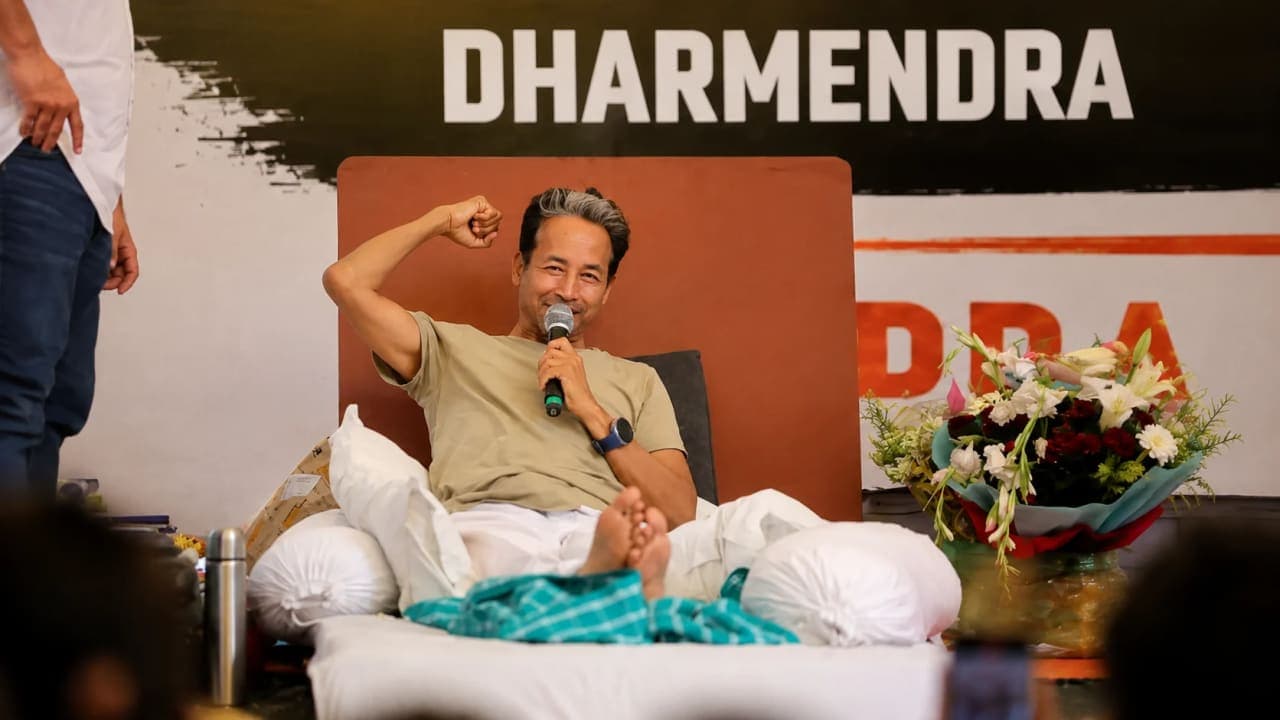
Sonam Wangchuk's Hunger Strike
Another important development associated with the movement was the hunger strike led by Sonam Wangchuk.
An engineer, education reformer, and environmental activist from Ladakh, Wangchuk is widely known for promoting sustainable development, educational innovation, and grassroots reform. Over the years, he has become a respected public voice on issues concerning education, governance, and environmental protection.
During the protest, Wangchuk began a hunger strike to draw attention to the concerns raised by students and supporters demanding accountability and institutional reforms.
Before the planned march on Parliament, Delhi Police shifted Wangchuk from the protest site to Safdarjung Hospital.
According to the police, the decision was taken following directions from the Delhi High Court and medical advice, as doctors were concerned about his deteriorating health after an extended fast.
However, Wangchuk and many of his supporters stated that he was moved without his consent, describing the action as an attempt to weaken the ongoing movement.
The differing accounts became another major point of debate surrounding the protest.
The Parliament March of 20 July
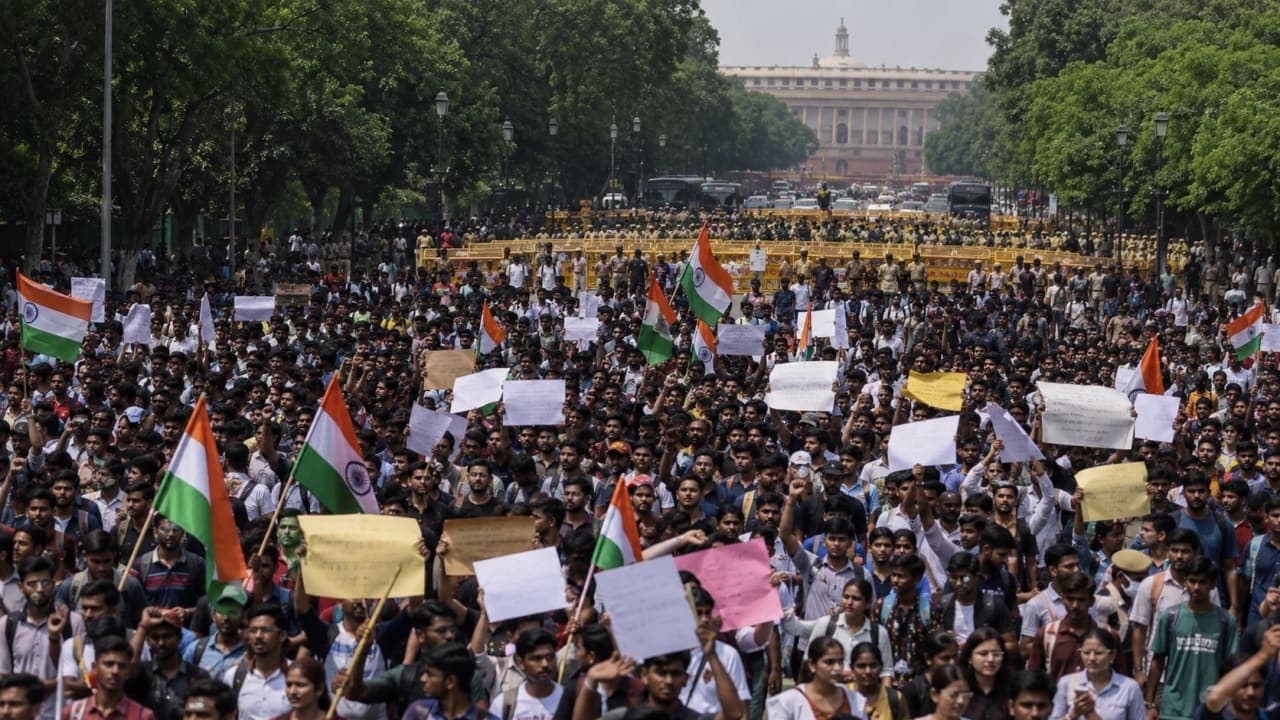
On 20 July 2026, thousands of protesters gathered for a march towards Parliament.
The march represented the largest public demonstration of the movement so far, with students travelling from different parts of the country to participate.
Many protesters carried placards demanding examination reforms, accountability, and greater transparency in the recruitment and education systems.
Participants and organisers described the demonstration as a peaceful march intended to highlight student concerns before the country's lawmakers.
However, heavy security arrangements had already been put in place around Parliament.
As protesters attempted to move towards restricted areas, police intervened to enforce security restrictions.
Police Action During the Protest
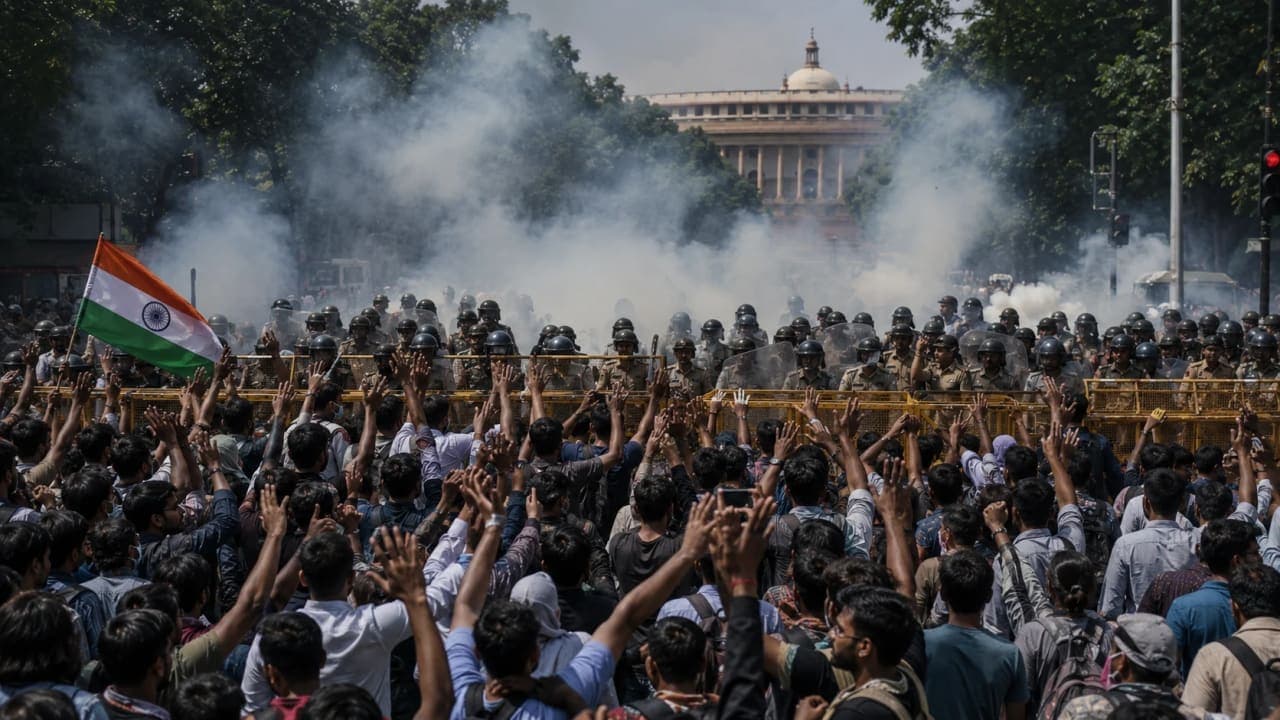
Police used crowd-control measures that included baton charges (lathi charge) and tear gas while attempting to stop protesters from advancing towards Parliament.
Visuals from the protest showed tense confrontations between security personnel and demonstrators, with many protesters running to avoid tear gas and others assisting people who had fallen during the commotion.
Protest organisers alleged that the police response was excessive and argued that the demonstration was largely peaceful.
The police, on the other hand, maintained that the measures were necessary to enforce restrictions and maintain law and order around Parliament.
Videos and photographs from the day quickly spread across television channels and social media, making the events one of the most widely discussed national stories.
A Growing National Conversation
The movement has sparked debate across India about the future of competitive examinations.
Supporters argue that students are not merely protesting against a single examination controversy but are demanding a system that is transparent, fair, and trustworthy for future generations.
Critics, meanwhile, have questioned certain aspects of the demonstrations or the methods adopted by some groups, while agreeing that examination reforms deserve serious attention.
Regardless of political opinion, the protests have brought the condition of India's examination system to the centre of public discussion.
Government's Response So Far
As of 20 July 2026, there had been no detailed public address by Prime Minister Narendra Modi specifically responding to the protesters' demands. While the Prime Minister had made general remarks about youth and maintaining public order, he had not publicly addressed the full set of issues raised by the movement.
Similarly, Union Education Minister Dharmendra Pradhan had not issued a detailed public response addressing all of the protesters' demands by the end of 20 July.
Students and organisers continue to seek clearer assurances regarding examination reforms, institutional accountability, and measures to prevent future irregularities.
More Than a Protest
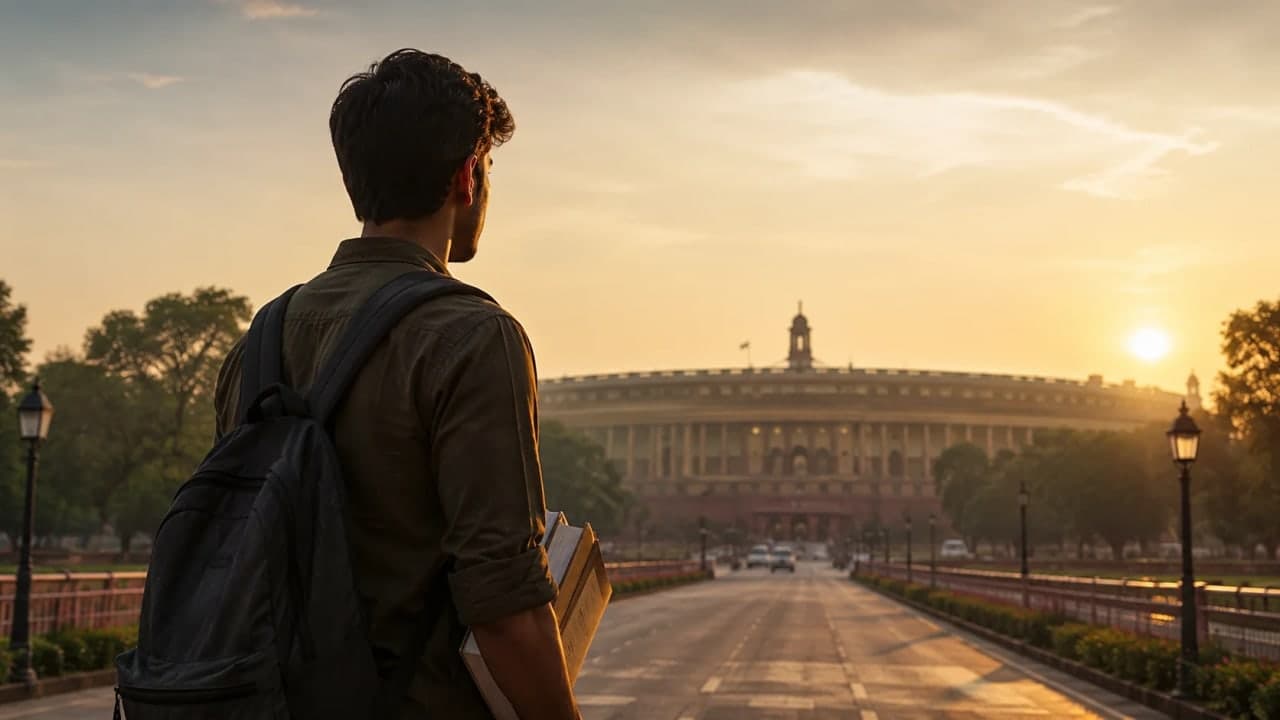
Whether viewed as a student movement, a call for institutional reform, or a broader demand for accountability, the events of July 2026 have highlighted how deeply education matters to millions of Indians.
For many young people, this movement is about more than cancelled examinations or leaked papers. It is about faith in a system that shapes careers, livelihoods, and aspirations.
How policymakers, institutions, and civil society respond in the coming weeks may determine not only the future of this movement but also public confidence in India's education system for years to come.
Lock in the takeaway
Frequently asked questions
Why did the student protest begin in India?
The movement began after repeated controversies surrounding competitive examinations, including paper leak allegations, cancelled exams, and concerns about transparency. Students demanded reforms to restore trust in the education system.
What are the main demands of the protesters?
Students have called for stronger examination security, greater transparency in recruitment and evaluation, accountability for irregularities, and reforms that ensure a fair examination process for all candidates.
Who is Sonam Wangchuk and why did he join the protest?
Sonam Wangchuk is an engineer, education reformer, and environmental activist from Ladakh. He joined the movement through a hunger strike to support students demanding accountability and long-term reforms in India's education system.
What happened during the Parliament march on 20 July?
Thousands of protesters marched towards Parliament to highlight their demands. Police enforced security restrictions, resulting in barricades, detentions, tear gas, and baton charges in some areas.
Which public figures supported the protest?
Several public figures publicly expressed solidarity, including Shabana Azmi, Prakash Raj, Sonakshi Sinha, Javed Akhtar, Pa. Ranjith, Poonam Pandey, Dimple Yadav, Manish Sisodia, Chandrashekhar Azad, and others.
What has been the government's response?
Authorities have stated that law and order measures were necessary around Parliament and have defended police action as part of maintaining security. Students and supporters continue to seek more detailed responses regarding examination reforms and accountability.