
Listen to this article
Checking audio support
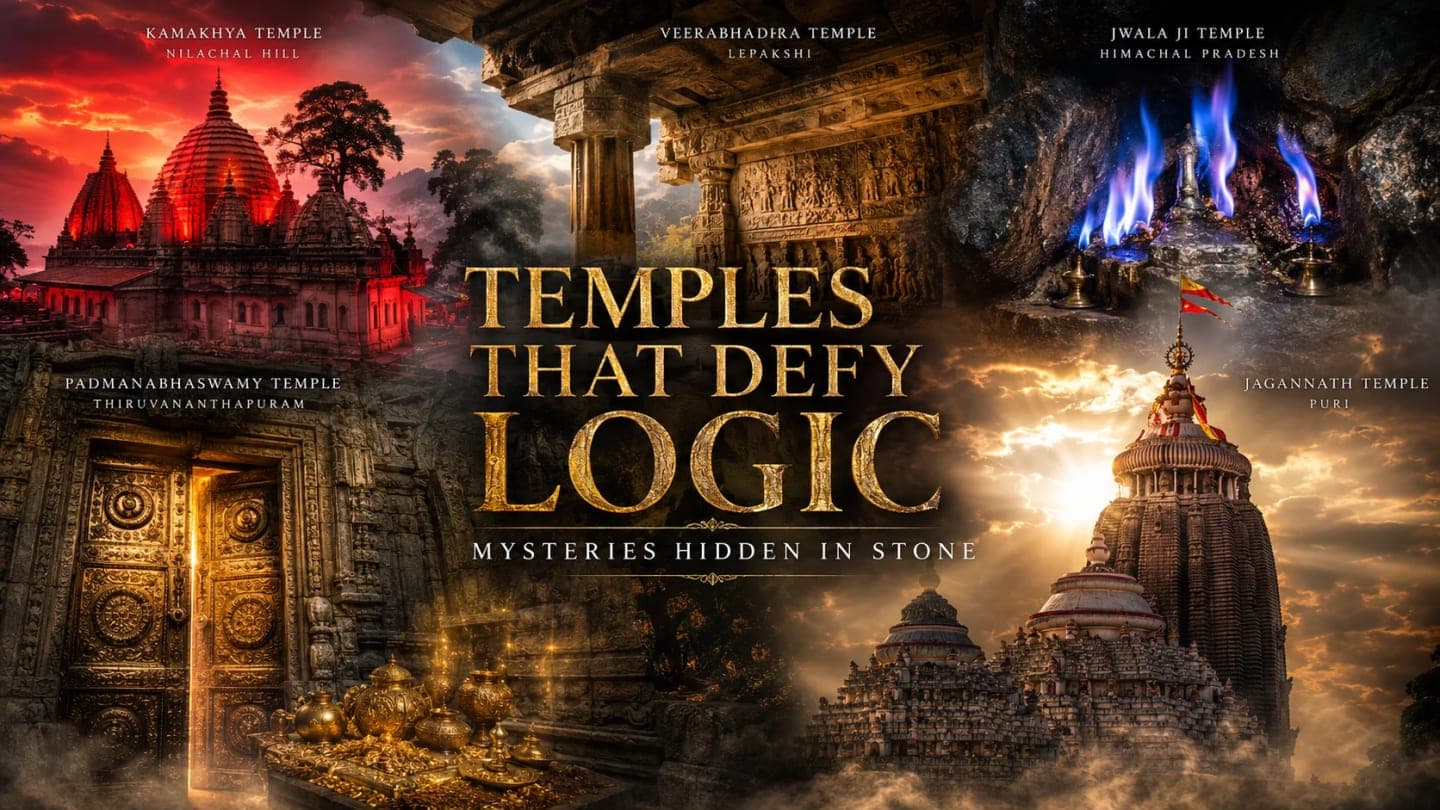
A temple with no idol. A pillar that appears to float. Flames that never die. A vault that remains sealed. Welcome to India's most intriguing sacred mysteries.
Five ancient Indian temples where faith, history, engineering, and mystery continue to challenge what we think we know.
Imagine standing in front of a temple that has no idol.
Or watching a flame that has burned from the rocks for centuries.
Or seeing a massive stone pillar that appears to float.
Or hearing stories of a vault that nobody dares to open.
Or visiting a temple where every local guide has a different explanation for why the flag seems to fly against the wind.
India is home to thousands of temples. Some are famous for their architecture, others for their history, and many for the deep faith they inspire. But then there are a handful of temples that make even the most practical minds stop and wonder.
Are these miracles?
Ancient engineering?
Natural phenomena?
Centuries-old folklore?
Or simply reminders that not everything needs to be explained to remain meaningful?
Let's travel across India—from the lush hills of Assam to the beaches of Odisha—to explore five temples whose stories continue to fascinate devotees, historians, architects, scientists, and curious travellers alike.
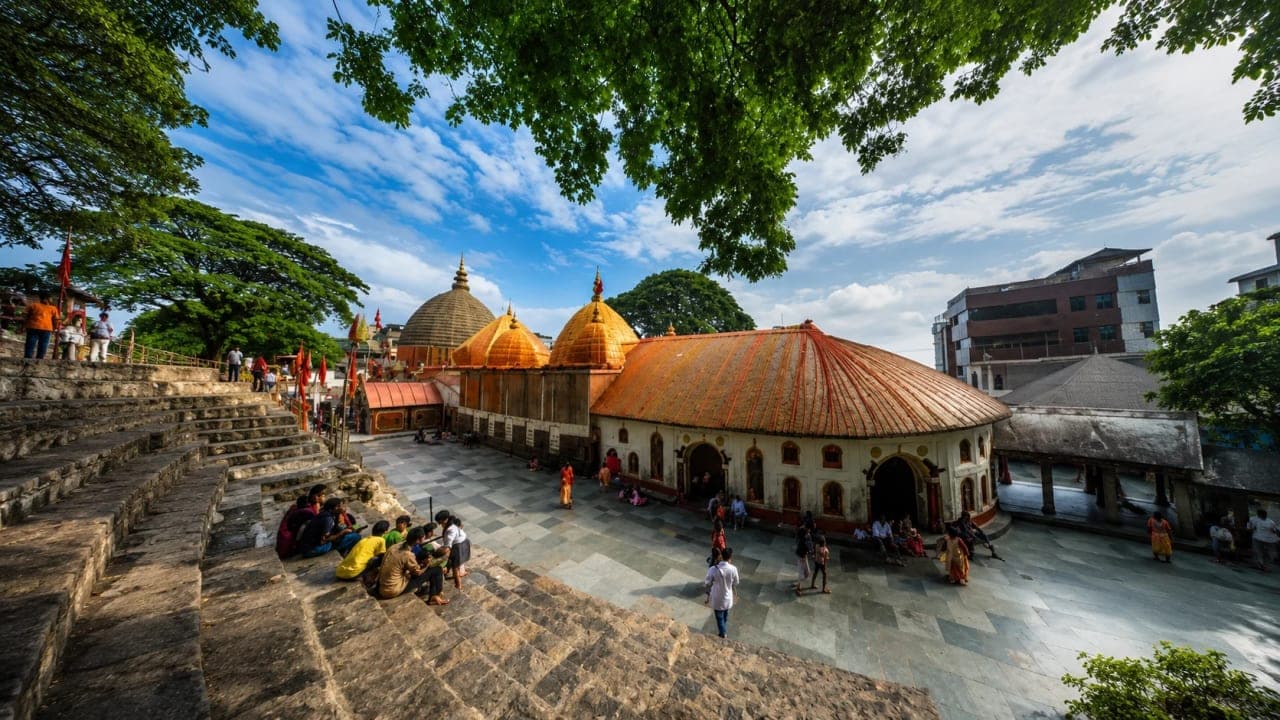
1. Kamakhya Temple, Assam
Location: Nilachal Hill, Guwahati, Assam
If someone told you there was one of India's most powerful temples without an idol of the goddess, you might think they were joking.
But that's exactly what makes Kamakhya Temple so unique.
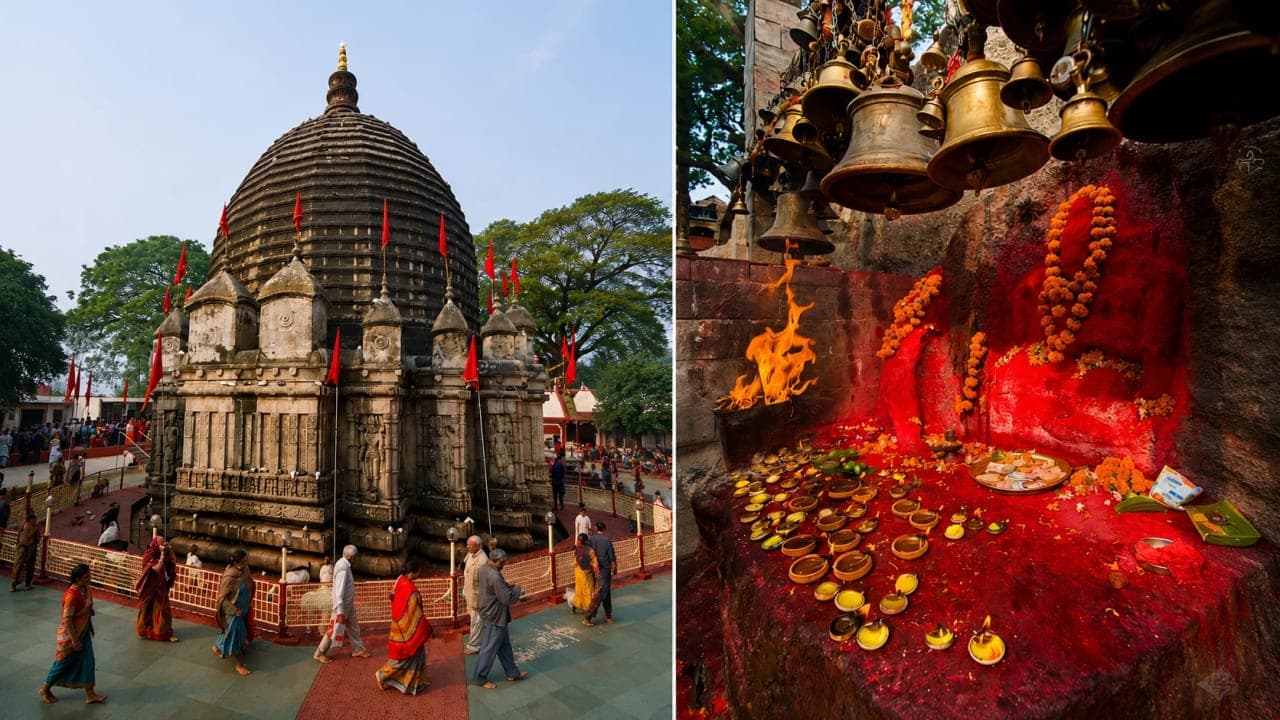
Unlike most Hindu temples where devotees worship a statue or idol, the sanctum of Kamakhya houses a naturally formed rock crevice that is continuously fed by an underground spring. This sacred rock is revered as the manifestation of Goddess Kamakhya.
The atmosphere inside the temple feels very different.
Dark stone passages.
Oil lamps.
Ancient chants.
A constant flow of devotees waiting patiently for a brief glimpse of the sacred shrine.
It feels less like entering a monument and more like stepping into a place where mythology still breathes.
The Mystery of Ambubachi Mela
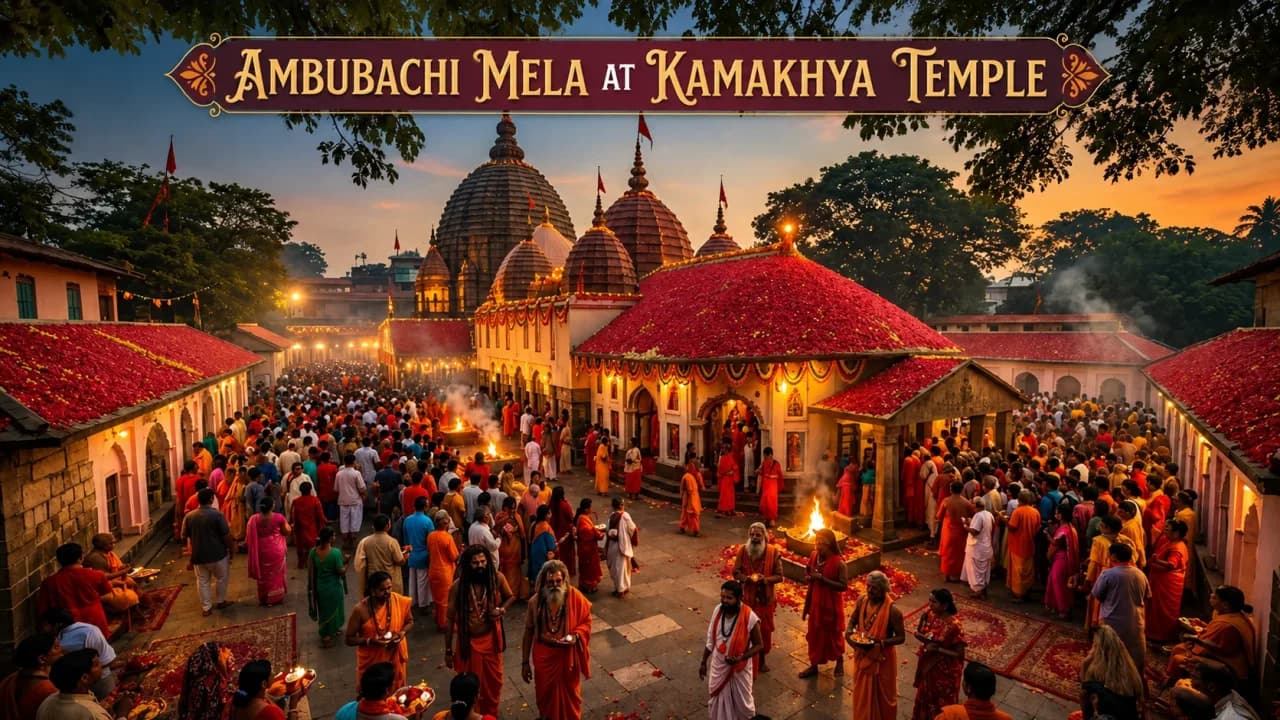
Every year, usually around June, the temple closes for three days during the famous Ambubachi Mela.
According to Hindu tradition, this period marks the annual menstruation of Goddess Kamakhya, symbolising fertility, creation, and the cycle of nature.
When the temple reopens, thousands upon thousands of devotees gather to receive the blessed red cloth believed to have absorbed the divine energy associated with the festival.
For believers, this is one of the holiest events in Shaktism.
Is There a Scientific Explanation?
Some researchers have suggested that the reddish colour associated with the sacred spring during this period could be linked to natural minerals, algae, iron-rich sediments, or seasonal geological changes. However, there is no universally accepted scientific explanation connecting these observations to the religious tradition.
For devotees, the scientific discussion is secondary.
Faith is the reason they come.
Why Millions Visit
Kamakhya is considered one of the 51 Shakti Peethas, making it one of Hinduism's most sacred pilgrimage destinations.
Whether one visits out of devotion, curiosity, or fascination with India's spiritual heritage, Kamakhya leaves an impression that stays long after the journey ends.
2. Veerabhadra Temple (Lepakshi), Andhra Pradesh
Location: Lepakshi, Sri Sathya Sai District, Andhra Pradesh
Imagine walking into a 16th-century temple and being told,
"That pillar isn't actually resting on the ground."
Naturally, most visitors laugh.
Until they see it.
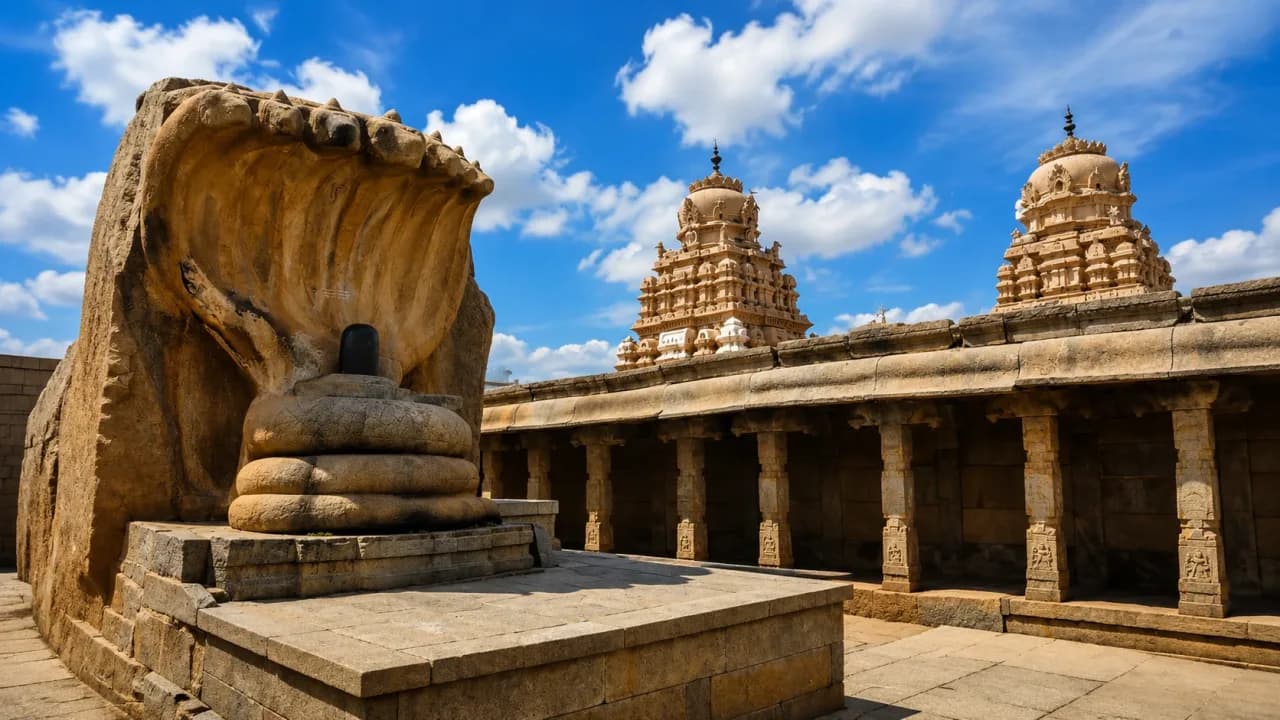
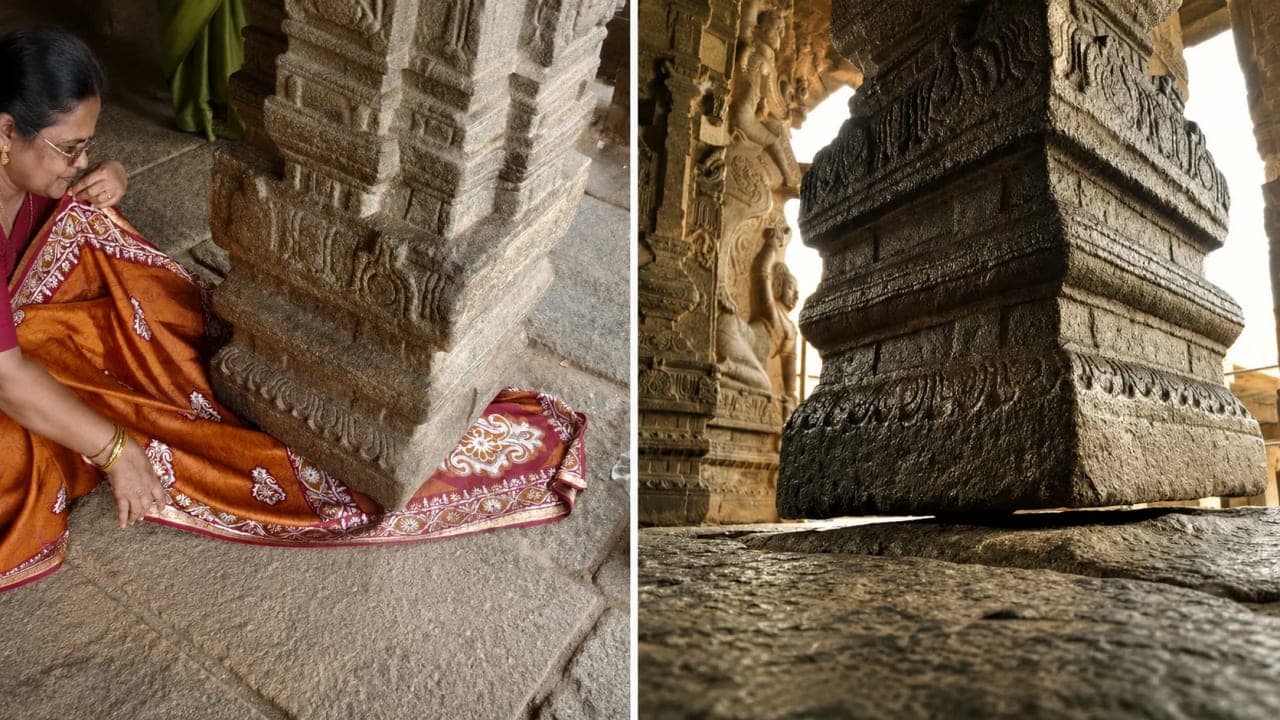
One of the stone pillars inside the Veerabhadra Temple appears to hang slightly above the floor. Visitors have long demonstrated this by carefully passing a thin cloth beneath part of the pillar.
It's one of India's most famous architectural mysteries.
Ancient Engineering at Its Finest
The temple was built during the Vijayanagara Empire in the 1500s.
Every beam.
Every ceiling.
Every sculpture.
Every carved column.
Everything appears astonishingly precise.
Engineers believe the temple's weight is distributed through an interconnected system of pillars and beams, allowing one pillar to appear partially suspended without compromising the building's stability.
Rather than being an accident, it is widely considered an extraordinary example of structural planning.
The British Mistake
One of the most repeated local stories involves a British engineer during colonial rule.
Curious about the hanging pillar, he reportedly tried to move or test it.
According to local accounts, the attempt slightly displaced the pillar and caused neighbouring pillars to shift subtly.
Whether every detail of the story is historically documented or not, the tale has become part of Lepakshi's folklore.
Today, the hanging pillar remains exactly where generations have admired it.
More Than a Mystery
Beyond the famous pillar, the temple is celebrated for its magnificent frescoes, beautifully carved Nandi statue, and intricate Vijayanagara architecture.
Sometimes the greatest mystery isn't why one pillar doesn't touch the ground.
It's how artisans achieved such precision nearly five hundred years ago without modern engineering software or machinery.
3. Jwala Ji Temple, Himachal Pradesh
Location: Kangra District, Himachal Pradesh
No idol.
No statue.
No lamp.
Instead...
How is it so far?
Vote with other readers
Small blue flames quietly emerge from cracks in the rocks.
They have been burning for centuries.
Welcome to Jwala Ji Temple.
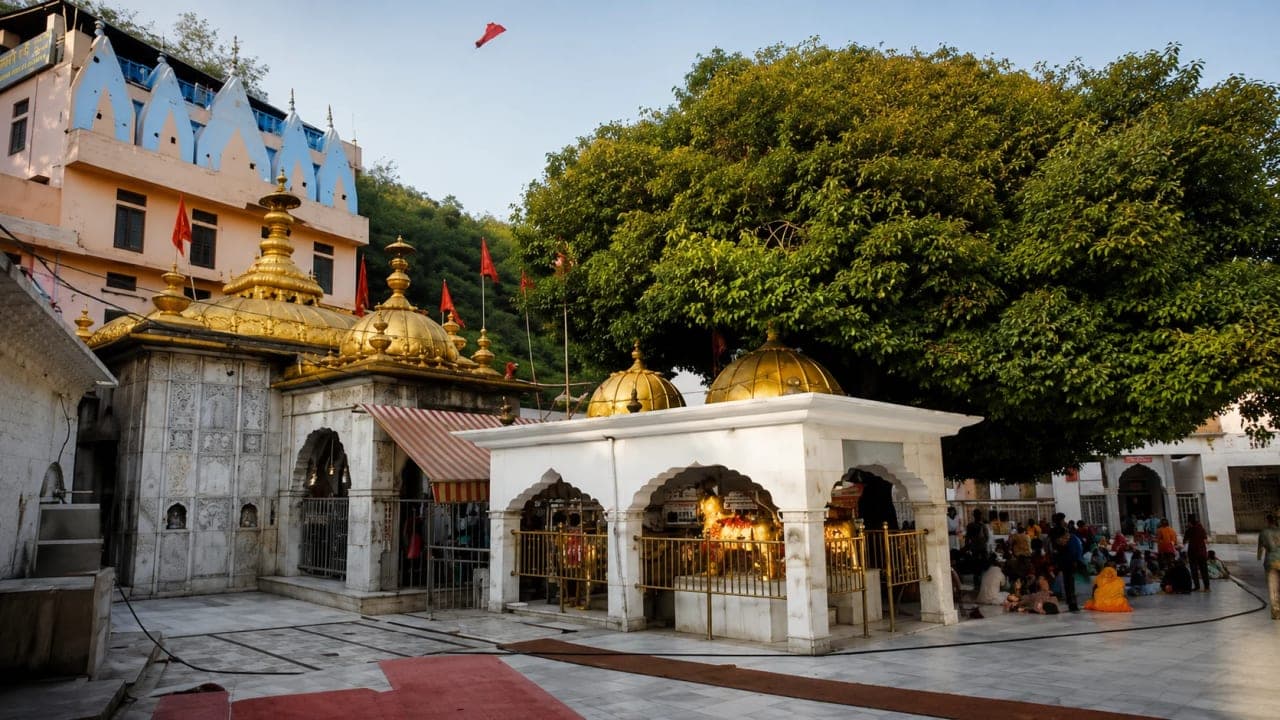
Unlike most temples dedicated to visible idols, devotees here worship the eternal flames themselves.
These flames are believed to represent Goddess Jwala, one of the forms of Goddess Durga.

The Eternal Fire
Visitors often expect large flames.
Instead, they find several small blue flames emerging naturally from different rock crevices inside the sanctum.
Their simplicity somehow makes them even more remarkable.
Kings.
Pilgrims.
Travellers.
Historians.
All have documented these flames for centuries.
The Geological Perspective
Scientists generally attribute the flames to natural combustible gases, such as methane and other hydrocarbons, escaping through underground fissures and igniting naturally or through maintained temple flames.
Natural gas seepage is a recognised geological phenomenon in several parts of the world.
However, what continues to fascinate many visitors is the longevity of these flames and the way they have become inseparable from the temple's identity.
Faith Beyond Explanation
For devotees, these are not geological gas vents.
They are the eternal presence of the Goddess herself.
This difference in perspective is what makes Jwala Ji so captivating.
The same flame can inspire both scientific curiosity and profound spiritual devotion.
4. Padmanabhaswamy Temple, Kerala
Location: Thiruvananthapuram, Kerala
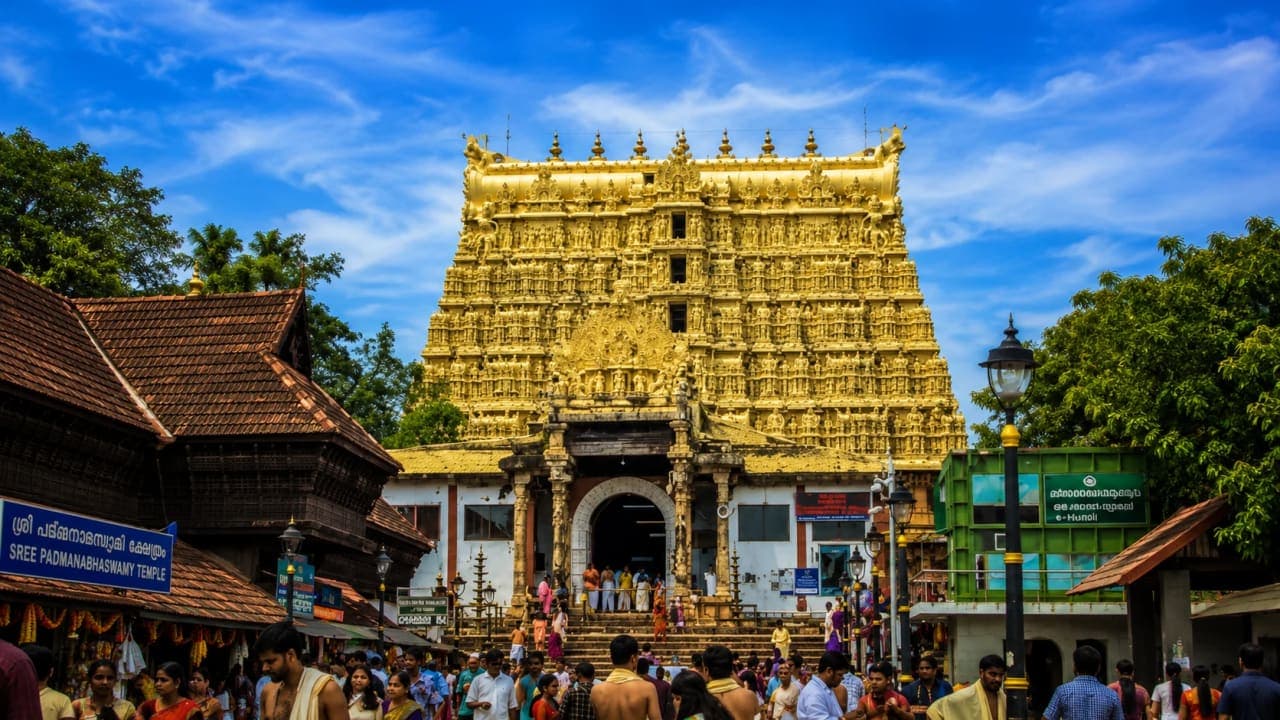
Few temples in the world have generated as much global curiosity as Padmanabhaswamy Temple.
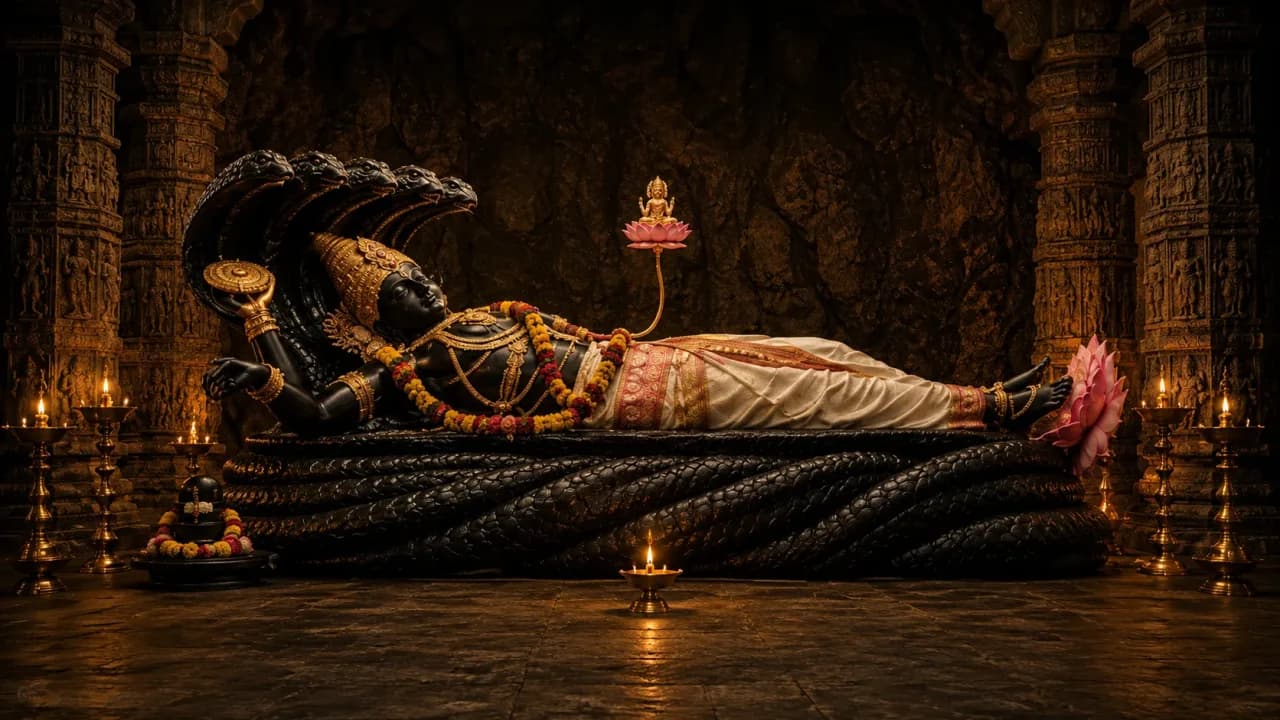
The temple itself is magnificent, dedicated to Lord Vishnu reclining on the serpent Ananta.
But much of its modern fame comes from something hidden beneath its floors.
Its underground vaults.
The Treasure That Shocked the World
In 2011, under the supervision of the Supreme Court of India, several temple vaults were opened for inventory.
What officials documented astonished the world.
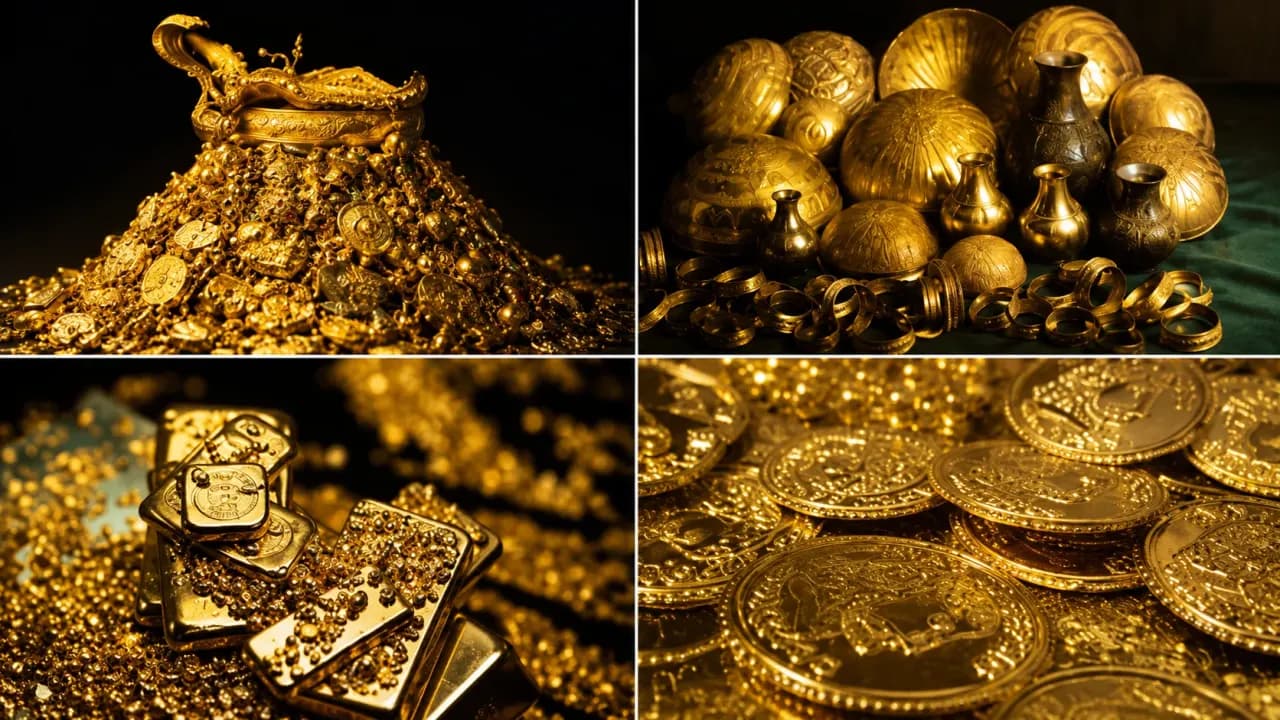
Gold ornaments.
Ancient coins.
Jewels.
Golden idols.
Precious stones.
Historical artefacts.
The discoveries were valued in billions of dollars, making the temple one of the wealthiest religious institutions in the world.
These findings are documented historical events.
The Mystery of Vault B
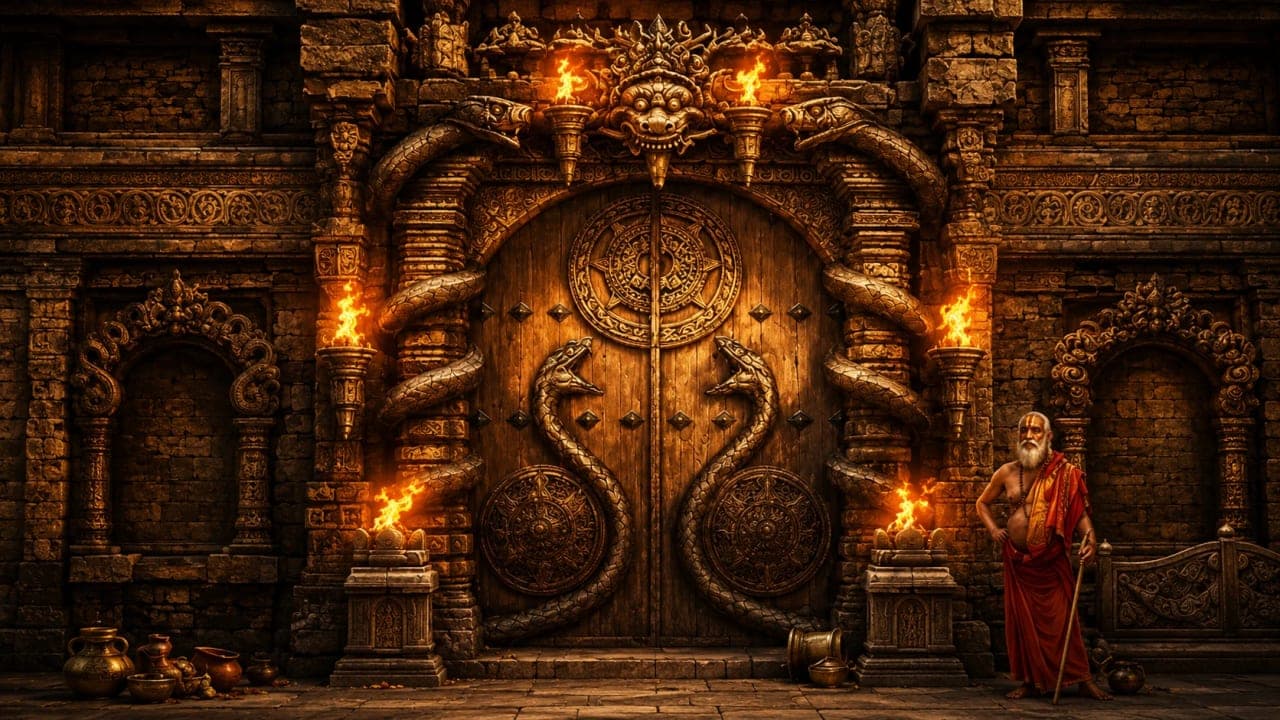
One vault, commonly known as Vault B, was not opened.
Unlike the other vaults, this chamber has become surrounded by legends.
Some believe it is protected by divine forces.
Others speak of ancient curses.
Some traditions claim that opening it without proper rituals could invite disaster.
These stories belong to temple folklore and religious belief rather than verified historical evidence.
Because the chamber remains unopened, speculation naturally continues.
History and Legend
The documented treasure discovered in the other vaults is extraordinary enough on its own.
Yet human imagination has always been drawn to the unknown.
Perhaps that's why Vault B continues to capture headlines, documentaries, and conversations around the world.
Sometimes the mystery isn't what's inside.
It's the fact that nobody knows.
5. Jagannath Temple, Odisha
Location: Puri, Odisha
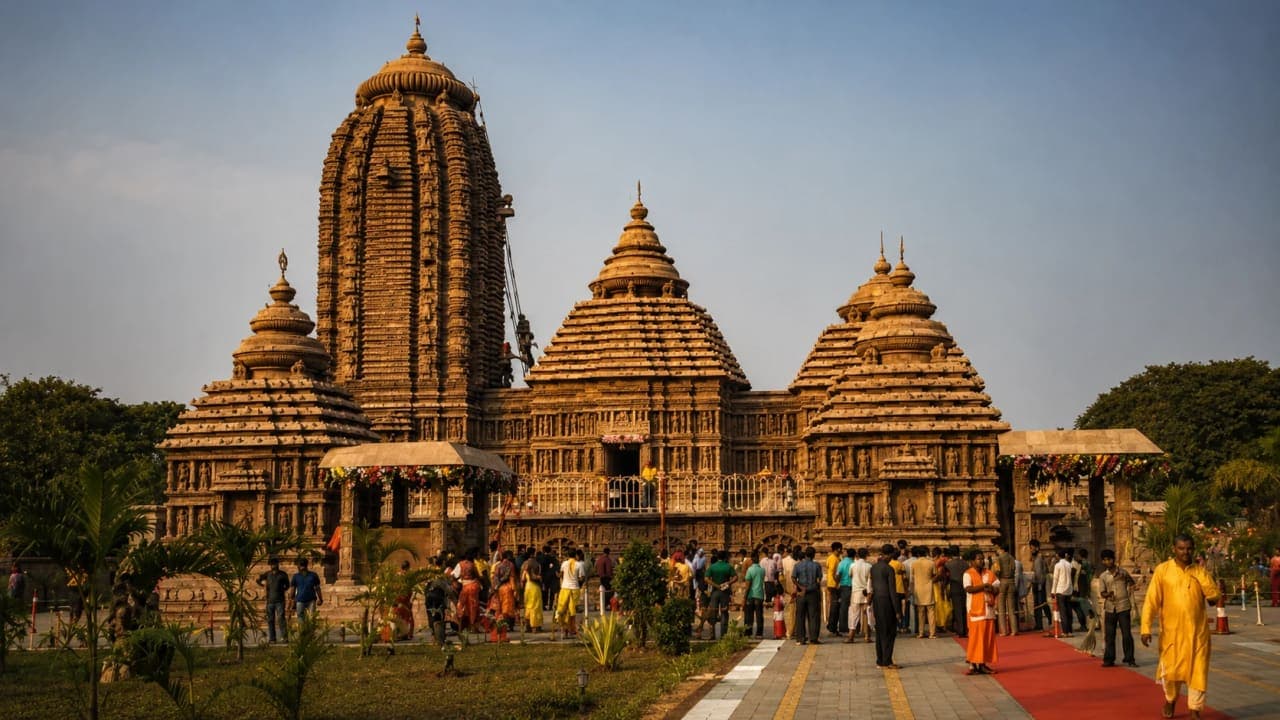
If one temple could win an award for the greatest number of mysteries associated with it, Jagannath Temple would certainly be among the strongest contenders.
Almost every visitor hears at least one astonishing story before leaving.
Often, they hear five.
Or ten.
Let's separate tradition from observation while appreciating why these stories remain so enduring.
The Flag That Appears to Defy the Wind
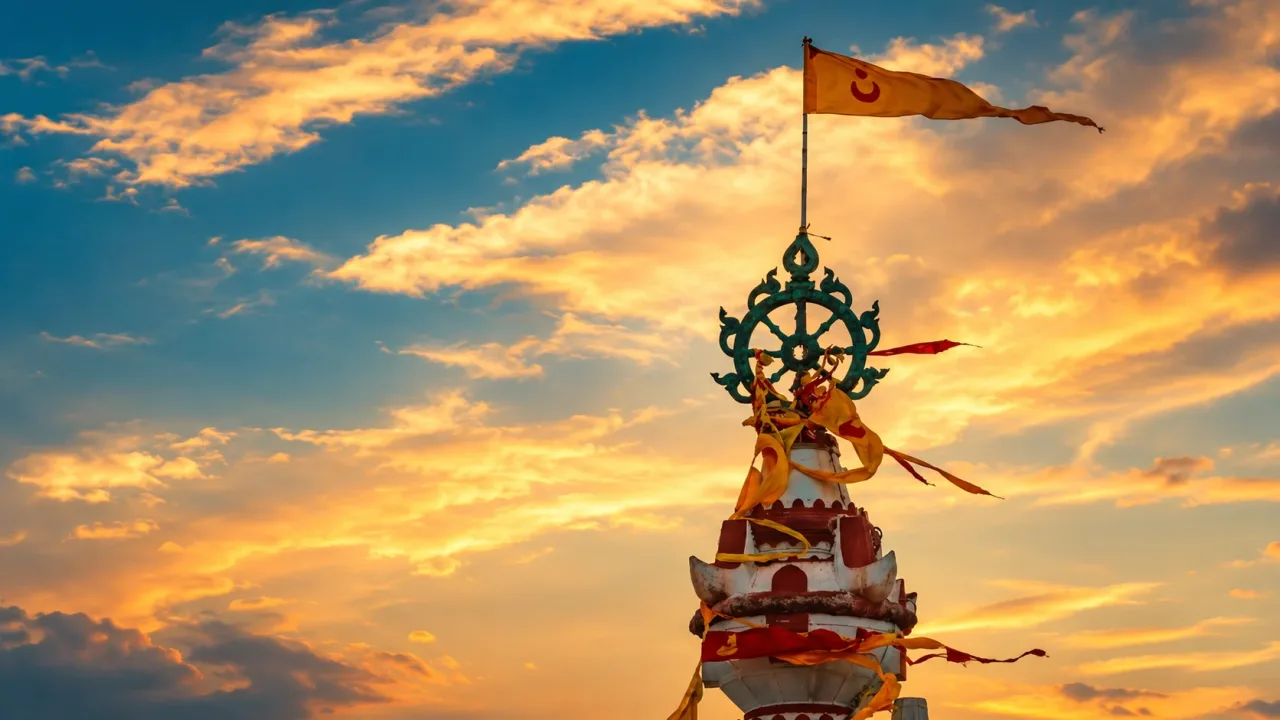
One of the most famous beliefs is that the temple flag appears to flutter against the direction of the wind.
Visitors often point upward trying to understand the phenomenon.
Some attribute it to unique airflow around the temple's towering structure.
Others see it as divine symbolism.
No conclusive scientific study has established that the flag consistently behaves contrary to the wind under all conditions, yet the story continues to fascinate pilgrims.
The Sudarshan Chakra
Mounted high above the temple is the Sudarshan Chakra.
Many visitors feel that no matter where they stand around the temple, the chakra appears to face directly toward them.
Architects suggest this effect may result from the symmetry of the design and visual perspective.
The experience, however, remains striking.
Birds Above the Temple
A popular belief states that birds rarely fly directly over the main temple.
While this claim is widely repeated, it has not been conclusively verified through scientific observation.
Nevertheless, it has become one of the temple's most enduring legends.
Mahaprasad That Never Runs Out
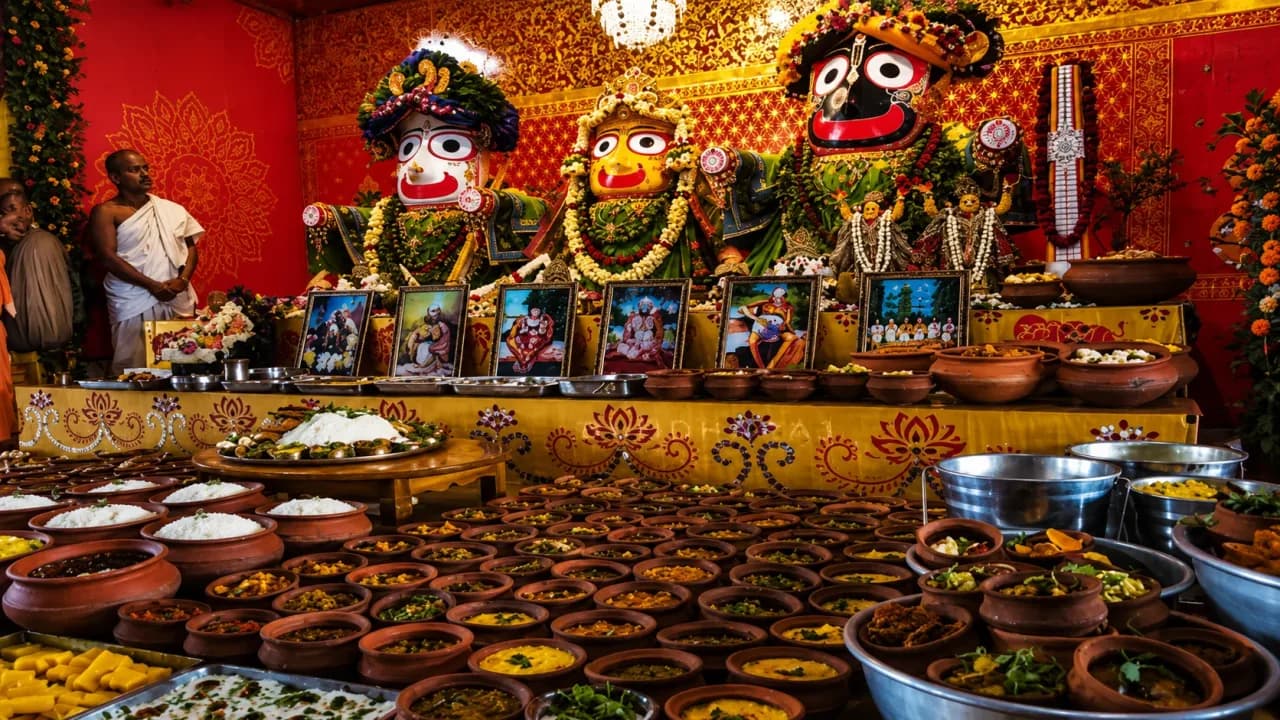
Every day, thousands of devotees receive Mahaprasad from the temple kitchens.
The scale of cooking is extraordinary.
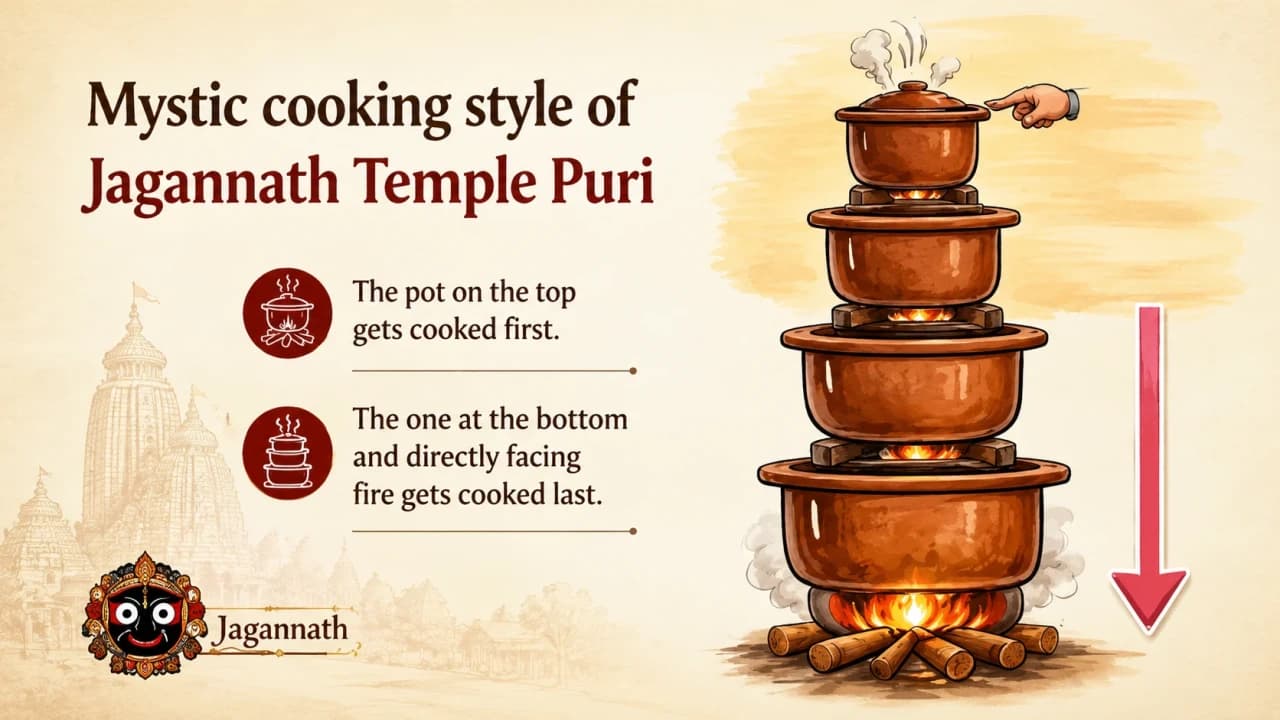
Traditional earthen pots are stacked one above another, and despite serving enormous crowds, devotees often remark that the food always seems sufficient.
This remarkable efficiency is likely the result of centuries of experience, careful planning, and temple management.
Yet for devotees, it remains another blessing of Lord Jagannath.
Where Faith Meets Tradition
Jagannath Temple reminds us that not every story survives because it is scientifically proven.
Some survive because generations continue telling them.
And sometimes those stories become just as important as the stones themselves.
So... Are These Mysteries Ever Going to Be Solved?
Perhaps some already have partial explanations.
Natural gas may explain the flames of Jwala Ji.
Engineering principles may explain the hanging pillar at Lepakshi.
Geology may explain parts of Kamakhya's sacred spring.
Architectural perspective may explain the Sudarshan Chakra.
Careful planning may explain the endless Mahaprasad.
But explanations rarely erase wonder.
That is the true beauty of these temples.
They stand at the meeting point of faith, history, architecture, geology, mathematics, mythology, and human imagination.
Whether you are a devotee seeking blessings, a traveller chasing stories, a historian searching for evidence, or simply someone who enjoys mysteries, each of these temples offers something unique.
Not every mystery needs to end with an answer.
Sometimes the journey of asking questions is what keeps these ancient places alive.
Long after the prayers fade and the crowds disperse, the stones remain.
Quietly guarding their stories.
Waiting for the next traveller to arrive... and wonder.
Lock in the takeaway
Spiritual Travel Stories
Frequently asked questions
Which is the most mysterious temple in India?
Many consider Kamakhya Temple, Padmanabhaswamy Temple, Jagannath Temple, Jwala Ji Temple, and Veerabhadra Temple among India's most mysterious temples because of their legends, unusual architecture, and unique traditions.
Why is Kamakhya Temple famous?
Kamakhya Temple is famous because it has no idol of the goddess. Devotees worship a natural rock formation, and the annual Ambubachi Mela celebrates the goddess's symbolic fertility according to Hindu tradition.
What is special about the hanging pillar at Lepakshi Temple?
One of the pillars inside Veerabhadra Temple appears partially suspended above the floor. Engineers admire it as an exceptional example of Vijayanagara-era structural design.
Why do flames burn continuously at Jwala Ji Temple?
Many geologists believe naturally occurring combustible gases emerging through underground rock fissures sustain the flames. Devotees believe the eternal flames are the divine manifestation of Goddess Jwala.
What is the mystery of Vault B in Padmanabhaswamy Temple?
Vault B remains unopened and is surrounded by legends of divine protection. While immense treasure has been documented in other temple vaults, stories surrounding Vault B remain matters of belief rather than verified history.
What are the famous mysteries of Jagannath Temple?
Popular traditions include the temple flag appearing to fly against the wind, the Sudarshan Chakra seeming to face every visitor, stories about birds rarely flying overhead, and the Mahaprasad never falling short despite feeding thousands.
Can science explain all these temple mysteries?
Some mysteries have scientific or engineering explanations, while others remain rooted in religious belief, folklore, and centuries-old traditions. The coexistence of faith and science is part of what makes these temples so fascinating.
Which temple should I visit first if I enjoy history and mysteries?
Jagannath Temple, Kamakhya Temple, and Lepakshi Temple are excellent choices for travellers interested in combining mythology, architecture, and history with unique local traditions.