
Listen to this article
Checking audio support
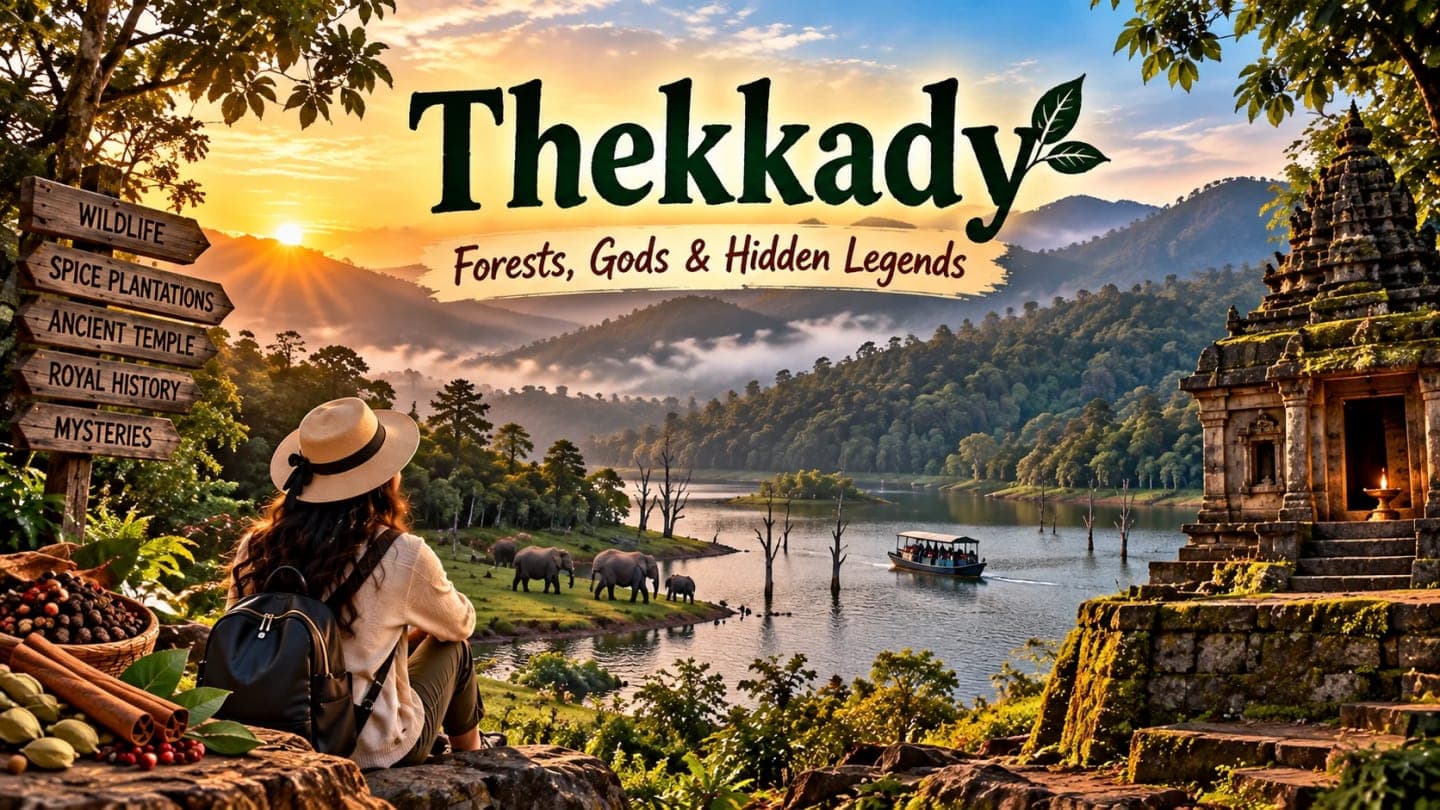
Thekkady: Forests, Gods & Hidden Legends
Some places are famous for their mountains. Some for their beaches. Some for their temples, history or mysterious stories.
And then there is Thekkady, a place in Kerala where forests, wildlife, spices, ancient beliefs and a few rather intriguing legends seem to exist together.
I had visited Thekkady during our Kerala trip, and at that time, I mostly knew it as a beautiful destination surrounded by greenery, spice plantations and wildlife. But later, when I started reading more about the place, I realised that Thekkady had a much older story to tell.
A story that began long before tourists arrived with cameras.
Before resorts, safari bookings and souvenir shops, these forests were part of a landscape shaped by powerful kingdoms, spice trading, indigenous communities and sacred traditions.
And there is something about Thekkady that makes all those stories feel possible.
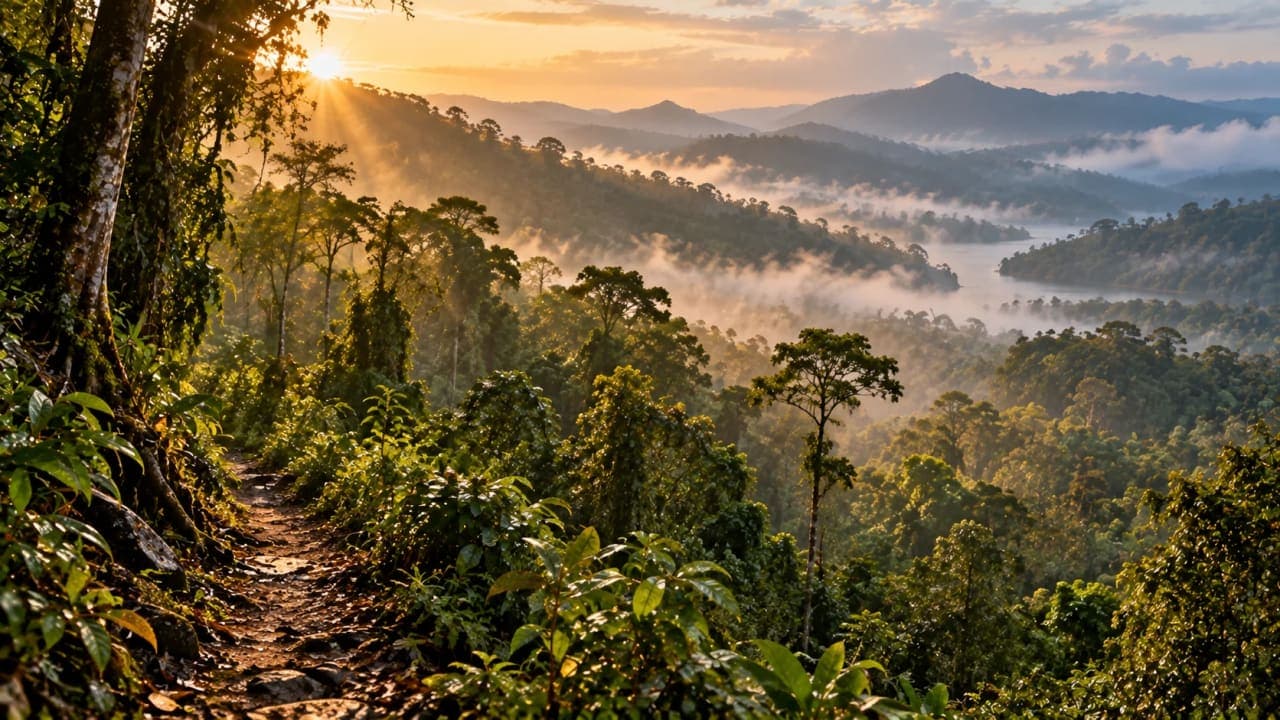
Perhaps it's the thick forests where you cannot see beyond a few metres. Perhaps it's the mist that settles over the hills. Or perhaps it's simply the thought that somewhere beyond those trees, wild elephants are walking along paths that existed long before our roads.
But the question that made me most curious was this:
Was Thekkady always a wildlife destination, or was there something else here before the world discovered its forests?
And what about the stories of gods, sacred groves and mysterious spirits that have survived in the hills of Kerala?
Let's find out.
What Is Thekkady Famous for Today?
If someone asks what Thekkady is famous for, the first answer is usually Periyar Tiger Reserve.
Located in Kerala's Idukki district, close to Kumily and the Tamil Nadu border, Thekkady sits within the Western Ghats, one of India's richest regions for biodiversity.
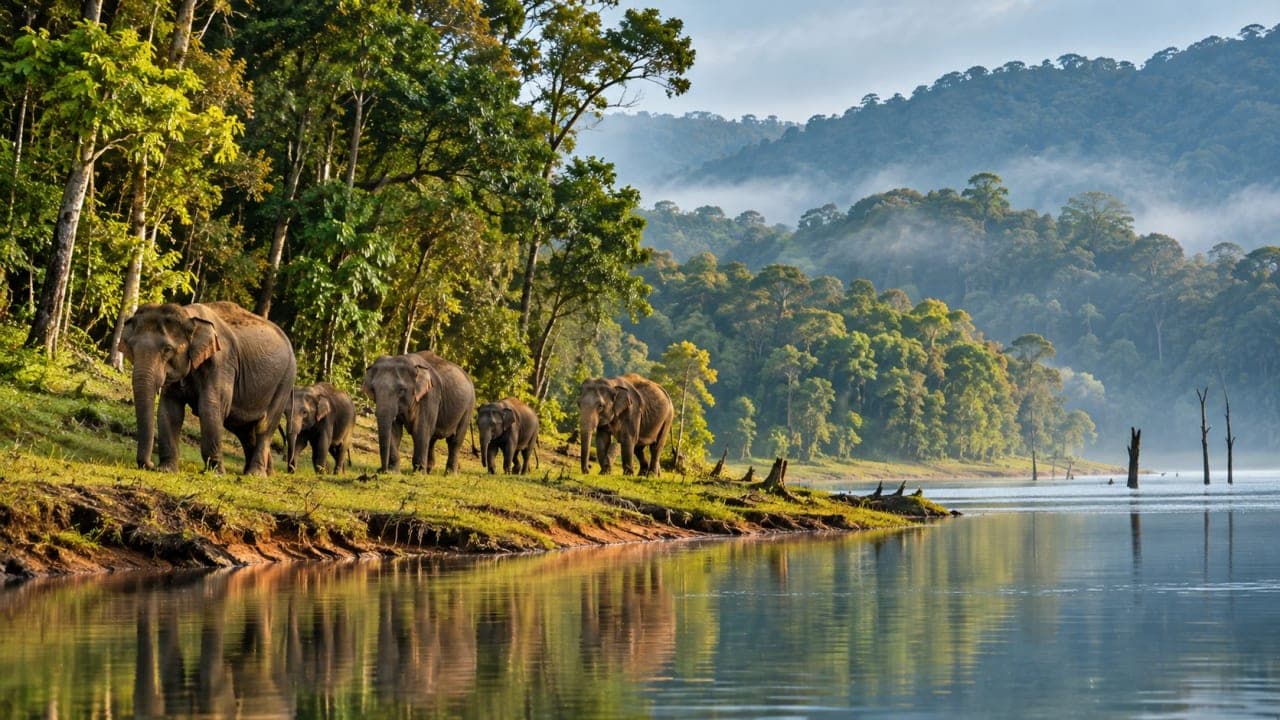
The Periyar Tiger Reserve covers approximately 925 square kilometres and is home to elephants, tigers, gaur, sambar deer, birds and numerous other species.
But here is the funny thing.
Even though it is called a tiger reserve, visiting Thekkady doesn't mean a tiger will politely appear for your photographs.
In fact, spotting a tiger can be extremely difficult.
The forests are dense, the animals are wild, and they have absolutely no obligation to entertain tourists.
Elephants, however, are among the animals visitors hope to spot, particularly near the lake. Thekkady is also famous for boat rides on Periyar Lake, guided nature walks, bamboo rafting and other forest experiences.
Then there are the spice plantations.
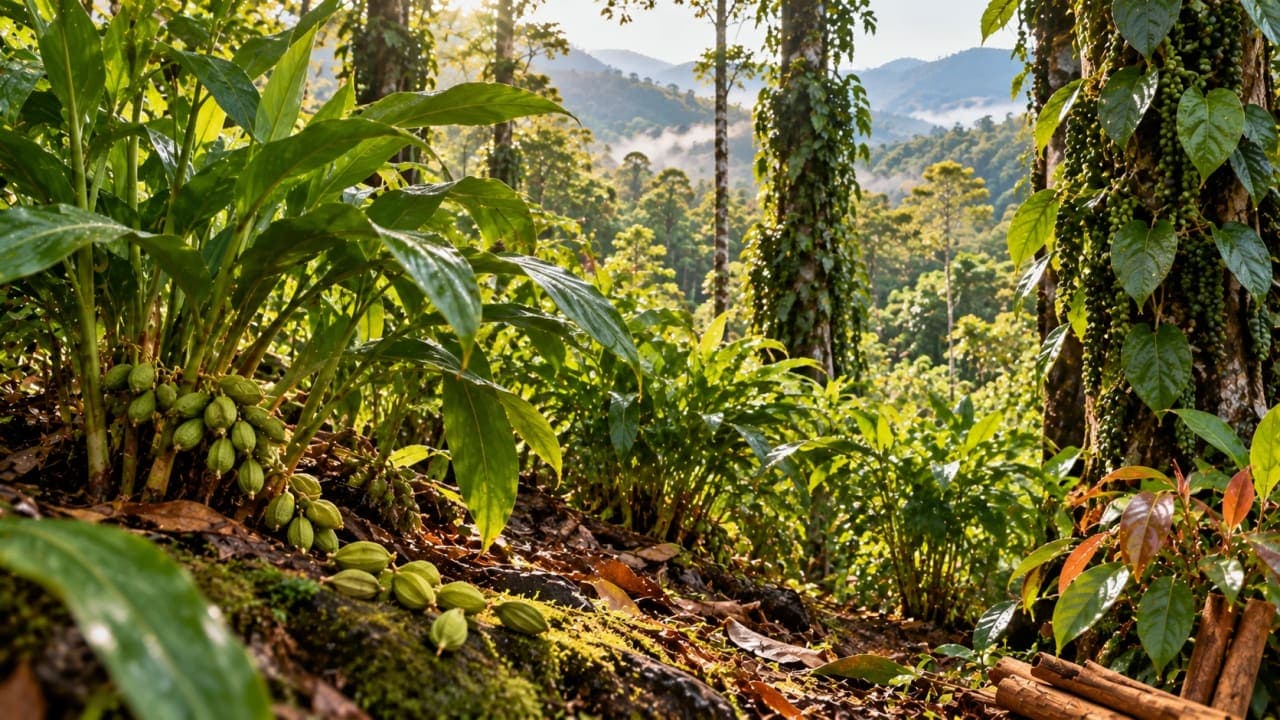
Cardamom, pepper, cinnamon, cloves and other spices have helped give the region its distinctive identity. Walk into a spice garden and suddenly ordinary ingredients from your kitchen begin looking like something far more interesting.
I remember visiting plantations during our Kerala journey, and learning about the plants made me realise how little we usually think about the origins of everyday spices.
But Thekkady wasn't always known for wildlife tourism.
Its earlier reputation was rather different.
Before the Safaris, These Were Royal Hunting Grounds
Imagine Thekkady two hundred years ago.
No safari boats filled with tourists.
No wildlife photography groups.
No forest resorts advertising peaceful holidays.
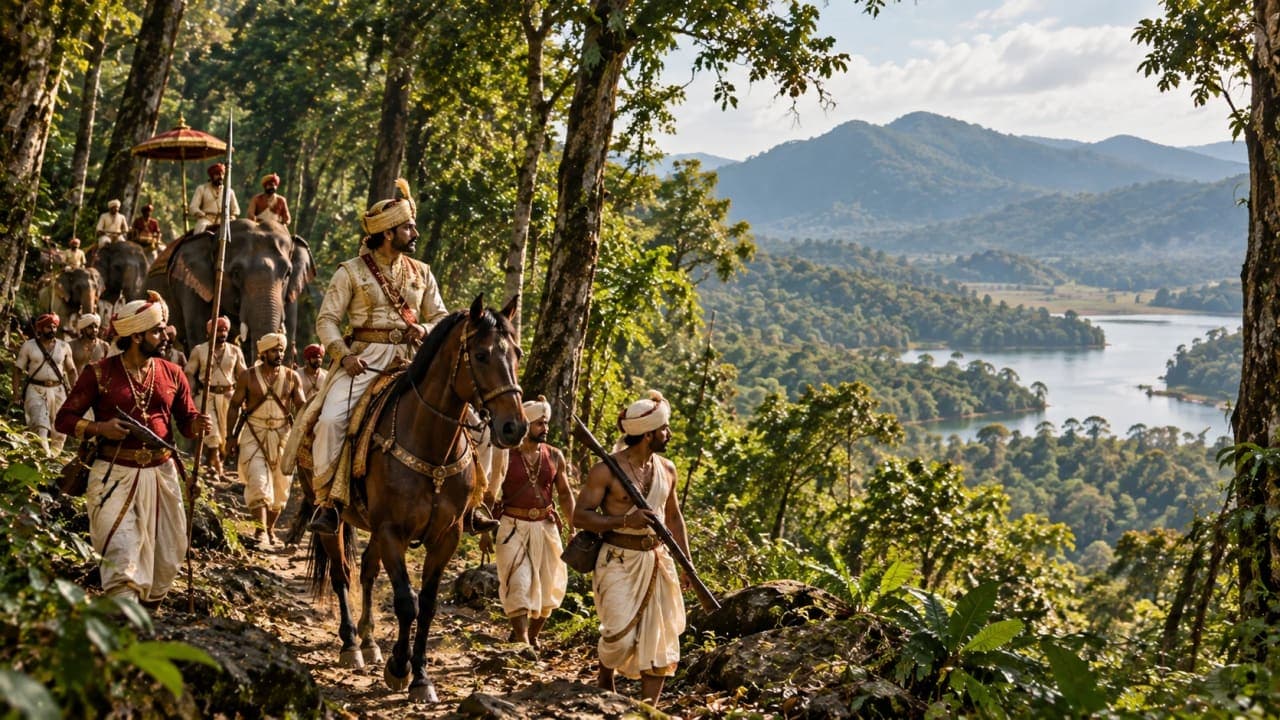
Instead, parts of the Periyar forests were used as hunting grounds by the rulers of Travancore during the eighteenth and nineteenth centuries.
The forests were valued for the very animals that visitors now come hoping to see alive.
There was even a royal retreat called Edapalayam Lake Palace, used by guests of the Travancore royal family.
The palace still survives as a heritage property within the Periyar landscape.
And here is an interesting twist.
One of the earliest reasons for protecting the forest wasn't modern wildlife conservation in the way we understand it today.
In 1899, the Periyar Lake Reserve was established partly to protect the royal hunting area from the expansion of tea plantations.
So the forest was being protected—but initially for very different reasons.
In 1934, the area became the Nellikkampatty Game Sanctuary. It was later expanded into the Periyar Wildlife Sanctuary in 1950 and included under Project Tiger in 1978.
A landscape once associated with royal hunting gradually became a place dedicated to protecting wildlife.
History does enjoy an unexpected reversal.
The Lake That Wasn't Always There
Now comes another surprise.
That beautiful lake you see in photographs of Thekkady?
It isn't entirely natural.
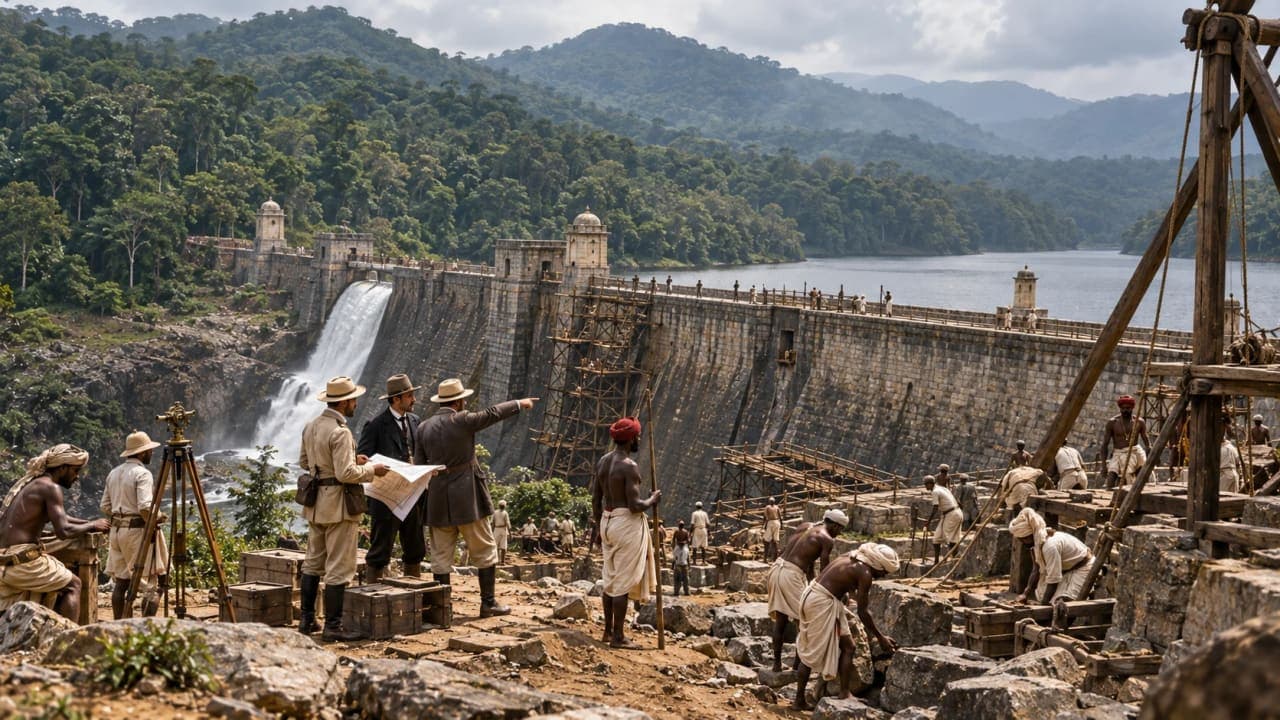
Periyar Lake was created after the construction of the Mullaperiyar Dam, completed in 1895 during British rule.
The dam was built across the Periyar River to divert water eastward towards the drier regions of present-day Tamil Nadu.
Construction began in 1887 under the leadership of British engineer John Pennycuick, and the project fundamentally changed the valley.
The reservoir flooded parts of the original landscape, creating the waterbody that later became one of Thekkady's defining attractions.
So when visitors take a boat ride across Periyar Lake, they're travelling through a landscape transformed by nineteenth-century engineering.
And there is something strangely atmospheric about the lake.
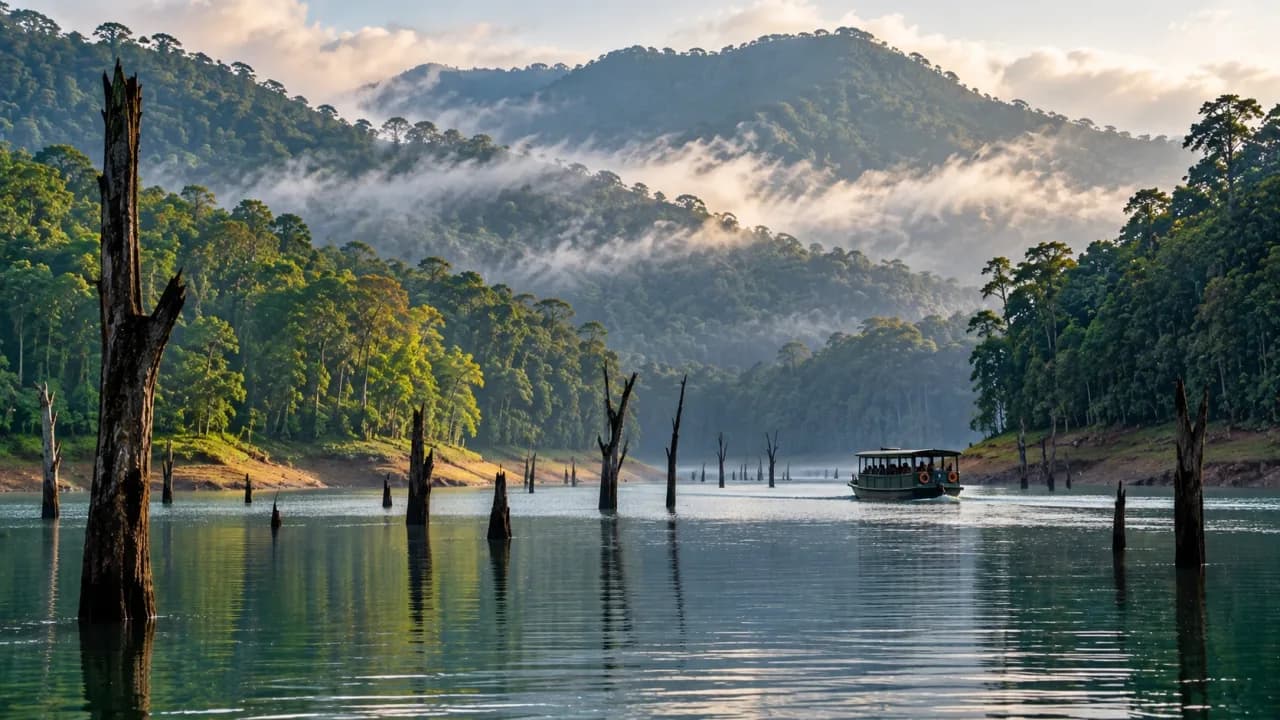
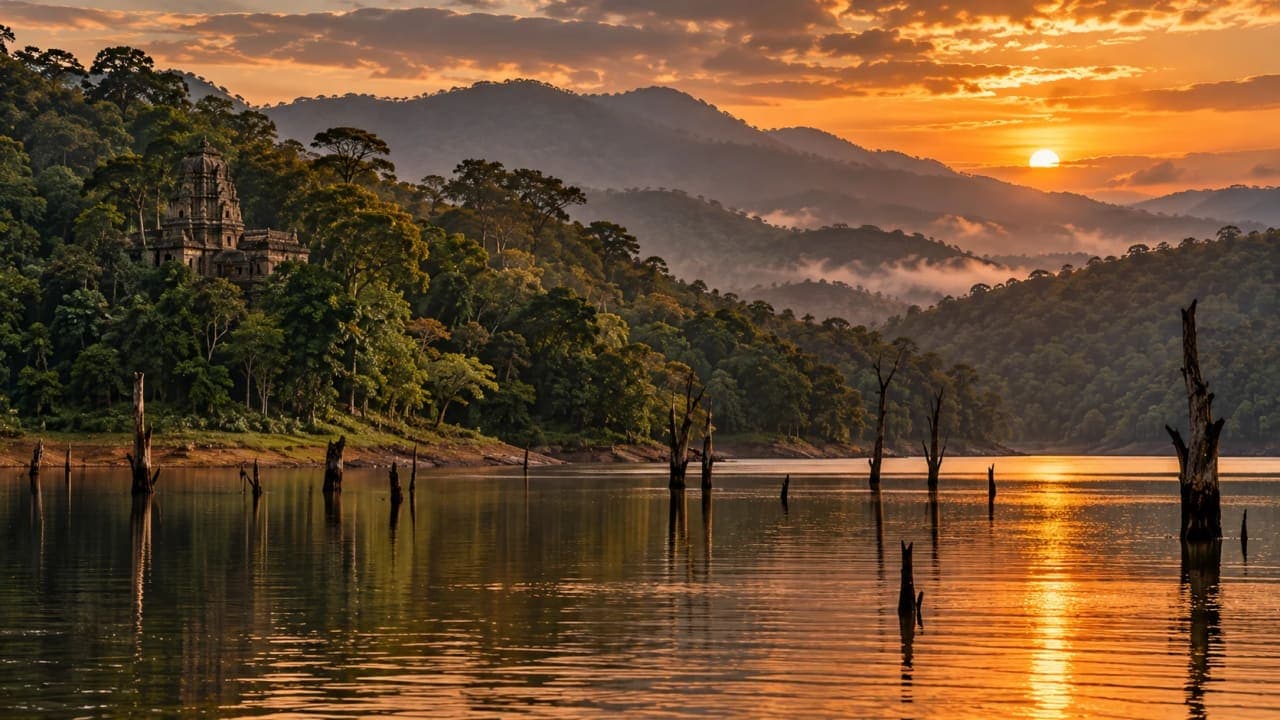
In places, the remains of old tree trunks rise from the water, creating a haunting appearance.
Imagine the valley before the reservoir existed.
Trees growing where boats now pass.
Forest paths where there is now water.
Then imagine the dam being completed and the valley slowly filling.
It almost feels like a lost landscape hidden beneath the lake.
Not a supernatural mystery.
But certainly an intriguing piece of history.
The Goddess Who Burned an Entire City
Now we reach the part of Thekkady's story that I find most fascinating.
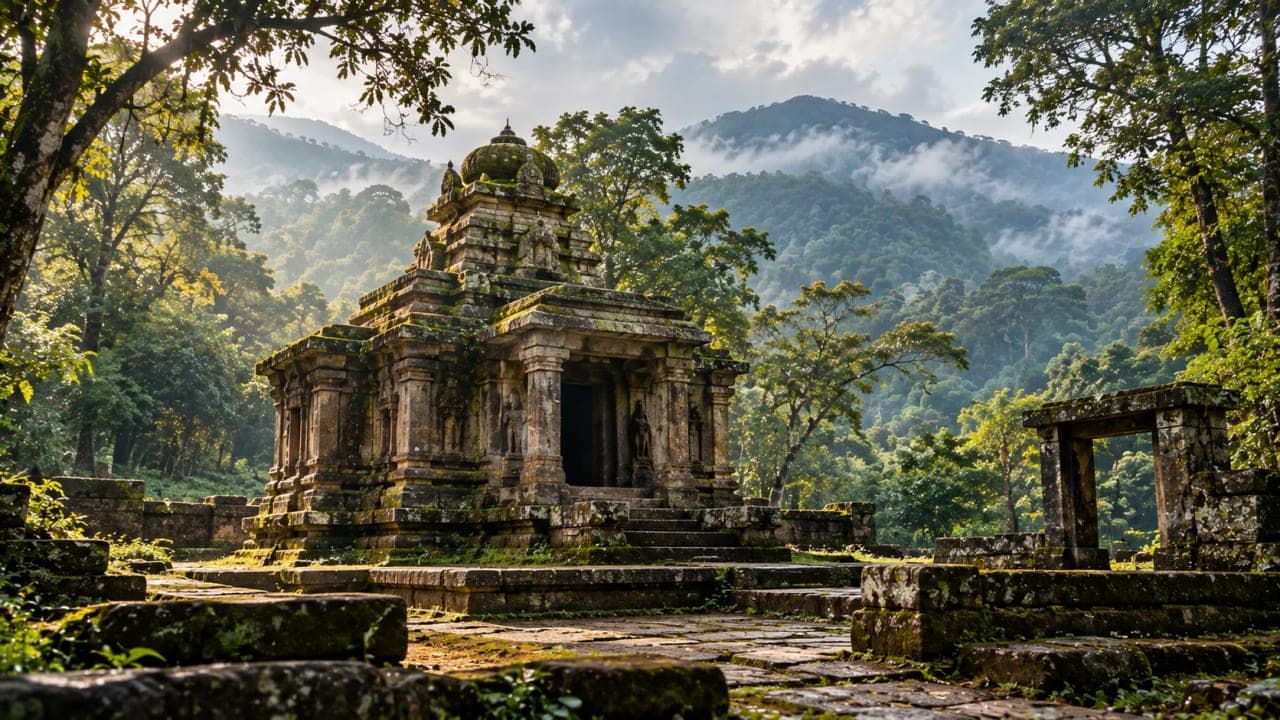
Deep inside the forests of Periyar stands an ancient temple dedicated to Goddess Mangaladevi, also known as Kannagi.
And the legend behind this temple is anything but ordinary.
It involves love, betrayal, a stolen-anklet accusation, an unjust execution and a woman whose anger was believed to have destroyed an entire city.
The story comes from the ancient Tamil epic Silappatikaram, traditionally attributed to Ilango Adigal.
According to the epic, Kannagi was married to a merchant named Kovalan.
After a complicated period in their marriage, the couple travelled to Madurai hoping to rebuild their lives.
Kovalan attempted to sell one of Kannagi's anklets.
Unfortunately, the queen of Madurai had recently lost an anklet, and a dishonest goldsmith accused Kovalan of stealing it.
The Pandya king ordered Kovalan's execution without properly investigating the accusation.
When Kannagi learned what had happened, she confronted the king.
She produced her remaining anklet and proved that hers contained different jewels from the queen's.
Her husband had been innocent.
But by then, it was too late.
And this is where the story turns extraordinary.
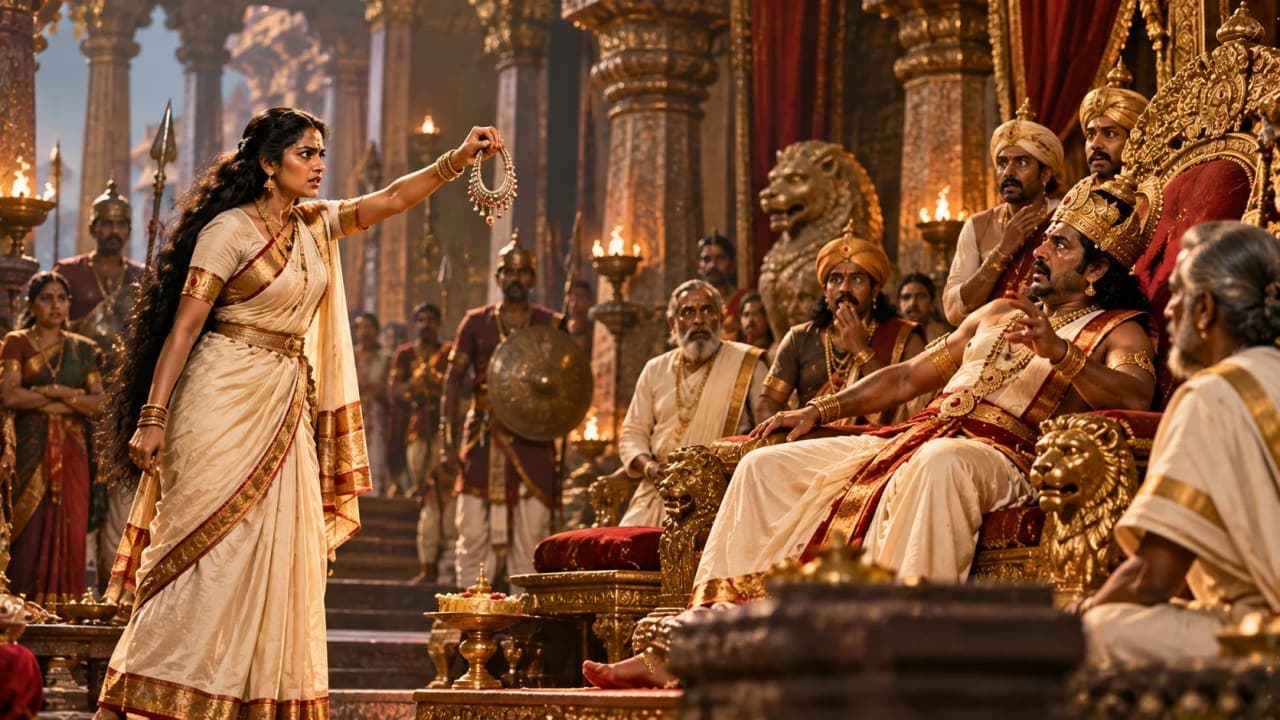
According to the legend, Kannagi's grief and anger became so powerful that she cursed Madurai and caused the city to burn.
The story is a literary and religious tradition, not a verified historical account of a supernatural fire. Yet Kannagi became a powerful symbol of justice, loyalty and the consequences of abusing royal authority.
But what does this have to do with Thekkady?
The legend doesn't end in Madurai.
The Woman Who Became a Goddess in the Forest
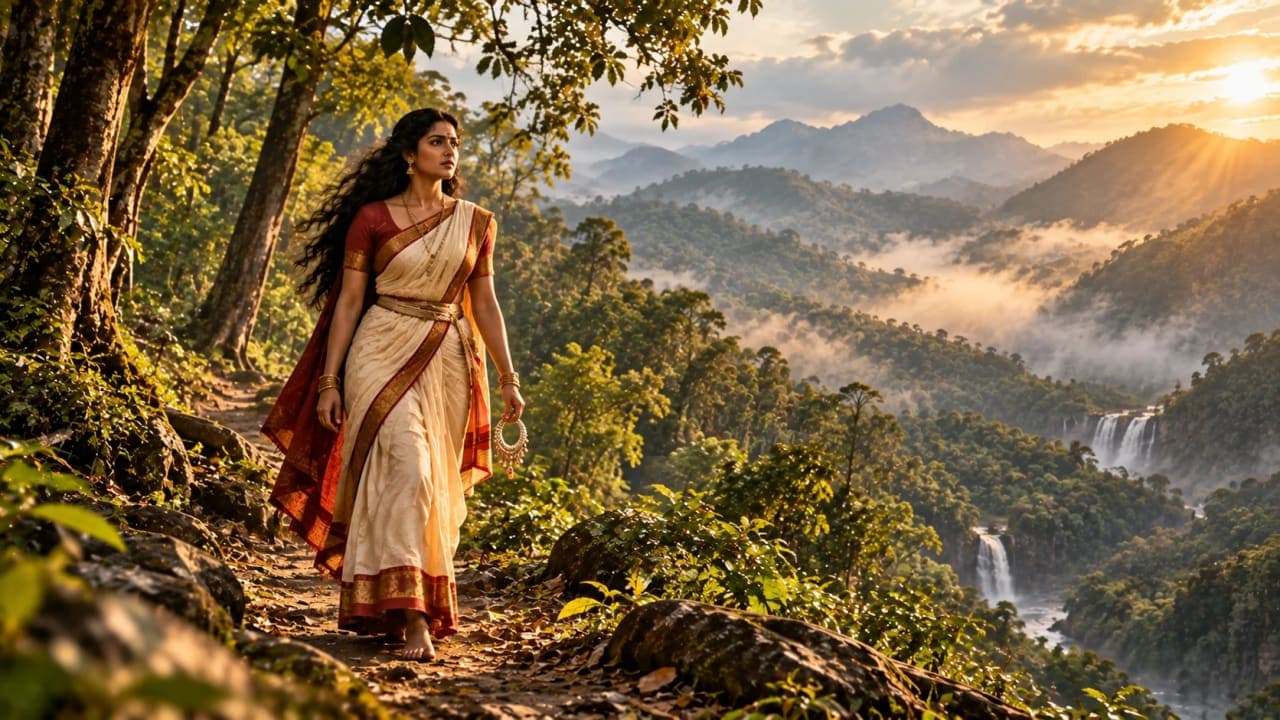
According to local tradition, after cursing Madurai, Kannagi travelled into the hills of the Western Ghats.
Her journey eventually became associated with the forests around present-day Thekkady.
Here, the grieving woman of the epic came to be worshipped as Mangaladevi, a divine figure representing justice and moral strength.
The Mangaladevi Temple stands at an altitude of approximately 1,337 metres, surrounded by the dense forests of the Periyar Tiger Reserve.
Kerala Tourism describes it as an ancient granite temple, generally considered around a thousand years old, although its precise construction date is uncertain. Local tradition attributes its establishment to the Chera king Chenguttuvan, who is believed to have honoured Kannagi.
And here's what makes the temple particularly mysterious.
It isn't a temple you can casually visit whenever you feel like it.
How is it so far?
Vote with other readers
Worshippers are generally allowed during the annual Chithra Pournami festival, celebrated around April or May. Other visits require special permission from forest authorities.
Imagine an ancient temple standing silently inside a protected forest for much of the year.
Then, on one special day, devotees travel through the hills to worship a woman whose legendary anger was powerful enough to destroy a kingdom's capital.
That is quite a story for a place better known for elephants and spice gardens.
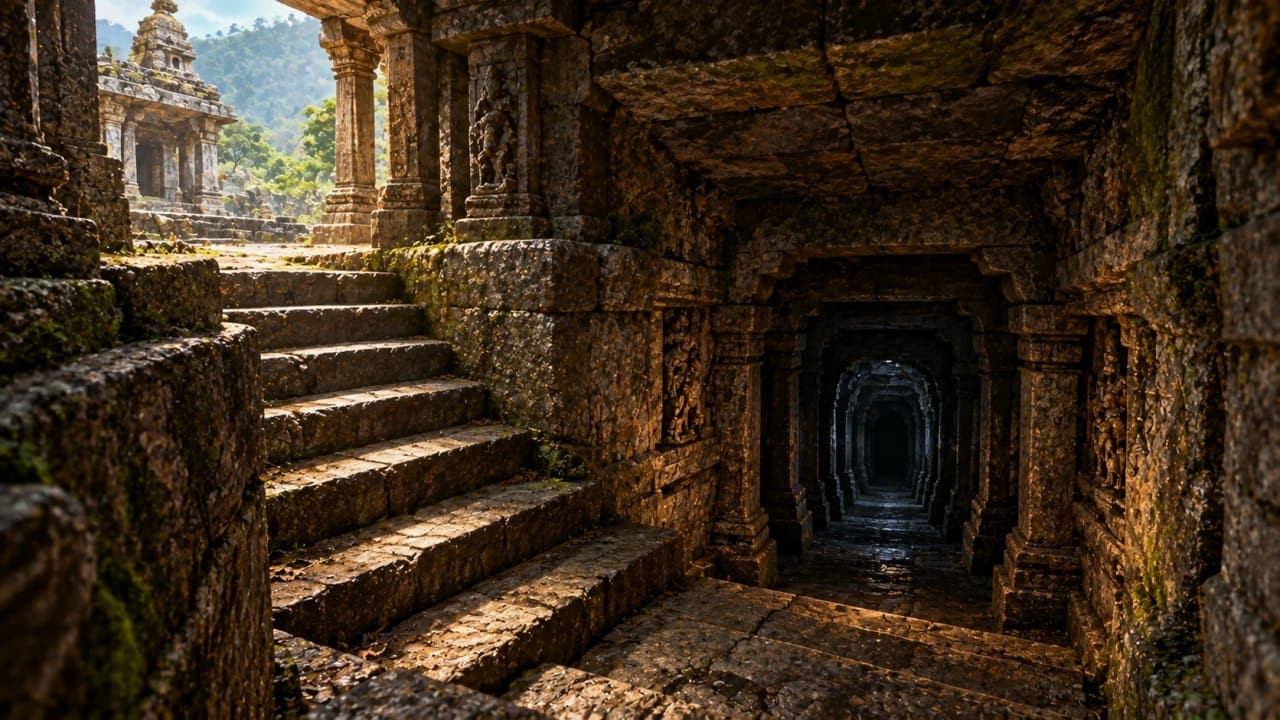
The Secret Tunnel Beneath Mangaladevi Temple
And just when you think Kannagi's legend is dramatic enough, the temple has another story.
A secret underground passage.
According to local folklore recorded by Kerala Tourism, there was once an underground passage beneath the temple.
But where did it lead?
Some traditions say it connected the temple to the famous Meenakshi Temple in Madurai.
Others claim that it reached the palace of the Pandya king.
Imagine that for a moment.
An ancient stone temple hidden in the mountains.
A secret passage running beneath it.
And somewhere far away, the royal city of Madurai.
It sounds like the beginning of an adventure film.
But before anyone starts searching for a hidden entrance, there is an important distinction: no verified archaeological evidence establishes the existence of a tunnel connecting Thekkady to Madurai.
The passage belongs to local folklore, not confirmed engineering history.
Still, I find it fascinating that a temple already connected with the destruction of Madurai should also have legends about a hidden route leading back to that very city.
Coincidence?
Probably.
A wonderful storytelling detail?
Absolutely.
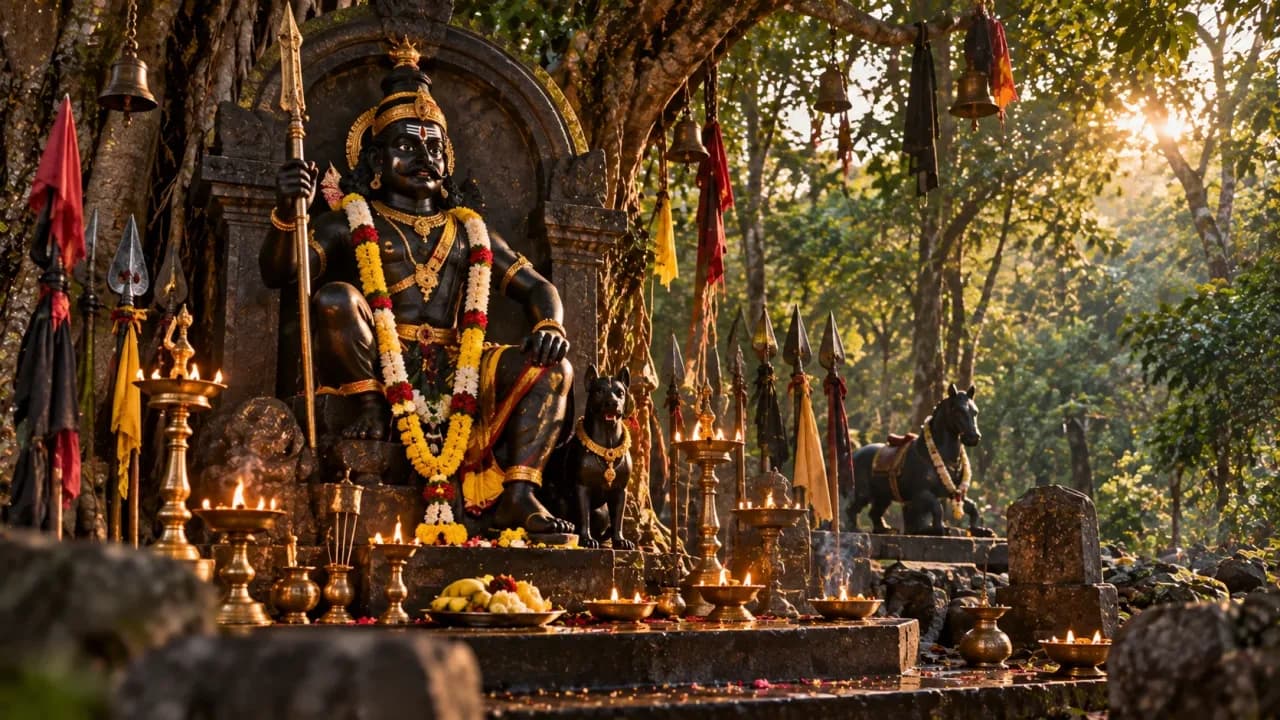
A Guardian Deity With a Fierce Reputation
Mangaladevi Temple has another interesting connection to divine protection.
Within its ancient stone complex are shrines associated with Karuppa Swamy, Lord Shiva and Lord Ganapathy.
Karuppa Swamy is especially intriguing.
In Tamil folk religious traditions, Karuppa Swamy is revered as a powerful guardian deity, often associated with justice, protection and the safeguarding of sacred places.
His iconography can appear fierce, sometimes involving weapons that symbolise authority and protection.
But that doesn't make him a devil.
In fact, the opposite is true.
He is worshipped as a protector.
The temple's association with Karuppa Swamy adds another layer to its religious identity, bringing together Kannagi's legend of justice with traditions of divine guardianship.
I couldn't find a reliably documented, Thekkady-specific devil legend that could honestly be presented as local history. And really, between an ancient goddess, a cursed city, a guardian deity and a supposed underground tunnel, Thekkady already has enough mysterious stories without inventing a demon.
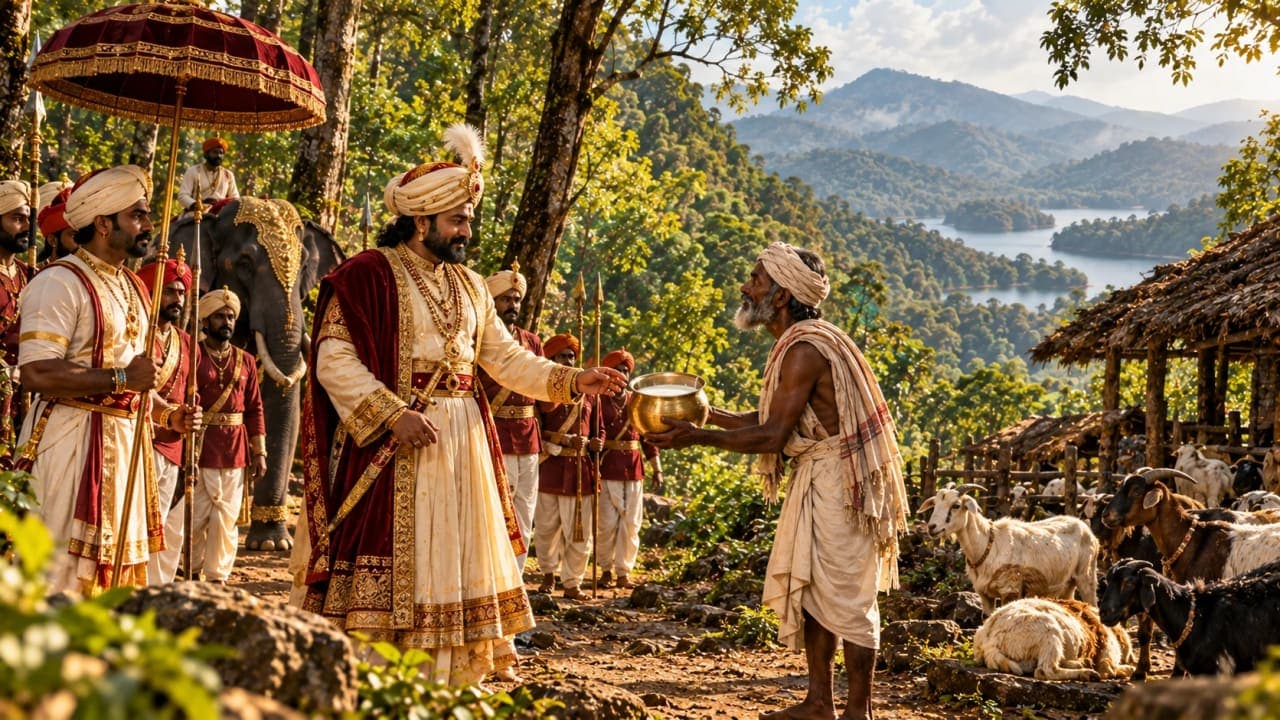
The King Who Got Lost in the Forest
Now, let's leave the temple for a moment.
Because the forests around Thekkady have another story, and this one involves a king, a shepherd and an unexpected reward.
According to one local account, a shepherd named Ankur Rawther helped the Maharaja of Travancore and his entourage find their way out of the forest after they became lost during a hunting expedition.
The grateful king supposedly rewarded him with a large area of forestland.
But another version tells a different story.
It says that when the Maharaja visited the region during the construction of the Mullaperiyar Dam in the 1890s, Ankur Rawther offered him sheep's milk.
The king was so touched by his hospitality that he gifted him land.
Both stories are recorded in Kerala Tourism's history of Kumily, but neither should be treated as a fully verified account of the land grant.
I actually love that there are two versions.
In one, the man rescues a lost king.
In the other, he simply offers him milk.
And somehow both stories end with the same reward.
Which one happened?
Perhaps neither happened exactly as remembered.
But they offer a glimpse into how the region's early settlement history has been passed down through generations.
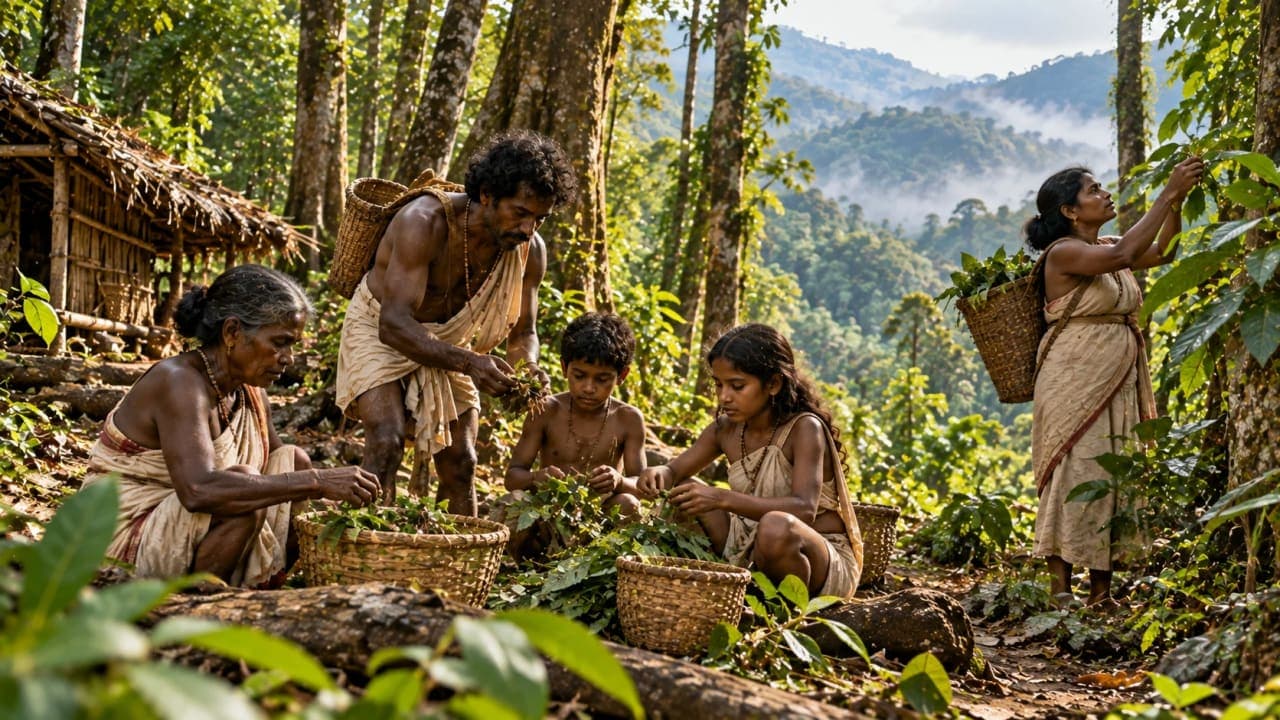
The Forest Communities Who Were Here Before the Tourists
There is another important part of Thekkady's history that often receives less attention.
Its indigenous communities.
The Periyar region has long been associated with communities including the Mannan, Paliyan, Urali, Malayarayan and Malampandaram peoples.
Their relationship with the forests predates modern wildlife tourism.
Fishing, small-scale cultivation, forest produce, traditional knowledge and cultural practices shaped their lives.
Some communities continue to preserve rituals connected with ancestors and the forest. Kerala Tourism also records traditional stone structures used to honour the dead.
One particularly unusual fact is that the Mannan community maintains a traditional institution of kingship.
A king?
In the forests around Thekkady?
Yes, though this is a traditional cultural institution, not a separate political kingdom.
Today, community members also participate in conservation and ecotourism activities, including guiding visitors through the forest.
And that is worth remembering.
Thekkady's history doesn't begin with British engineers or royal hunting parties.
People were living with and understanding these forests long before the modern reserve existed.
The Spices That Made These Hills Valuable
Long before tourists started buying packets of cardamom as souvenirs, the wider Kerala spice trade had already connected the region to distant markets.
Pepper, cardamom, cinnamon and other spices were valuable commodities that attracted merchants from across Asia and eventually European trading powers.
The spice trade was one of the forces that shaped Kerala's economic and political history.
Thekkady and neighbouring Kumily later developed into important plantation areas, especially for cardamom.
In fact, Kerala Tourism identifies Kumily as a major centre of cardamom production and nearby Vandanmedu as one of the world's important cardamom auction centres.
This is something I find particularly amusing.
Today, you might sprinkle a little cardamom into your tea without giving it a second thought.
But spices helped shape trade routes, fortunes and even imperial ambitions.
The hills around Thekkady weren't simply beautiful.
They were economically valuable.
And in some ways, their aroma was part of what connected them to the wider world.
Even the Name Thekkady Has a Forest Story
Here is a small detail I particularly liked.
According to Kerala Tourism, the name Thekkady is derived from the Malayalam word thekku, meaning teak.
So even the name of the place is connected with trees.
It seems appropriate for a destination where forests are central to almost everything.
The wildlife.
The climate.
The history.
The local communities.
Even the legends.
Thekkady's identity has always been tied to the forest.
What Makes Thekkady's Forests So Mysterious?
There is a difference between a place having documented supernatural stories and a place simply feeling mysterious.
Thekkady belongs strongly to the second category.
Imagine standing near Periyar Lake early in the morning.
Mist is rising from the water.
The forest is almost silent.
Then you hear something moving among the trees.
You can't see what it is.
Perhaps it's a deer.
Perhaps a gaur.
Perhaps an elephant.
Or perhaps it's only a branch falling.
The forest doesn't explain itself.
That uncertainty is part of its attraction.
And unlike the legends, the wildlife is very real.
Periyar's evergreen and semi-evergreen forests, moist deciduous woodland and grasslands support a remarkable variety of animals and plants.
The forests are also part of the Western Ghats, a region internationally recognised for its exceptional biodiversity.
Sometimes nature doesn't need ghosts to feel mysterious.
It simply needs to hide most of what is happening.
Thekkady Isn't Just One Story
When I first visited Thekkady, I thought of it mainly as another beautiful destination in Kerala.
A place of green hills, spice gardens, winding roads and wildlife.
And it certainly is all of those things.
But now, when I think about it, I see several different versions of Thekkady existing together.
There is the Thekkady of the Pandya and Travancore kingdoms.
The Thekkady of royal hunting expeditions.
The Thekkady transformed by the Mullaperiyar Dam.
The Thekkady of indigenous communities and their traditions.
The Thekkady of valuable spices.
The Thekkady where a woman from an ancient epic became a goddess worshipped in a remote forest temple.
And somewhere among all those stories is a supposed secret tunnel leading back to Madurai.
It is almost unfair how much history one destination manages to hide behind its greenery.
The Secret of Thekkady Isn't One Single Mystery
Perhaps that is what I find most enjoyable about learning the stories behind places I have already visited.
You go somewhere thinking you understand what makes it famous.
Then you return home, begin reading, and discover an entirely different world behind the photographs.
Thekkady is famous today for its wildlife, Periyar Lake, elephants, forest adventures and spice plantations.
But its past includes royal hunting grounds, colonial engineering, ancient trade, indigenous traditions and sacred legends.
And its most dramatic story isn't even about a tiger.
It's about Kannagi, a woman whose legendary fight for justice ended with the burning of Madurai and whose memory survives in an ancient temple hidden in the Periyar hills.
So the next time I visit Thekkady, I know I will look at it differently.
I will still enjoy the greenery.
I will still be curious about the wildlife.
And I will probably still stop at a spice garden.
But somewhere in the back of my mind, I will also be thinking about that ancient temple, the lost king, the submerged forest and the secret passage that folklore says once led to Madurai.
Because Thekkady isn't merely a place where nature has preserved its beauty.
It's a place where history, faith and folklore have all found somewhere to hide.
And the more you discover, the more you realise that the forests may be keeping a few stories to themselves.
Lock in the takeaway
Kerala Travel Stories
Frequently asked questions
What is Thekkady famous for?
Thekkady in Kerala is famous for Periyar Tiger Reserve, wildlife, elephants, boat rides on Periyar Lake, spice plantations, forest walks and the nearby Mangaladevi Temple.
What was Thekkady famous for in the past?
Parts of the Periyar forest were once used as hunting grounds by the rulers of Travancore. The region later became important for wildlife conservation, spice plantations and forest tourism.
What is the history of Periyar Lake?
Periyar Lake was created when the Mullaperiyar Dam was completed in 1895. The reservoir flooded parts of the valley, creating the distinctive lake landscape that is now a major attraction in Thekkady.
What is the legend of Mangaladevi Temple?
Local tradition connects Mangaladevi Temple with Kannagi, the heroine of the Tamil epic Silappatikaram. According to the legend, Kannagi exposed an injustice that led to her husband's execution and cursed Madurai, causing the city to burn. She later became associated with the goddess worshipped at the temple.
Where is Mangaladevi Temple located?
Mangaladevi Temple stands inside the forested landscape of Periyar Tiger Reserve, near Thekkady in Kerala, at an elevation of approximately 1,337 metres.
Why is Mangaladevi Temple considered mysterious?
The temple's remote forest location, restricted access and legends connecting it with Kannagi give it a mysterious reputation. Its association with an ancient Tamil epic adds to its historical and religious significance.
Is there a secret tunnel beneath Mangaladevi Temple?
Local folklore tells of an underground passage supposedly connecting Mangaladevi Temple with Madurai or the Pandya king's palace. However, no verified archaeological evidence establishes the existence of such a tunnel.
Who was Kannagi?
Kannagi is the central female character of the Tamil epic Silappatikaram. She is remembered for confronting a king after her husband was unjustly executed and is revered in several South Indian traditions as a symbol of justice and fidelity.
What is the connection between Thekkady and Travancore royalty?
Parts of the Periyar forest were used as royal hunting grounds by Travancore rulers. The wider region also contains historical associations with royal retreats and stories about early settlement.
Who was John Pennycuick, and what was his connection to Thekkady?
John Pennycuick was a British engineer associated with the construction of the Mullaperiyar Dam, completed in 1895. The dam transformed the Periyar Valley and created the reservoir now known as Periyar Lake.
Which animals can be found in Thekkady?
Periyar Tiger Reserve supports elephants, tigers, gaur, sambar deer, wild boar, numerous bird species and other wildlife. Sightings depend on the season, conditions and luck.
Why is Thekkady famous for spices?
Thekkady and neighbouring Kumily are known for plantations growing cardamom, pepper, cinnamon and other spices. The wider region has long been connected with Kerala's important spice-growing and trading traditions.