
Listen to this article
Checking audio support
Bisrakh: The Village Where Ravana Is Remembered, Not Burned
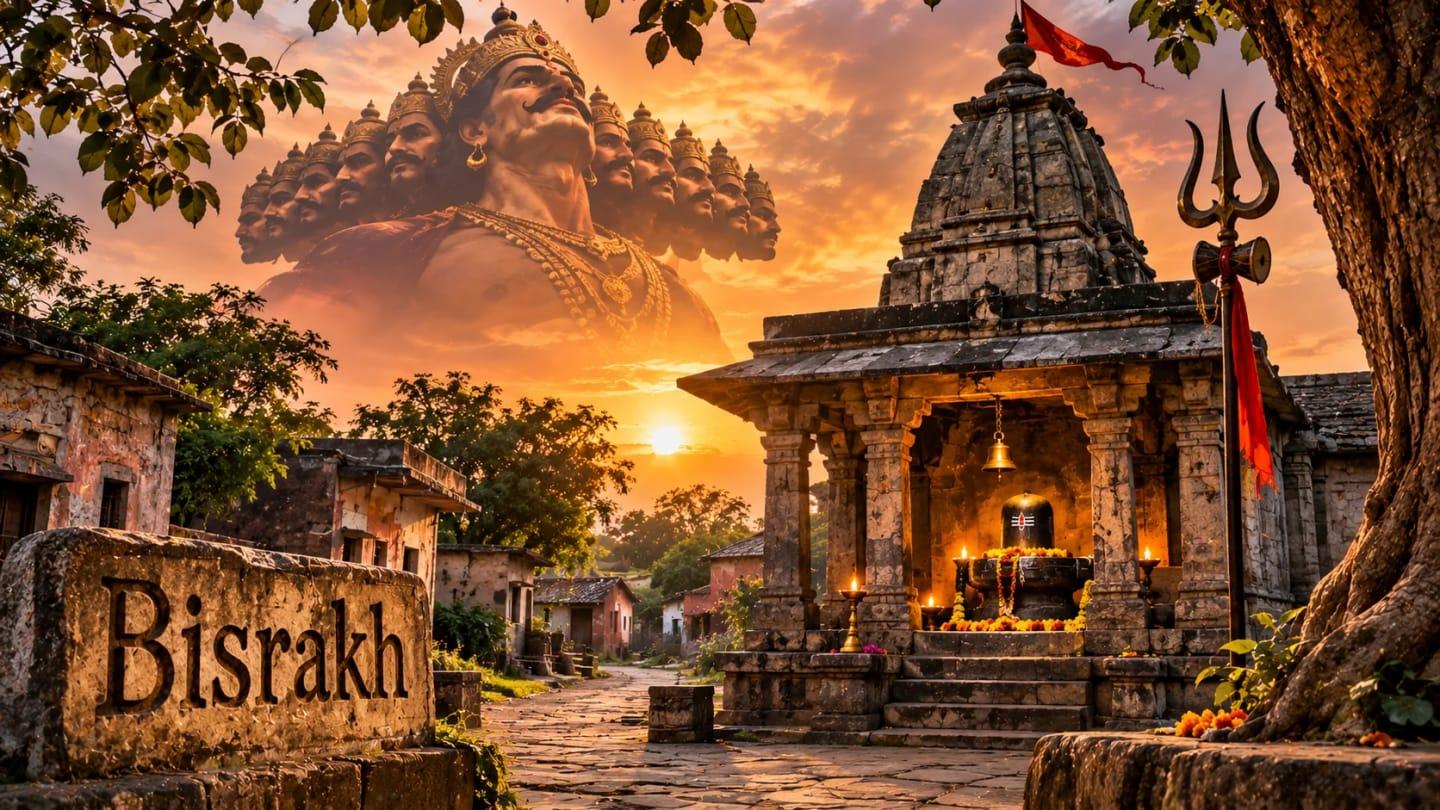
Just outside Greater Noida lies a village where Dussehra is a day of remembrance, Ravana is considered a son of the soil, and an ancient Shiva temple is said to conceal a passage leading to another sacred shrine. But how much of Bisrakh's extraordinary story is history, and how much belongs to legend?
Imagine living in a place where the rest of the country celebrates the defeat of someone your village considers its own.
Every year, as Dussehra approaches, enormous effigies of Ravana appear across India. Markets become crowded, Ramlila performances reach their dramatic conclusion, and fireworks announce Lord Rama's victory over the king of Lanka.
But in a village called Bisrakh, the story takes an unexpected turn.
Here, Ravana is not remembered only as the ten-headed antagonist of the Ramayana. He is also remembered as a learned scholar, a devoted worshipper of Lord Shiva, and, most surprisingly, a son of the village.
There are no traditional Ravana-burning celebrations here. Older residents speak of mourning rather than victory. Stories circulate about misfortunes that followed attempts to stage Ramlila. And somewhere inside the village stands a Shiva temple linked by local belief to Ravana's father, the sage Vishrava.
As though that were not mysterious enough, villagers also tell of an underground passage connecting the temple to the famous Dudheshwar Nath Mahadev Temple in Ghaziabad.
A birthplace, a temple, an alleged tunnel, and a festival celebrated differently from much of India.
For a village surrounded by the expanding city of Greater Noida, Bisrakh certainly has a lot of secrets to explain.
Where Is Bisrakh, and Why Is It So Unusual?
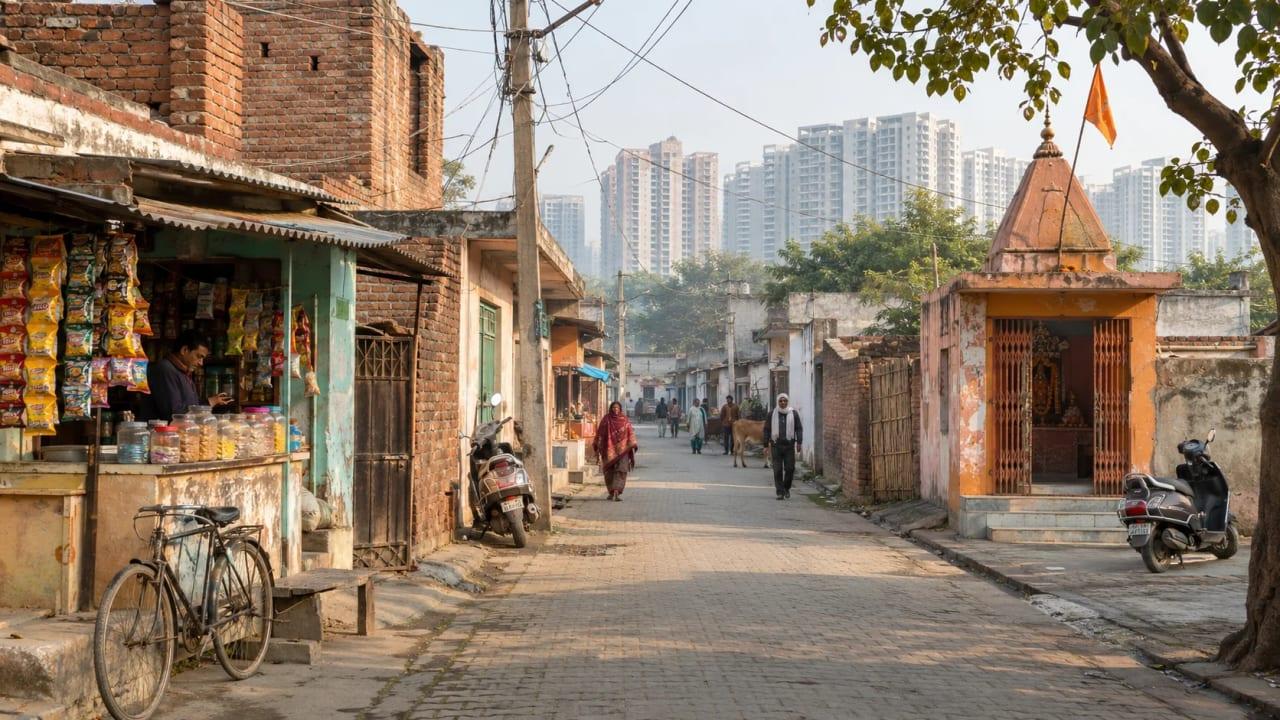
Bisrakh, also called Bisrakh Jalalpur, is situated in Gautam Buddha Nagar district of Uttar Pradesh, in the Greater Noida West region.
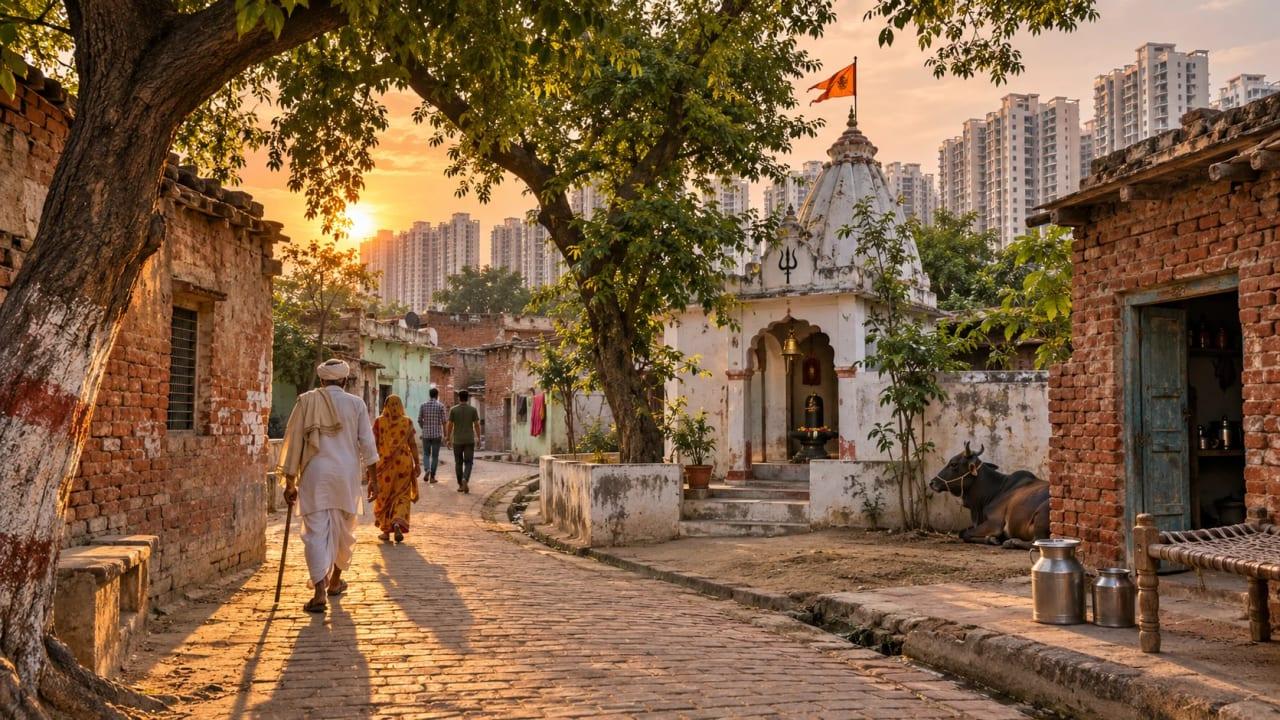
Today, the area is surrounded by apartment complexes, developing roads and modern residential neighbourhoods. But behind this rapidly changing landscape survives a village with an identity tied to one of the most complicated characters in Indian mythology.
Its unusual tradition is not simply about worshipping Ravana. It is about a community remembering him differently.
In Bisrakh, the familiar story of good defeating evil exists alongside another story: that of a son, a scholar, a Shiva devotee and a figure whose death is still treated with sorrow by some villagers.
And the explanation begins with his father.
The Name Bisrakh Hides Its First Clue
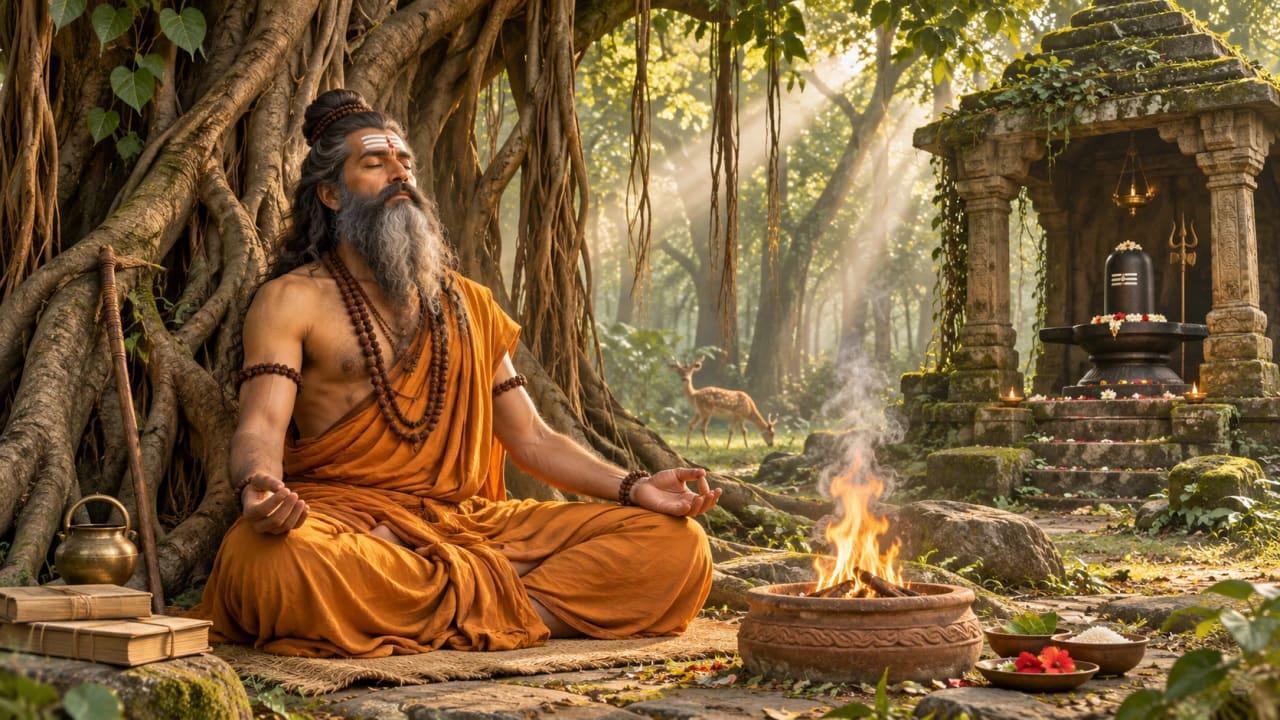
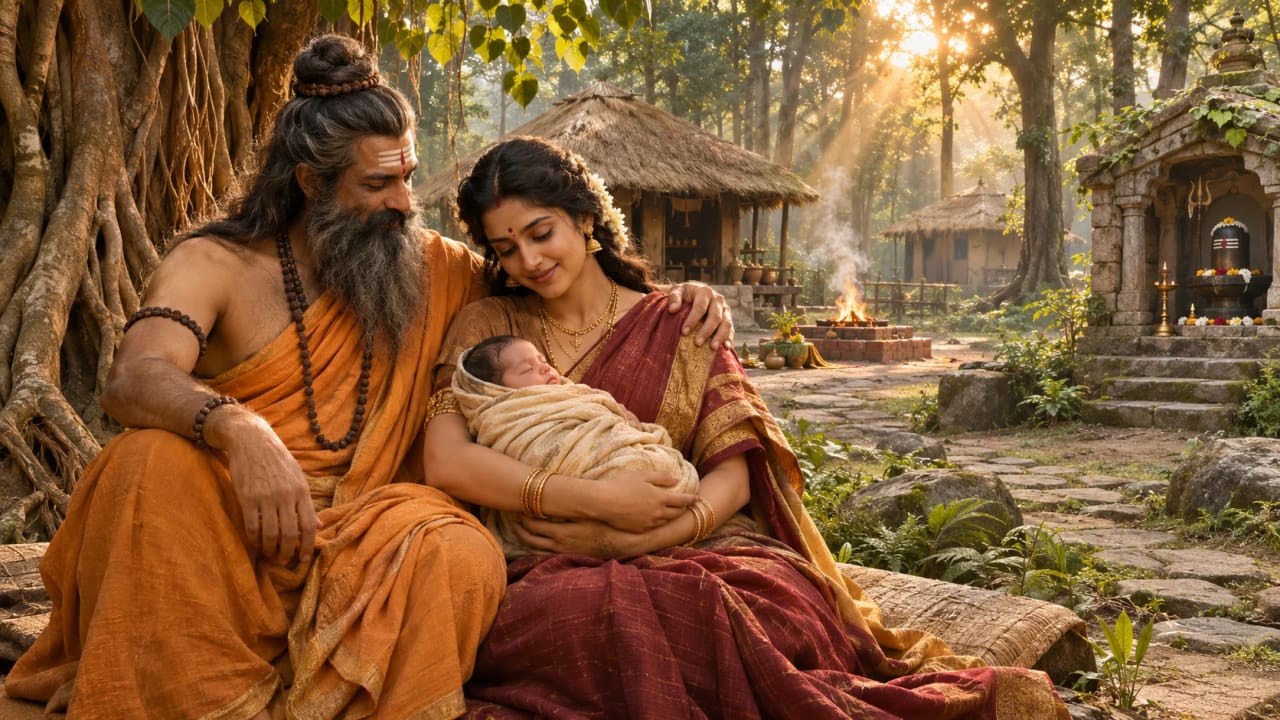
According to local tradition, Bisrakh derives its name from Rishi Vishrava, the father of Ravana.
In the Ramayana tradition, Vishrava was a learned sage, the son of Rishi Pulastya, who was counted among the great ancient sages. Ravana, Kumbhakarna, Vibhishana and Shurpanakha are associated with Vishrava and Kaikesi.
Villagers believe that Vishrava lived and meditated in this region and that Ravana was born here.
Some accounts extend the claim to Ravana's siblings, suggesting that Bisrakh was once connected to the childhood of the family that would later become central to the story of Lanka.
But here is the important distinction: Bisrakh's identification as Ravana's birthplace is a local religious tradition, not an independently established historical fact.
There is no securely dated archaeological evidence proving that Ravana was born in the village. Yet the belief has survived through generations, shaping how its residents understand their heritage.
And sometimes, a belief that survives for centuries becomes a mystery worth investigating in its own right.
Why Is Diwali Not Celebrated in Bisrakh?
This is perhaps the most misunderstood part of Bisrakh's story.
You may have heard that Bisrakh is a village where Diwali is never celebrated. The reality is a little more complicated.
The strongest and most consistently documented tradition concerns Dussehra, not Diwali.
Across much of India, Dussehra commemorates Lord Rama's victory over Ravana. In Bisrakh, however, Ravana is considered a member of the village's own heritage. Burning his effigy would therefore feel, to many residents, like celebrating the death of someone from their own family.
Instead, some residents traditionally observe mourning, offer prayers, perform havans and remember Ravana's qualities as a scholar and devotee.
Diwali has also historically been observed more quietly in parts of the village, according to travel accounts. However, it would be inaccurate to say that nobody in Bisrakh lights lamps or celebrates Hindu festivals.
In fact, during the Ayodhya Ram Temple bhoomi pujan in August 2020, residents of Bisrakh organised bhajans, kirtans and a deepotsav, lighting lamps to mark the occasion.
The village's relationship with Ravana does not necessarily mean opposition to Rama. Its traditions are more layered than that.
Perhaps the more interesting question is not why Bisrakh refuses to celebrate a festival, but why it refuses to forget a particular person.
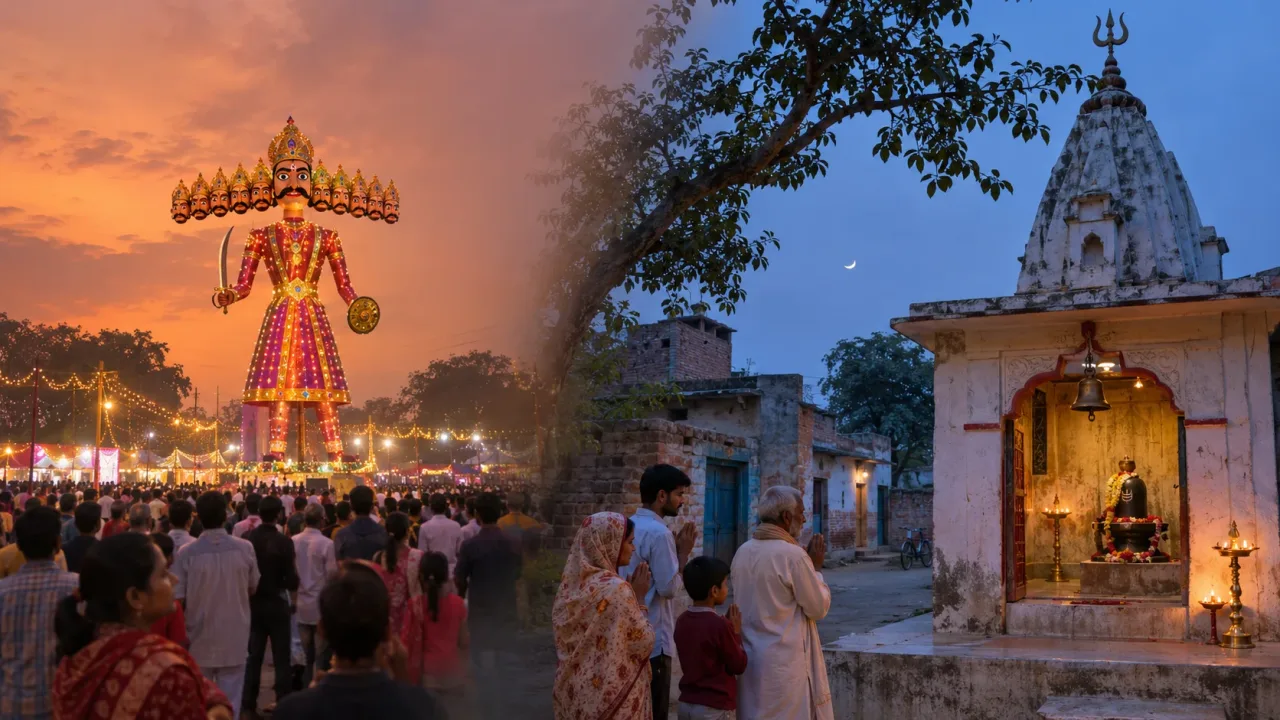
The Ramlila Curse: What Happened When Villagers Tried to Burn Ravana?
Now comes the story that gives Bisrakh its distinctly mysterious reputation.
According to accounts shared by villagers, attempts were made in the past to organise Ramlila or celebrate Dussehra in the usual way.
But those attempts, local residents claim, were followed by misfortune.
Some accounts speak of young men dying after Ramlila performances. Others describe serious illness or disturbing incidents following attempts to burn Ravana's effigy.
In a 2016 report by The Indian Express, the village head recalled two Ramlila celebrations decades earlier, both allegedly followed by the death of a village youth.
These stories became warnings passed from one generation to another.
The message was simple: do not burn Ravana in Bisrakh.
But did the incidents actually happen as described? And if they did, were they connected to the performances?
There is no reliable evidence establishing a supernatural cause. The alleged connection remains a matter of local folklore, not proven history.
Still, the story reveals something fascinating about Bisrakh. Its traditions are preserved not only through devotion, but also through caution, memory and fear of disturbing an ancestral belief.
And at the centre of these stories stands a temple.
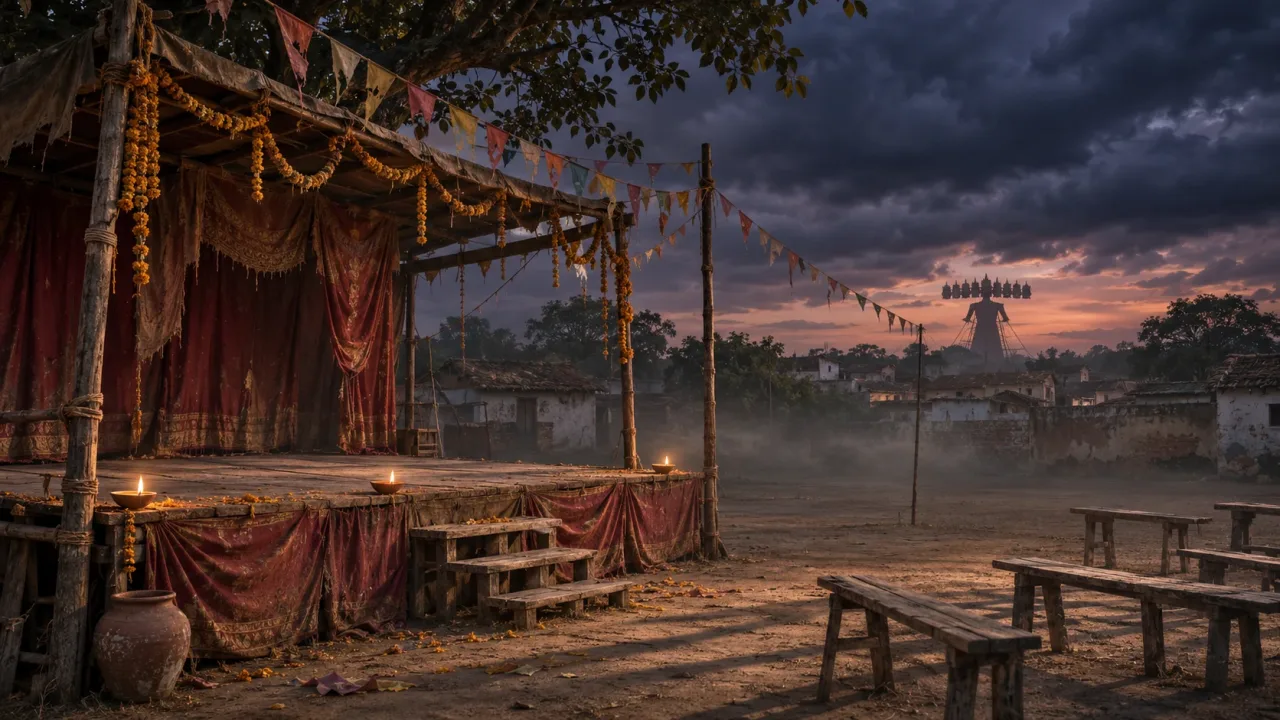
The Ravana Temple: A Shrine That Is Really About Shiva
The temple commonly called Ravana Mandir or Ravana Temple is one of Bisrakh's most important religious landmarks.
But visitors expecting a temple devoted exclusively to a giant ten-headed idol may be surprised.
The central sacred object is a Shivling, associated by local tradition with Rishi Vishrava.
According to the legend, Vishrava discovered a Shivling in a forested area and established a place of worship around it. It is believed that both Vishrava and Ravana worshipped Lord Shiva here.
How is it so far?
Vote with other readers
This is why the temple's identity is so interesting. Although it is popularly called Ravana Temple, its spiritual foundation is rooted in Shiva worship.
The Shivling is regarded by devotees as swayambhu, or self-manifested. Some villagers also believe it extends extraordinarily deep beneath the ground, with no one knowing its true depth.
That last detail is a traditional belief, not a verified geological measurement.
The temple's present appearance reflects changes and additions over time. Although its sacred origins are described as ancient, the precise construction date of the original shrine has not been conclusively established.
Modern reports describe carvings depicting episodes associated with Ravana, along with shrines and images of several Hindu deities.
And the temple continues to change.
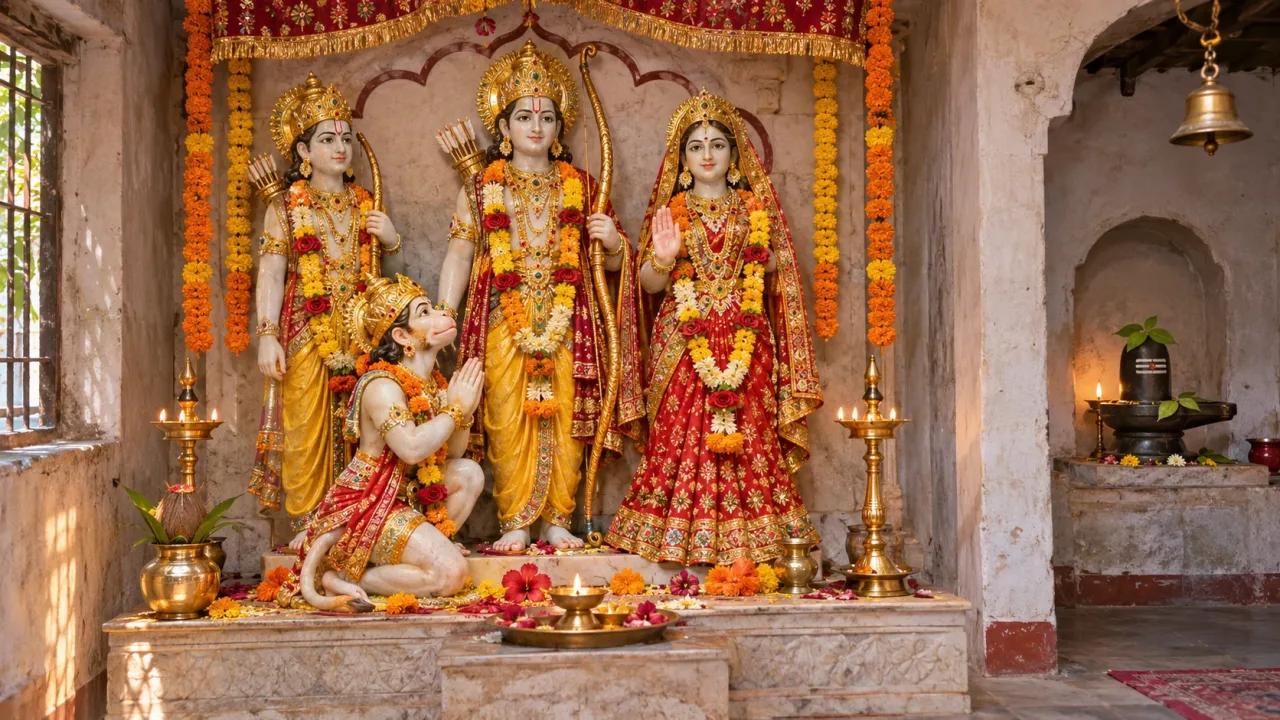
In January 2024, idols of Rama, Sita, Lakshmana and Hanuman were installed in a Ram Darbar within the complex, on the occasion of the Ram Mandir consecration in Ayodhya.
In 2025, local temple authorities also reported the installation of a Ravana idol during Shravan.
A temple connected to Ravana that also welcomes Rama is perhaps one of the most revealing features of Bisrakh: the village's faith is not quite as divided as its reputation might suggest.
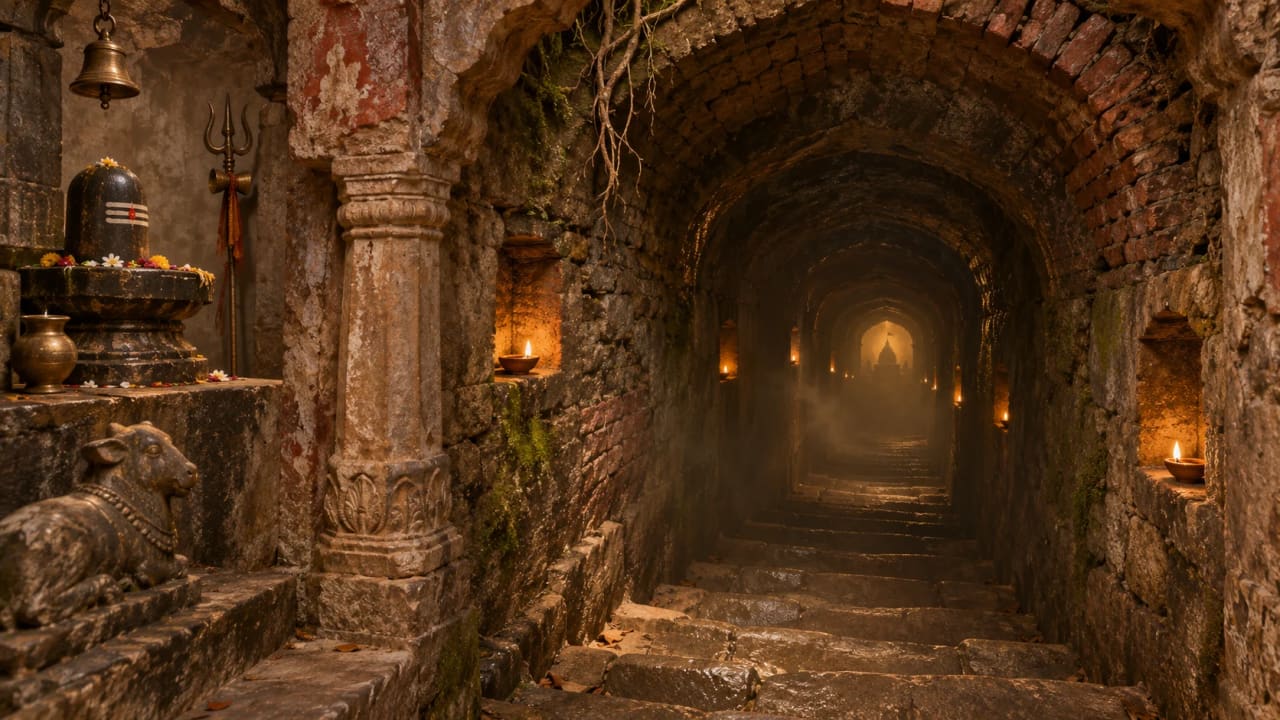
The Secret Tunnel to Dudheshwar Temple: A Passage Beneath the Village?
And now we reach one of Bisrakh's most intriguing mysteries.
According to local stories, an underground passage once connected the Ravana Temple in Bisrakh to Shri Dudheshwar Nath Mahadev Temple in Ghaziabad.
Yes, an underground passage between two Shiva temples in different towns.
The legend suggests that Ravana used this route to travel between the sacred sites. A villager interviewed in a 2025 news report described what is now said to resemble a locked room with stairs, while elders maintain that the passage once extended towards Dudheshwar.
Imagine standing before a closed stairway and being told that it once led to a temple kilometres away.
Naturally, the questions begin.
Who constructed it? How far did it extend? Was it intended for religious travel, protection or something else entirely?
And, most importantly, does it really connect to Ghaziabad?
For now, there is no publicly established archaeological survey confirming a continuous underground tunnel between
But the association with Dudheshwar is not entirely random.
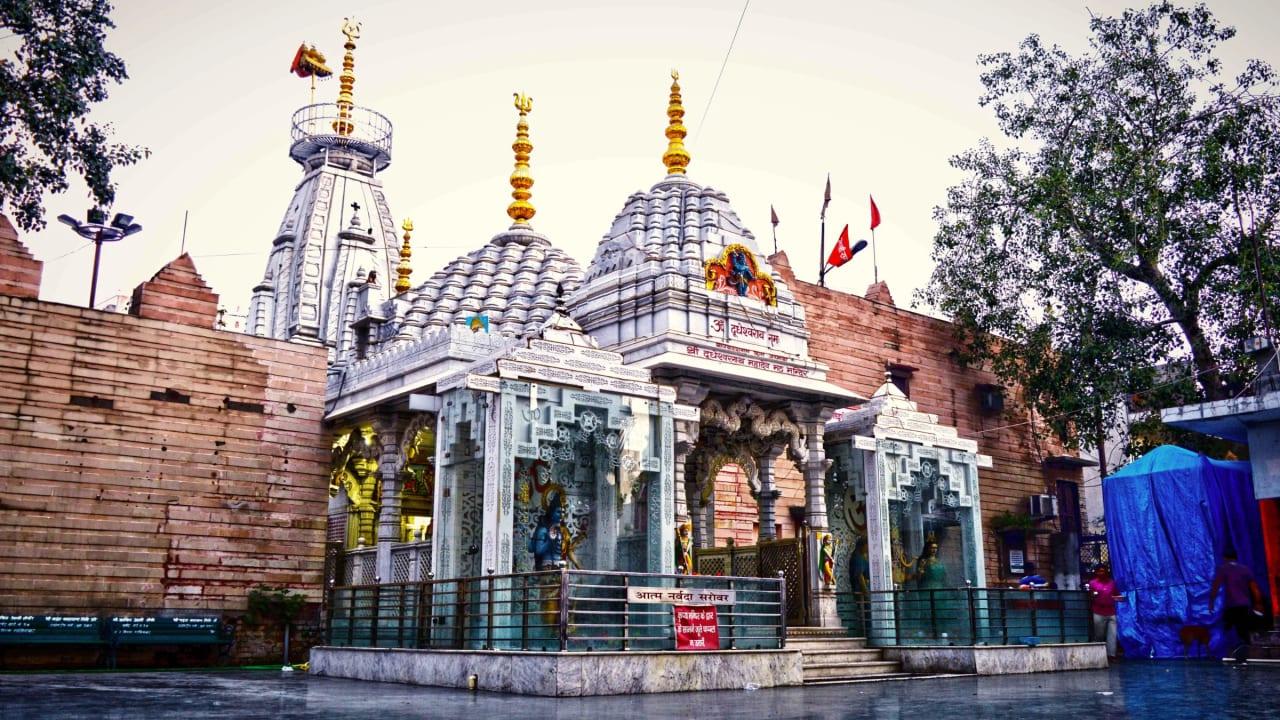
The Dudheshwar Nath Mahadev Temple has its own traditions connecting it to the age of Ravana and the ancient sages of this region. It is also associated with a legend in which a cow mysteriously offered milk at the sacred site, giving rise to the name Dudheshwar.
Two Shiva temples, both surrounded by stories of ancient worship, connected by a passage nobody has conclusively traced.
Coincidence? Possibly.
A forgotten piece of local history? That would require evidence.
A fascinating mystery? Absolutely.
The Cave, Coins and Strange Discoveries Beneath Bisrakh
The tunnel is not the only underground mystery associated with the village.
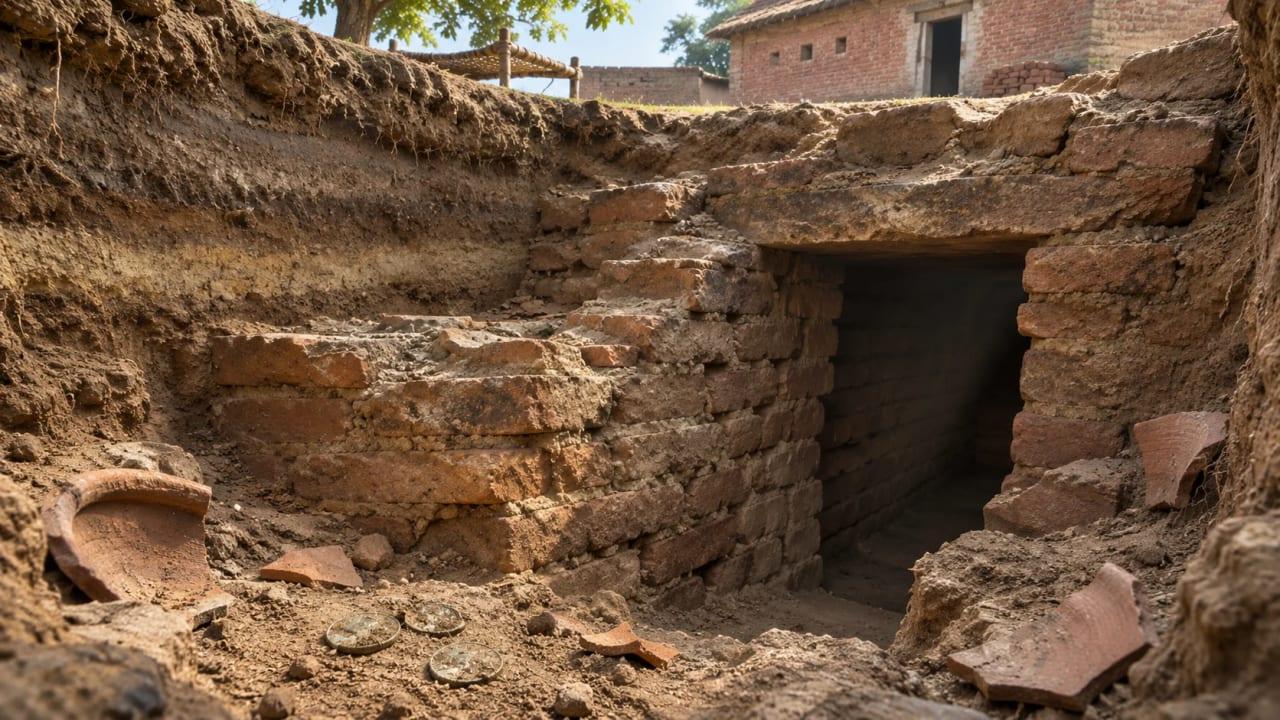
Reports about Bisrakh mention discoveries of old bricks, coins, relics and a cave during excavation activity.
A 2022 report in Dainik Jagran described a cave found during digging that reportedly ended near nearby ruins. The report also said excavation was stopped.
Separately, a submission included in National Capital Region Planning Board records referred to archaeological finds at the Shiva temple site, including bricks, metal coins and a cave.
However, these reports do not provide enough published archaeological detail to establish their precise age, purpose or relationship to the Ramayana. Nor do they prove that the cave was part of the supposed tunnel to Ghaziabad.
That distinction matters.
Finding an old cave or coins may point towards an interesting history of settlement and religious activity. But identifying them as objects from Ravana's lifetime would require evidence that has not been demonstrated.
The real archaeological question is therefore just as exciting as the legend: what did people build and use this site for during its documented past?
The Shivling That Has No End
Another unusual story concerns the Shivling inside Bisrakh's temple.
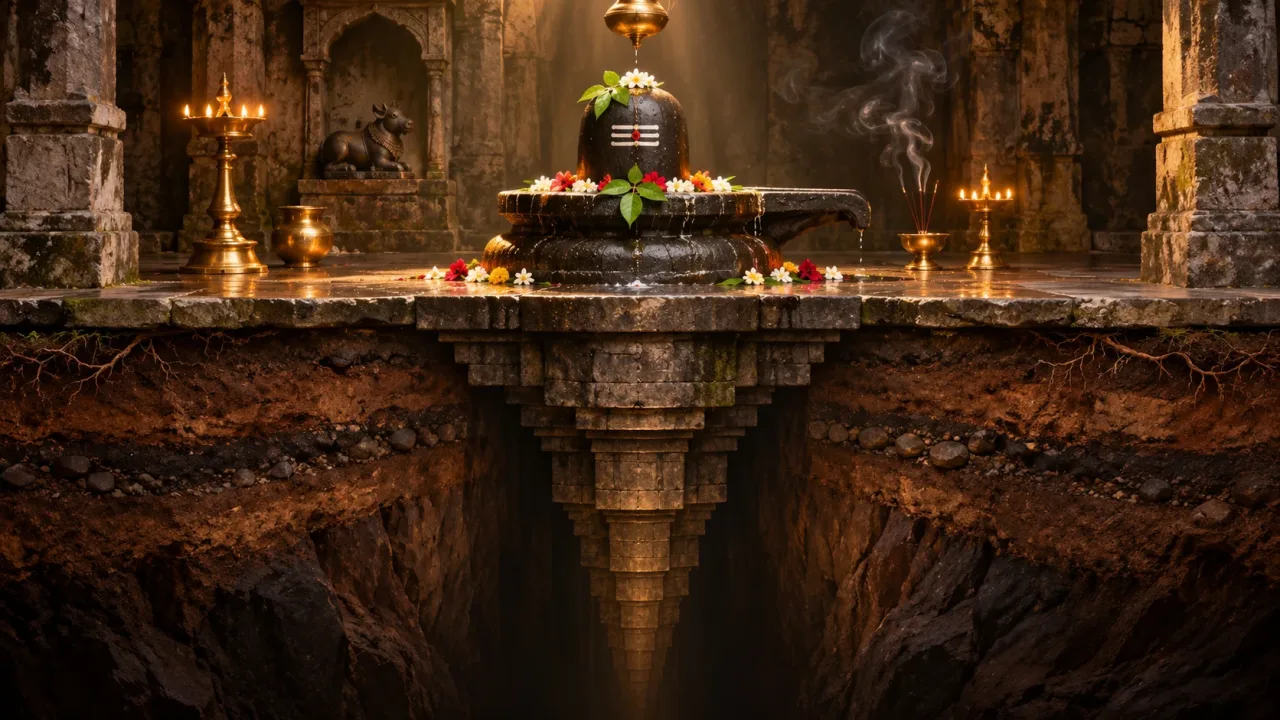
Local devotees believe it extends far beneath the ground, and some describe its depth as almost impossible to determine.
The Shivling is also sometimes described as octagonal, an unusual detail that has attracted attention in accounts of the temple.
A heritage-related submission in regional planning records claimed that the visible Shivling rises roughly two and a half feet above the surface and extends approximately eight feet below it.
That claim is not the same as a published scientific measurement, but it offers a more specific version of the story than the popular belief that its depth is endless.
The mystery is not necessarily whether the Shivling literally has no end.
It is how old the object is, when it was installed, and how its association with Vishrava developed.
Those questions may be less supernatural, but they are no less interesting.
The Other Secret of Bisrakh: Ravana Is Not Always the Villain
Perhaps the village's most surprising mystery is not hidden underground.
It is hidden in the way people remember a character.
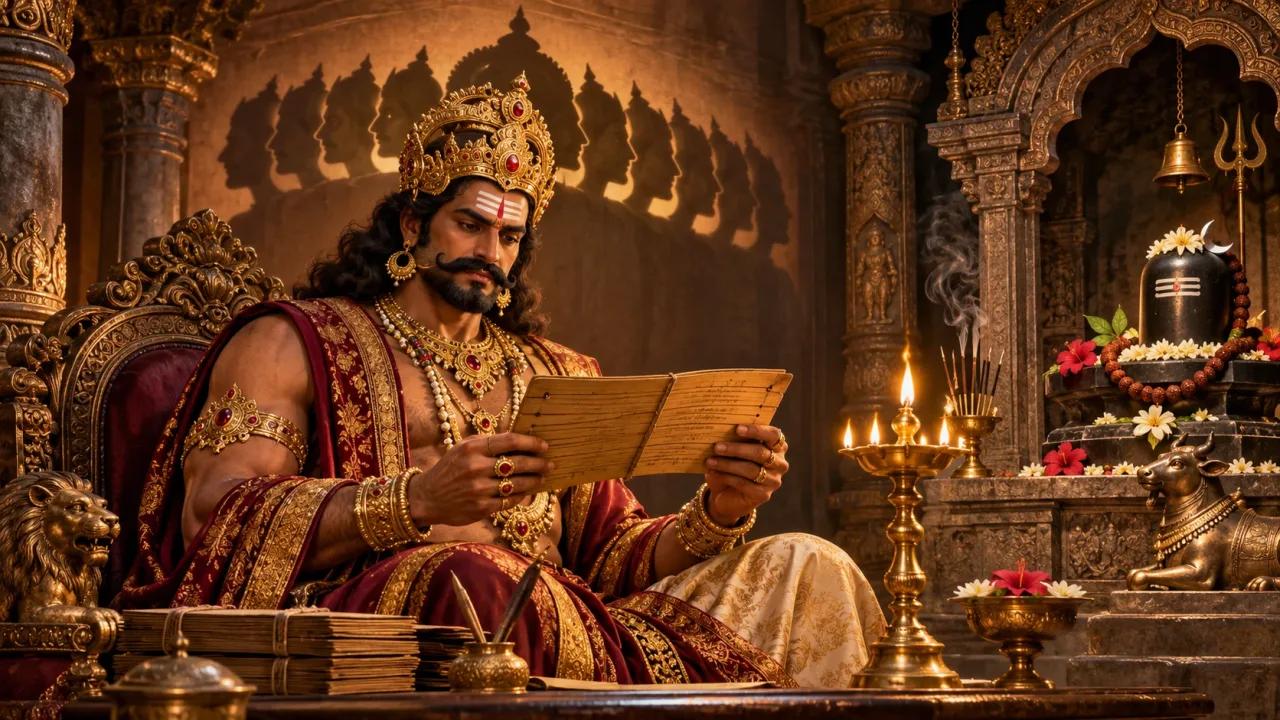
In the Ramayana, Ravana is a powerful king whose actions, especially the abduction of Sita, lead to a devastating war and his eventual defeat.
But Hindu literary and religious traditions also describe him as exceptionally learned, a formidable ruler and a devotee of Lord Shiva.
Bisrakh places particular emphasis on those qualities.
This does not mean everyone in the village interprets Ravana in exactly the same way. Nor does it mean that devotion to Ravana requires rejecting Lord Rama.
In fact, the installation of the Ram Darbar in 2024 illustrates how these traditions can coexist.
There is another revealing detail. A 2016 investigation by The Indian Express found that some residents were concerned about exaggerated stories being attached to ordinary buildings and families. One villager specifically challenged claims that a local haveli belonged to Ravana.
Even in a village famous for legends, some residents want to distinguish inherited belief from newly invented stories.
And perhaps that is a good thing.
Because a mystery becomes much more interesting when we are willing to ask whether it is true.
Visiting Bisrakh: Where to Find the Temples
For anyone curious about the village, the main religious landmark is the Shiva temple popularly known as Ravana Mandir, in Bisrakh Jalalpur, Greater Noida West.
The other temple connected to its underground-passage legend is Dudheshwar Nath Mahadev Temple in Ghaziabad. Both can be visited independently by road, but the alleged underground route is not a verified or accessible visitor passage.
The two places to explore are Ravan Mandir in Bisrakh and Shri Dudheshwar Nath Mahadev Temple in Ghaziabad.
The approach to the Bisrakh temple can involve narrow village lanes, and visitors have reported poor signage and road conditions. Daytime visits are preferable, especially for first-time visitors.
So, Is Bisrakh Really Ravana's Birthplace?
That is the question that follows every story about the village.
The people of Bisrakh have preserved a tradition that identifies their home as the birthplace of Ravana. Their temples, festival customs, stories and collective memories all reflect that connection.
But history and faith answer different questions.
Faith explains why the villagers honour Ravana and why his death carries emotional meaning for some families.
History asks for independently dated evidence, inscriptions, archaeological records and reliable documentation.
At present, the village's claim remains a matter of tradition rather than a proven historical conclusion.
And that is what makes Bisrakh worth understanding.
It is not simply a village that refuses to burn Ravana. It is a place where a familiar epic is remembered from an unusual perspective, where an ancient-looking Shivling is surrounded by unanswered questions, where villagers speak of a hidden passage to Ghaziabad, and where modern buildings rise around stories that have survived for generations.
Perhaps the secret tunnel exists only in folklore. Perhaps future research will explain the caves and relics. Perhaps some of the village's stories will always remain impossible to verify.
But one thing is certain.
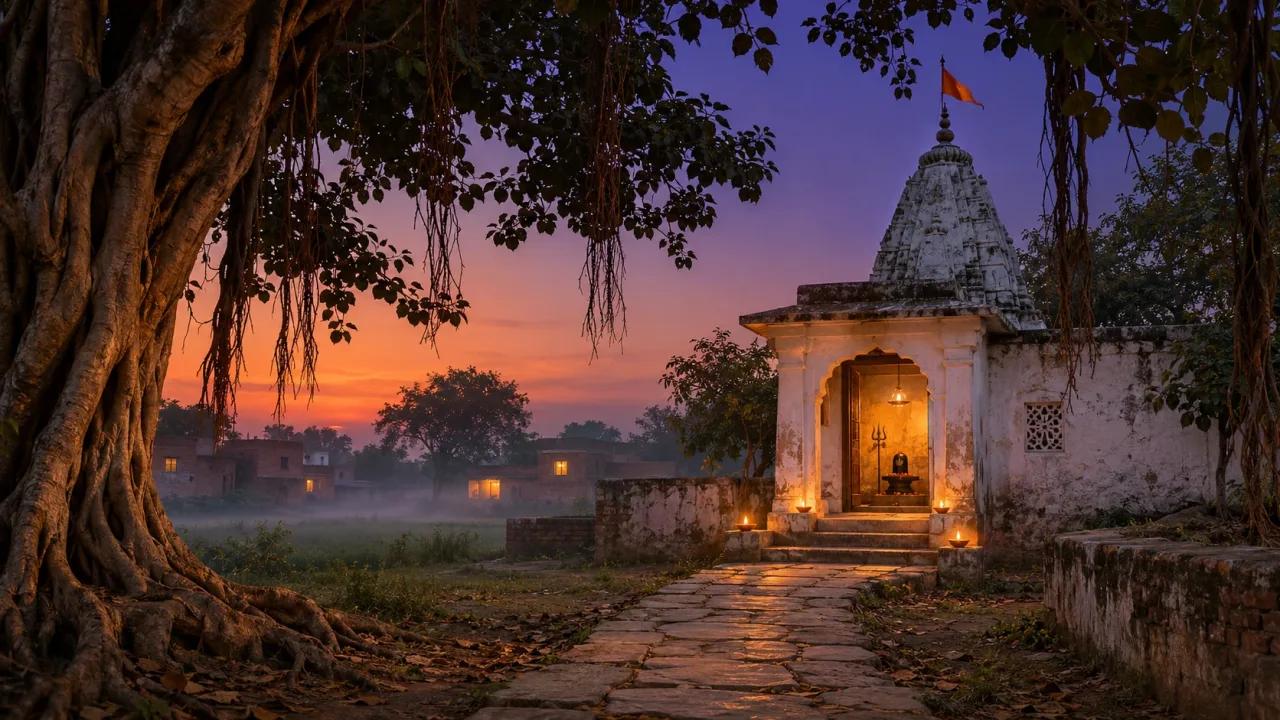
While much of India remembers the day Ravana was defeated, Bisrakh remembers the man its people believe was born there.
And sometimes, the most fascinating mystery is not what lies beneath the ground.
It is what survives in people's memories long after the world around them has changed.
Lock in the takeaway
Frequently asked questions
Where is Bisrakh village located?
Bisrakh, also known as Bisrakh Jalalpur, is located in Greater Noida West, Gautam Buddha Nagar district, Uttar Pradesh, near Delhi NCR.
Is Bisrakh really the birthplace of Ravana?
According to local tradition, Bisrakh is believed to be Ravana's birthplace. However, no conclusive archaeological evidence has established this claim as a historical fact.
Why is Diwali not celebrated in Bisrakh?
Bisrakh is often described as a village where Diwali is not celebrated because Ravana is considered a son of the village. However, customs vary among residents. The more firmly documented tradition is avoiding Ravana effigy-burning during Dussehra.
Why is Ravana not burned during Dussehra in Bisrakh?
Many villagers regard Ravana as part of their ancestral heritage and consider burning his effigy disrespectful. Some families traditionally observe prayers and remembrance instead.
Who was Rishi Vishrava, and how is he connected to Bisrakh?
Rishi Vishrava was Ravana's father according to Hindu mythology. Local tradition holds that he lived and worshipped Lord Shiva in the area, and that Bisrakh derives its name from Vishrava.
What is the history of Ravana Temple in Bisrakh?
The temple is primarily dedicated to Lord Shiva and contains a Shivling traditionally associated with Rishi Vishrava. Its origins are believed to be ancient, although the precise construction date has not been conclusively established.
Is there a secret tunnel from Bisrakh to Dudheshwar Temple?
Local folklore describes an underground passage connecting Bisrakh's Shiva temple to Dudheshwar Nath Mahadev Temple in Ghaziabad. However, no publicly verified archaeological evidence confirms that the tunnel exists as described.
What is mysterious about the Shivling in Bisrakh?
Devotees believe the Shivling extends unusually deep beneath the ground and is associated with Rishi Vishrava's worship. Its precise age and original installation history remain uncertain.
What is the Ramlila curse of Bisrakh?
According to local folklore, attempts to organise Ramlila in the village were followed by unfortunate incidents. These stories are part of the village's oral traditions, but there is no evidence establishing a supernatural cause.
Were ancient coins and underground caves discovered in Bisrakh?
Reports have mentioned discoveries of old bricks, coins and underground structures in the village. However, their exact age, archaeological significance and connection to Ravana have not been conclusively established.
Does Bisrakh worship Lord Rama as well as honour Ravana?
Yes. The village's respect for Ravana does not necessarily conflict with devotion to Lord Rama. A Ram Darbar featuring Rama, Sita, Lakshmana and Hanuman was installed at the temple complex in 2024.
Can tourists visit Ravana Temple in Bisrakh?
Yes. Visitors can explore the Shiva temple in Bisrakh Jalalpur, Greater Noida West. It is advisable to confirm local visiting arrangements before travelling, particularly during festivals.